

• 232 NE Middlefield Rd, Portland, OR 97211

Diesel Fuel Quality

A diesel fuel’s cetane rating tells you the ignition quality of the solution — the higher the cetane rating, the easier commercial trucks can start cold. Choosing 1-D fuel gives you more cetane within the mixture, which ends up leaving less room for wear and tear on engine batteries.

Close-up of golden liquid waves symbolizing fuel energy in motion
Oregon Dyed Diesel Laws: Who Can Use It? 1024 585 Star Oilco

Oregon Dyed Diesel Laws: Who Can Use It?

If you run construction equipment, generators, farm machinery, pumps, or other diesel-powered equipment in Oregon, you may be able to use dyed diesel.

You may also hear it called off-road diesel or red diesel.

The important thing to understand is that dyed diesel is not meant for just any diesel-powered vehicle. Whether you can legally use it depends on where and how the fuel is being used.

In Oregon, diesel used to power vehicles traveling on public roads is generally subject to fuel taxes. Dyed diesel is intended for qualifying off-road and other nontaxable uses.

What Is Dyed Diesel?

Dyed diesel is diesel fuel that contains a red dye to identify it as fuel intended for qualifying nontaxable uses.

The red color does not mean the fuel is completely different from regular diesel. The dye is there so regulators can tell the difference between fuel sold for qualifying off-road use and clear diesel intended for highway vehicles.

You may also hear dyed diesel called:

  • Red diesel
  • Off-road diesel
  • Dyed off-road diesel
  • Dyed fuel
  • Non-highway diesel
Hawthorne Bridge over the Willamette River in Portland, Oregon

For Oregon businesses, the most important question is not simply what kind of equipment you own. What matters is how that equipment is being used.

Why Is Dyed Diesel Red?

The red dye makes the fuel easy to identify.

Federal fuel-tax rules require qualifying untaxed diesel to contain dye so regulators can distinguish it from fuel intended for taxable highway use. That is why using dyed diesel in a highway vehicle is not simply a matter of trying to save money on fuel.

If fuel is inspected, the red dye can show that dyed diesel was placed in a vehicle or tank where it may not legally belong.

Who Can Legally Use Dyed Diesel in Oregon?

Dyed diesel is commonly used in equipment that operates off public roads or is used for another qualifying nontaxable purpose.
Some of the most common examples include construction equipment, generators, agricultural machinery, industrial equipment, and other stationary diesel-powered equipment.

Stationary and backup generators are another common use for dyed diesel.

Examples include:

  • Emergency generators
  • Commercial backup generators
  • Construction-site generators
  • Temporary power systems
  • Data and communications facilities

Because generators use diesel to produce electricity rather than move a vehicle down a public road, they can generally qualify for dyed diesel.

Construction companies are some of the biggest users of dyed diesel.

Common equipment includes:

  • Excavators
  • Bulldozers
  • Loaders
  • Cranes
  • Pavers
  • Compressors
  • Skid steers
  • Trenchers
  • Other non-highway construction equipment

If the equipment is working on a jobsite and is not being used as a normal highway vehicle, dyed diesel may be the right fuel.

Star Oilco regularly provides diesel fueling for construction projects throughout the Portland area, including direct-to-equipment fueling and onsite fuel tanks.

Many types of farm equipment may also qualify for dyed diesel.

Examples include:

  • Tractors
  • Combines
  • Harvesting equipment
  • Irrigation equipment
  • Other agricultural machinery

Oregon also has specific rules for certain farm tractors and implements of husbandry that may occasionally travel on public roads.

If your farm equipment regularly travels on public roads, it is a good idea to check the current Oregon rules before deciding which fuel to use.

Many industrial businesses use diesel engines that never operate as normal highway vehicles.

Examples can include:

  • Pumps
  • Compressors
  • Stationary engines
  • Material-handling equipment
  • Industrial machinery
  • Certain yard equipment

These types of applications may be able to use dyed diesel when they meet the requirements for nontaxable use.

Diesel is also used for some heating systems and other stationary applications.

Again, the main issue is how the fuel is being used. Dyed diesel must be used for a qualifying purpose and should not be treated as a cheaper alternative to highway diesel.

Need Dyed Diesel for Your Equipment?

Whether you’re fueling construction equipment, generators, agricultural machinery, or industrial equipment, Star Oilco can deliver dyed diesel directly to your site or equipment.

What Happens If You Use Dyed Diesel Illegally?

Using dyed diesel for a taxable highway purpose can result in serious penalties.

Federal penalties for knowingly misusing dyed diesel can start at the greater of $1,000 or $10 per gallon of fuel involved, depending on the situation.

Additional taxes and penalties may also apply.

For a business, the potential savings from illegally using dyed diesel in highway vehicles are nowhere near worth the risk.

A good rule for your employees is simple:

Use dyed diesel in qualifying off-road equipment and clear diesel in vehicles that operate on public roads.

Businesses that use both types of fuel should also have a clear fueling process so employees know which fuel belongs in which piece of equipment.

This is one of the most common questions we hear

Can You Use Dyed Diesel in a Truck in Oregon?

The short answer is that you should not put dyed diesel into a normal truck that is being driven on public roads.

That includes work trucks.

Just because a pickup or service truck belongs to a construction company, farm, or industrial business does not automatically mean it can use dyed diesel.

A simple way to think about it is:

Excavator working on a construction site:

Dyed diesel may be appropriate.

Pickup truck driving employees to the construction site:

Highway diesel rules apply.

Stationary generator at the jobsite:

Dyed diesel may be appropriate.

Dump truck driving on Oregon public highways:

Highway diesel rules apply.

A construction company can easily need both dyed diesel and clear diesel on the same jobsite.

Can Equipment Using Dyed Diesel Ever Cross a Public Road?

Sometimes the answer is more complicated than a simple yes or no.

Certain pieces of equipment may occasionally cross or travel a short distance on a public road without being treated the same way as a normal highway vehicle.

Oregon has specific rules covering certain farm tractors and implements of husbandry that are only occasionally operated or moved over public highways.

That does not mean every piece of off-road equipment can travel on public roads while using dyed diesel.

If your equipment regularly operates on public roads, or you are not sure whether your situation qualifies, check with the Oregon Department of Transportation or a qualified tax professional before using dyed fuel.

Red dyed diesel fuel being poured into a clear sample container

Is Dyed Diesel Cheaper Than Clear Diesel in Oregon?

Usually, yes.

Dyed diesel is often less expensive because certain highway-related fuel taxes do not apply when the fuel is being used for a qualifying purpose.

The actual price difference will depend on current fuel prices, taxes, delivery location, fuel specifications, and the amount of fuel being delivered.

For companies that use large amounts of diesel in off-road equipment, the savings can add up quickly.

The important part is making sure the equipment actually qualifies for dyed diesel.

In the quest for a greener future, renewable diesel has firmly taken the lead. Its remarkable reduction in emissions, better fuel economy, and seamless integration into existing diesel infrastructure make it the go-to choice for heavy-duty truck operators. While standard biodiesel has made commendable progress in reducing emissions, renewable diesel emerges as the winner in the arena of cleaner and more efficient fuels. 

The studies quoted in this blog are just the tip of the iceberg, illustrating the overwhelming evidence in favor of renewable diesel. As we move forward in our pursuit of sustainable transportation, it’s clear that renewable diesel will play a pivotal role in driving us toward a cleaner, more environmentally friendly tomorrow. 

Is Dyed Diesel the Same as Off-Road Diesel?

In everyday conversation, yes.

The terms dyed diesel, red diesel, and off-road diesel are commonly used to describe diesel fuel that has been dyed red and is intended for qualifying nontaxable uses.

That said, there can still be differences between the actual fuel products available.

Depending on your operation, you may need to think about:

  • Diesel grade
  • Biodiesel content
  • Renewable diesel content
  • Seasonal treatment
  • Cold-weather performance
  • Storage
  • Additives
  • Equipment requirements

If you are buying fuel in bulk, it is worth talking with your supplier about both the legal use of the fuel and the type of diesel that makes the most sense for your equipment.

Not Sure Which Diesel Product Is Right for Your Operation?

Talk with Star Oilco about your equipment, fuel usage, storage needs, and delivery options.

In the quest for a greener future, renewable diesel has firmly taken the lead. Its remarkable reduction in emissions, better fuel economy, and seamless integration into existing diesel infrastructure make it the go-to choice for heavy-duty truck operators. While standard biodiesel has made commendable progress in reducing emissions, renewable diesel emerges as the winner in the arena of cleaner and more efficient fuels. 

The studies quoted in this blog are just the tip of the iceberg, illustrating the overwhelming evidence in favor of renewable diesel. As we move forward in our pursuit of sustainable transportation, it’s clear that renewable diesel will play a pivotal role in driving us toward a cleaner, more environmentally friendly tomorrow. 

Do I Need a Permit to Buy Dyed Diesel in Oregon?

It depends on what your business is doing with the fuel.

Oregon has different fuel-tax rules for fuel users, sellers, dealers, distributors, and other businesses involved in the fuel supply chain.

A contractor buying dyed diesel for equipment at a jobsite is not necessarily subject to the same requirements as a company that distributes or resells fuel.

If you are unsure whether your business needs a license, registration, or specific tax reporting, check with the Oregon Department of Transportation Fuels Tax Group or your tax professional.

How Should Businesses Keep Dyed and Clear Diesel Separate?

If your company uses both highway vehicles and off-road equipment, it is important to keep your fueling process organized.

A few simple steps can help:

  • Clearly label dyed-diesel storage tanks
  • Clearly label pumps and dispensing equipment
  • Train employees on which equipment can use dyed diesel
  • Keep delivery and fueling records
  • Separate dyed and clear diesel tanks when possible
  • Limit access to onsite fuel
  • Work with a fuel supplier that understands commercial and construction fueling

These steps can help prevent accidental misfueling and make it easier for employees to know which fuel they should be using.

Dyed Diesel Delivery in Portland and Northwest Oregon

Star Oilco supplies businesses throughout the Portland metro area with dyed off-road diesel and commercial fuel delivery.

We fuel construction sites, generators, industrial equipment, and bulk fuel tanks. We also work with businesses that need both dyed diesel for equipment and clear diesel for highway vehicles.

If you need fuel delivered directly into your equipment or want an onsite fuel tank for an ongoing project, we can help set up a fueling plan that fits the way your operation works.

Need Dyed Diesel for Your Oregon Operation?

Not sure whether your equipment should be using dyed diesel or clear diesel? Talk with Star Oilco about what you are fueling, where the equipment operates, and how much diesel you use.

Common Questions About Dyed Diesel in Oregon

Yes, qualifying construction equipment operating off public roads can generally use dyed diesel. Excavators, loaders, generators, and similar jobsite equipment are common examples.

If the pickup is being driven on public roads, you generally should not use dyed diesel in it. A work truck is still a highway vehicle when it is traveling on public roads.

Yes. Stationary and backup generators are common uses for dyed diesel because the fuel is being used to produce power rather than propel a highway vehicle.

Yes, qualifying agricultural and off-road farm equipment can use dyed diesel. Some situations involving farm equipment traveling on public roads have additional rules, so it is worth checking current Oregon requirements if you are unsure.

No. In this context, red diesel is simply another common name for dyed diesel.

Often, but private property by itself is not the only thing that determines whether the fuel qualifies.

The type of equipment and how it is being used also matter. If a vehicle operates both on private property and public roads, it is a good idea to confirm the rules before using dyed diesel.

Sign up for our newsletter to stay up to date

Name(Required)

This page provides general information about dyed diesel and fuel-tax rules. It is not tax or legal advice. Rules can depend on the specific equipment and how it is being used. For questions about your specific situation, consult current Oregon Department of Transportation guidance, IRS guidance, or a qualified tax professional.


Excavator, bulldozer and dump truck at a construction site
Dyed Diesel for Construction Equipment 1024 576 Star Oilco

Dyed Diesel for Construction Equipment

Construction equipment burns a lot of diesel.

Excavators, loaders, dozers, generators, cranes, skid steers, and other heavy equipment can run for hours every day. If that equipment is operating off public roads, dyed diesel may be the right fuel for the job.

Also called off-road diesel or red diesel, dyed diesel is commonly used to fuel qualifying construction equipment because it is intended for off-road and other nontaxable uses.

For contractors, that can mean a more cost-effective way to keep equipment running without sending operators offsite to find fuel.

Star Oilco delivers dyed diesel directly to construction sites throughout the Portland area and Northwest Oregon.

What Is Dyed Diesel for Construction?

Dyed diesel is diesel fuel that contains a red dye identifying it for qualifying nontaxable uses.

On a construction site, it is commonly used in equipment that operates off public roads.

That can include:

Excavators | Bulldozers | Wheel loaders | Skid steers | Backhoes | Cranes | Pavers | Trenchers | Compactors | Compressors | Generators | Pumps | Other off-road construction equipment

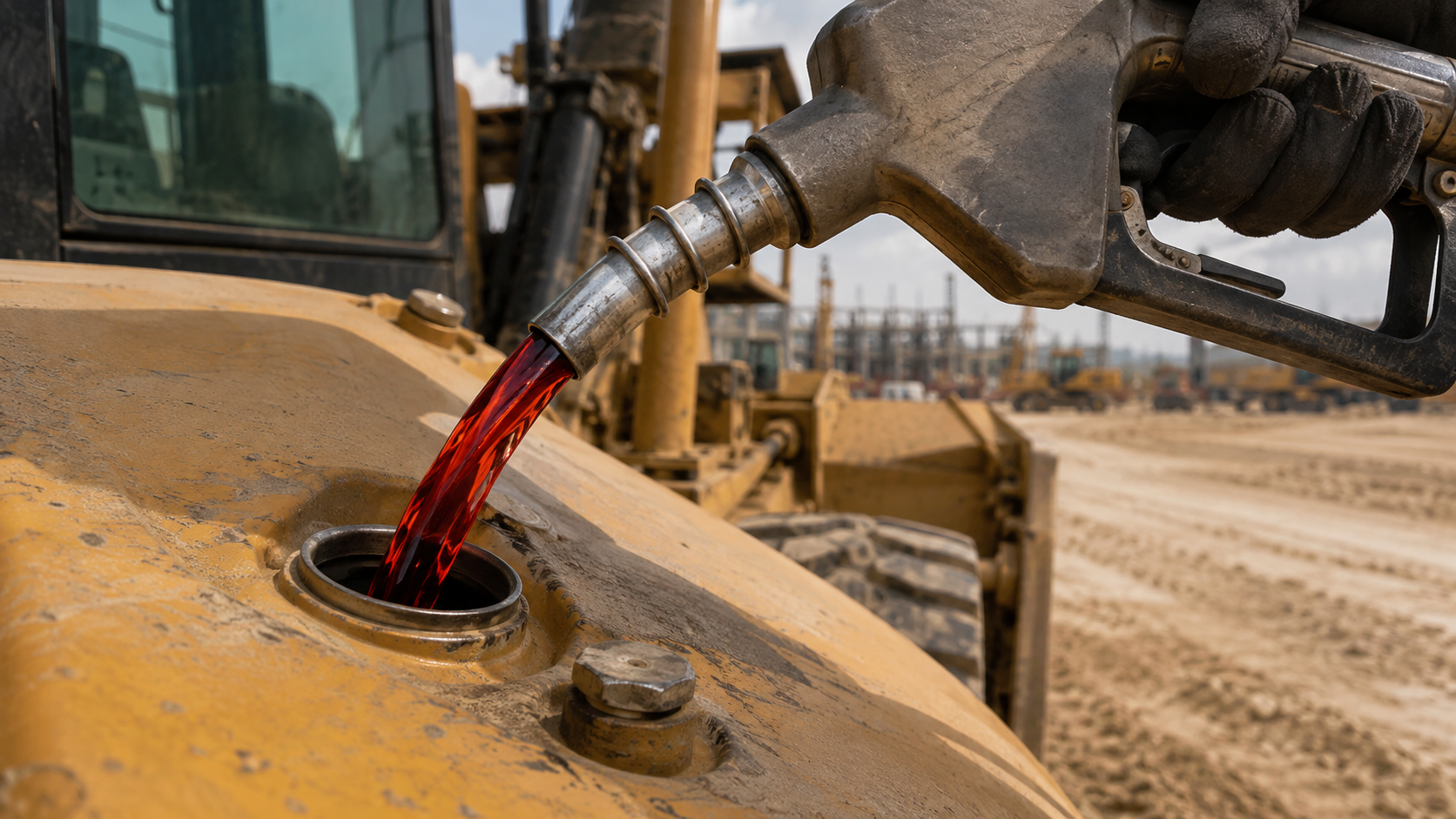
Red dyed diesel fuel pouring from a fuel nozzle

The fuel itself is dyed so it can be distinguished from clear diesel used in highway vehicles. For a contractor, the important question is not whether the equipment has a diesel engine. The important question is how that equipment is being used.

Can Dyed Diesel Be Delivered Directly to Construction Equipment?

Yes.

One option is direct-to-equipment fueling, sometimes called wet hosing. With this type of service, a fuel truck comes to the project and fuels equipment directly. Instead of operators bringing equipment to the fuel, the fuel comes to the equipment. This can work well for projects with multiple machines spread around a site or equipment that is difficult to move.

Depending on the project schedule, fueling can also be coordinated around shifts so equipment is ready when crews arrive.

Red dyed diesel being pumped into heavy construction equipment

What Construction Equipment Can Use Dyed Diesel?

Many pieces of heavy equipment spend their entire working life on jobsites rather than public highways. Those are the types of machines where dyed diesel is commonly used.

An excavator digging foundations, a loader moving material around a site, or a generator supplying temporary power are all typical examples.

Equipment that regularly travels on public roads is different.

For example:

Excavator working on the jobsite: Dyed diesel may be appropriate.

Skid steer working around the site: Dyed diesel may be appropriate.

Generator powering the project: Dyed diesel may be appropriate.

Pickup truck driving employees to the project: Clear highway diesel should be used.

Dump truck traveling public roads: Highway fuel rules apply.

It is common for a construction company to need both dyed diesel and clear diesel on the same project.

Excavator and heavy construction equipment working on a jobsite where dyed diesel may be used

Why Do Contractors Use Dyed Diesel?

There are a few reasons dyed diesel makes sense for qualifying construction equipment.

Lower Fuel Cost

Dyed diesel is generally less expensive than highway diesel because certain highway-related fuel taxes do not apply when the fuel is used for a qualifying purpose.

When a project is running several pieces of heavy equipment every day, even a relatively small difference in fuel cost can become meaningful.

Convenient Onsite Fueling

Fueling heavy equipment at a gas station is usually not practical.

Instead, dyed diesel can be delivered directly to the jobsite.

That allows contractors to keep fuel where the equipment is actually working.

Less Equipment Downtime

Sending employees offsite for fuel takes time.

It can also mean transporting fuel in smaller quantities, coordinating drivers, and interrupting work during the day.

Having fuel delivered to the site helps keep equipment running and operators focused on the project.

Better Fuel Planning

Larger projects can burn through diesel quickly.

Scheduled fuel delivery makes it easier to plan around the amount of equipment running, expected hours of operation, and upcoming phases of the project.

Keep Your Jobsite Fueled and Moving

Avoid unnecessary fuel runs and equipment downtime with scheduled dyed diesel delivery directly to your construction site.

Can I Put a Dyed Diesel Tank on a Construction Site?

For many construction projects, an onsite fuel tank is the simplest option.

Instead of fueling every machine directly from a delivery truck, Star Oilco can deliver dyed diesel into a tank located at the project.

Your operators can then fuel equipment as needed.

An onsite tank can be especially useful when:

  • A project will run for several weeks or months
  • Multiple machines are using diesel every day
  • Equipment operates long shifts
  • The site is far from convenient fueling locations
  • Fuel needs to be available early in the morning or after normal business hours

The right tank size depends on how much fuel your equipment burns and how frequently you want deliveries.

Star Oilco can help determine what type of fueling setup makes sense for the project.

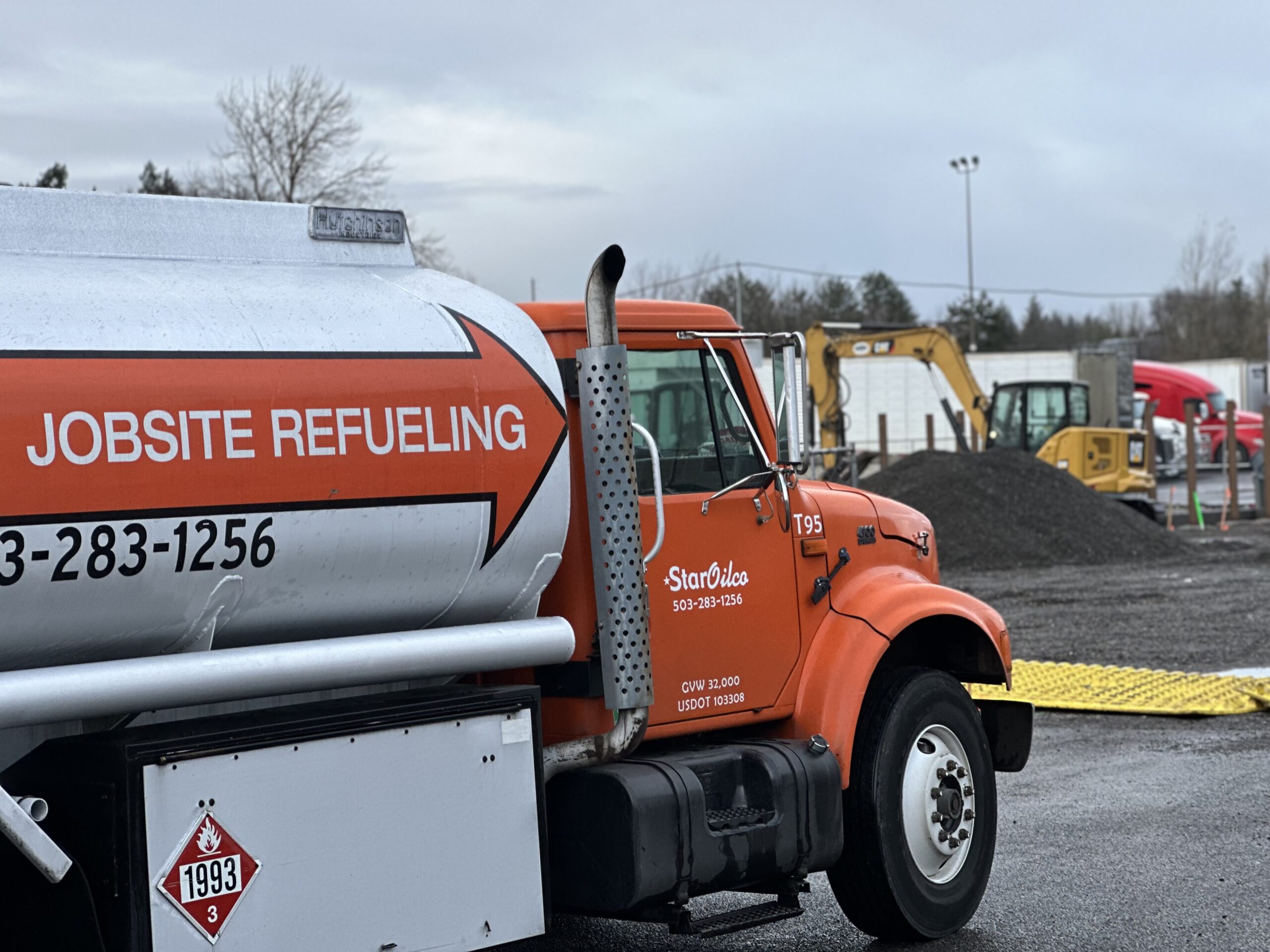
Star Oilco jobsite refueling truck at a construction site

contact us today to deliver on your site

How Much Dyed Diesel Does a Construction Site Need?

There is no single answer because every project is different.

A small excavation project with a skid steer and mini excavator may use a relatively modest amount of fuel.

A large site running excavators, loaders, dozers, generators, cranes, and other equipment can use hundreds or even thousands of gallons over the course of a project.

A useful way to estimate your fuel needs is to look at:

  • Number of diesel-powered machines
  • Equipment fuel tank sizes
  • Expected operating hours per day
  • Number of workdays per week
  • Generator runtime
  • Project duration
  • Expected changes in equipment during different project phases

If you are not sure how much fuel you will need, your fuel supplier can help estimate delivery volume and frequency.

Dyed Diesel Delivery vs. Fueling Equipment Yourself

Some contractors start a project by sending employees to pick up fuel in portable tanks.

That can work for a very small job, but it becomes inefficient as fuel usage increases.

Consider the time involved in:

  • Driving to get fuel
  • Waiting at a fueling location
  • Transporting the fuel back to the jobsite
  • Moving fuel around the site
  • Tracking who is responsible for refueling
  • Stopping equipment when fuel runs low

For larger projects, bulk delivery or direct-to-equipment fueling can remove much of that work.

The goal is simple. Keep the equipment operating and keep your employees working on the project instead of making fuel runs.

Spend Less Time Making Fuel Runs

Star Oilco can help keep your construction equipment fueled onsite so your crew can stay focused on the job.

Is Dyed Diesel Different From Regular Diesel?

The biggest visible difference is the red dye.

The dye identifies fuel intended for qualifying nontaxable use.

Federal fuel-tax rules provide for dyed diesel fuel used for qualifying nontaxable purposes.

There can also be different diesel products available depending on your project and equipment.

Star Oilco can supply construction projects with fuel options that include:

  • Dyed ULSD
  • Biodiesel blends
  • Dyed renewable diesel
  • Clear highway diesel
  • Gasoline
  • Other fuels required for specific project needs

The right product depends on your equipment, project requirements, and fuel specifications.

Can You Use Dyed Diesel in Construction Trucks?

This is an important distinction.

Just because a truck is owned by a construction company does not mean it can use dyed diesel.

Oregon treats diesel used to propel vehicles on public roads as taxable use fuel.

That means normal highway vehicles should not be filled with dyed diesel just because they are being used for construction work.

Examples include:

  • Pickup trucks
  • Service trucks
  • Delivery vehicles
  • Highway dump trucks
  • Other vehicles regularly driven on public roads

A construction site may therefore have dyed diesel for heavy equipment and clear diesel for highway vehicles.

If you are unsure which fuel belongs in a particular piece of equipment, check the current Oregon fuel rules before fueling it.

Direct-to-Equipment Fueling or Onsite Tank?

The best option depends on your project size, equipment, and fuel demand.

Direct-to-equipment fueling works well when machines are spread across the site or difficult to move. Onsite tanks are better for longer projects with steady fuel usage.

Star Oilco can help you choose the setup that keeps your equipment fueled with less downtime.

How Should You Store Dyed Diesel on a Construction Site?

Fuel storage should be planned before the tank arrives.

A jobsite fuel tank should be located where delivery trucks can safely access it and where equipment operators can fuel without interfering with normal site operations.

The exact requirements will depend on the tank, site, project, and applicable safety or environmental rules.

In general, contractors should think about:

  • Delivery truck access
  • Equipment access
  • Tank protection
  • Spill prevention
  • Fuel security
  • Clear labeling
  • Keeping dyed and clear diesel separate
  • Who is authorized to dispense fuel

A little planning at the beginning of a project can make fueling much easier for the rest of the job.

How Often Should a Construction Site Get Fuel Delivered?

Delivery frequency depends on how quickly the project uses fuel.

Some projects may only need occasional deliveries.

Busy jobsites may need fuel several times per week or on a regular scheduled route.

The best approach is to avoid running the tank too low before ordering fuel.

If your crew waits until the tank is nearly empty, a delayed delivery can quickly turn into equipment downtime.

Scheduled or keep-full delivery can make fuel management easier by maintaining fuel onsite based on the project’s expected usage.

What Happens If a Construction Project Runs Out of Diesel?

Running out of fuel can affect more than one machine.

If a loader, excavator, generator, or other important piece of equipment runs dry, other parts of the project can slow down while crews wait for fuel. That is why fuel planning should be treated like any other jobsite supply.

Contractors already schedule concrete, materials, equipment, dumpsters, and subcontractors.

Fuel should be planned the same way.

Knowing your average daily usage and setting a reorder point can help prevent unnecessary downtime.

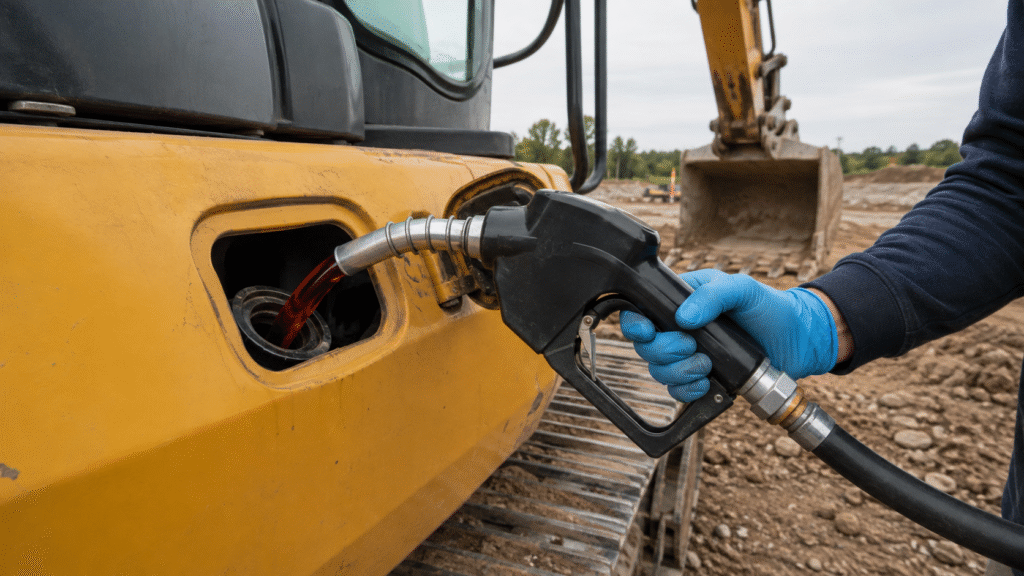
Worker refueling a yellow excavator with dyed diesel at a construction site

Dyed Diesel Delivery for Portland Construction Sites

Star Oilco provides construction fuel delivery throughout the Portland metro area and surrounding parts of Northwest Oregon. We can deliver dyed diesel directly to equipment or provide fuel for an onsite construction tank.

Depending on the project, we can help with:
Dyed diesel delivery | Direct-to-equipment fueling | Construction fuel tanks | Scheduled fuel delivery | Keep-full fueling | Clear diesel | Renewable diesel | Biodiesel blends | Generator fuel | Gasoline | DEF and other project fueling needs

Whether you are running one excavator or managing fuel for a large construction project, the goal is the same.

Keep your equipment fueled so your crews can keep working.

Need Dyed Diesel for a Construction Project?

Tell Star Oilco what equipment you are running, where the project is located, and approximately how much fuel you expect to use.

We can help determine whether direct fueling, an onsite tank, or scheduled bulk delivery makes the most sense for your project.

Call Star Oilco at 503-283-1256

Questions about whether a specific vehicle or piece of equipment qualifies for dyed diesel can depend on how it is being used. For questions about Oregon fuel-tax requirements, consult current Oregon Department of Transportation guidance or a qualified tax professional.
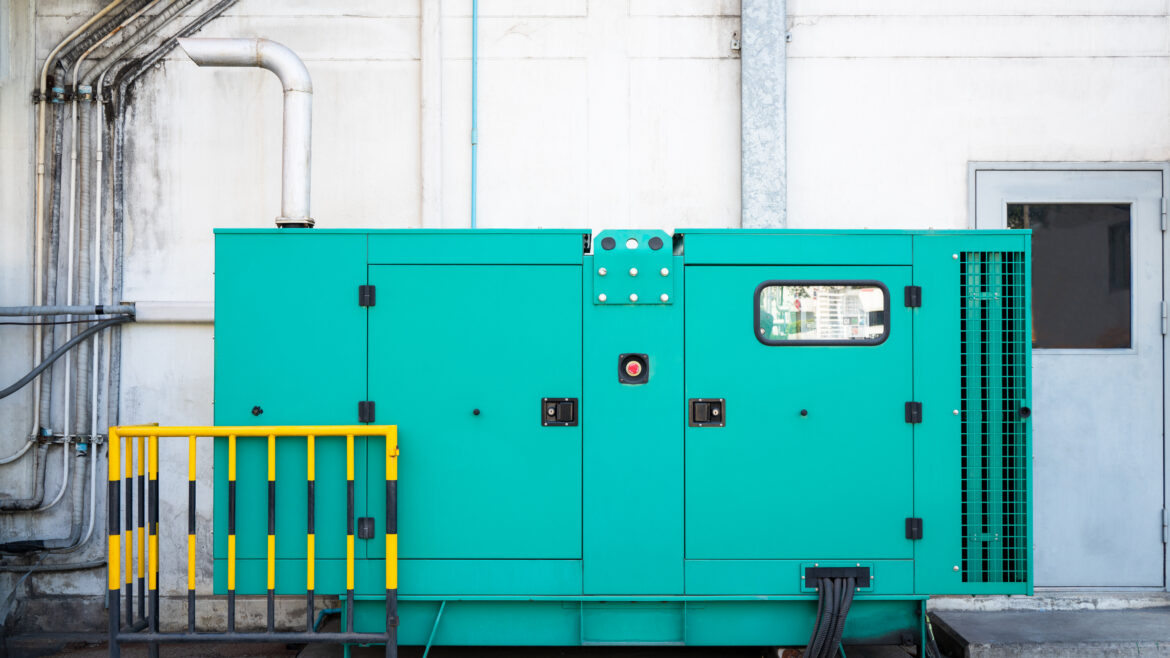
Industrial backup generator installed outside a commercial building
Emergency Back-up Diesel Fuel 1024 683 Star Oilco

Emergency Back-up Diesel Fuel

In an emergency, how often will your Emergency Back-up Diesel Fuel tank need to be filled?

We deliver dyed diesel seven days a week and will keep your equipment full for you.

Emergency Back-up diesel fuel delivered in Portland, Oregon

What is the condition of your Emergency Back-up Diesel Fuel in your generator tank?
When the Power goes out, we have diesel ready to keep your backup generator fueled.  We can also set up automatic fueling and DEF top off service with confirmation for your facility team’s needs. Whether you want long term stabilized diesel, dyed R99 renewable diesel, or B20 biodiesel blends we have you covered with your fuel specification needs.

Emergency Back-up diesel fuel tank avaialble.

Star Oilco has 250 gallon and 500 gallon tanks available to increase the onsite supply for an emergency back-up diesel need in the Pacific Northwest.

We have drivers on the road today with diesel.

When was the last time you had your generator filled with stabilized diesel?  We deliver off road diesel treated for long term storage.

Open an account with Star Oilco today and prepare for the next power outage.

Recent heat waves might have caused power outages.  Make sure your generators are full for this winter now.  With dynamic changes in the way power is used in the Pacific Northwest power outages have become more common than ever before.


Are you prepared for the next emergency?
Have you filled up since the last time?
Would you want to test your diesel fuel oxidative stability to make sure it is still good?

Keeping your back-up generator fueled could be the difference between an inconvenience and a disaster.  Stay ahead of the next emergency and re-fuel now.


Remember that ordering diesel for your generator is a specialized service, we will make it easy for you.

Getting the fuel for your generator or emergency equipment is only one part of the problem.  How you store it can be just as important.  This is why its important to work with a company that can help you.

You want to stabilize and treat your diesel for generators and other back up equipment.

Order fuel treated for long term storage!

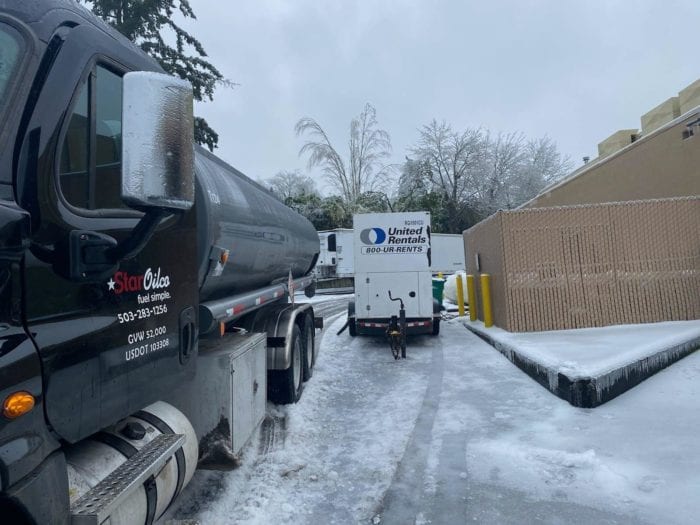
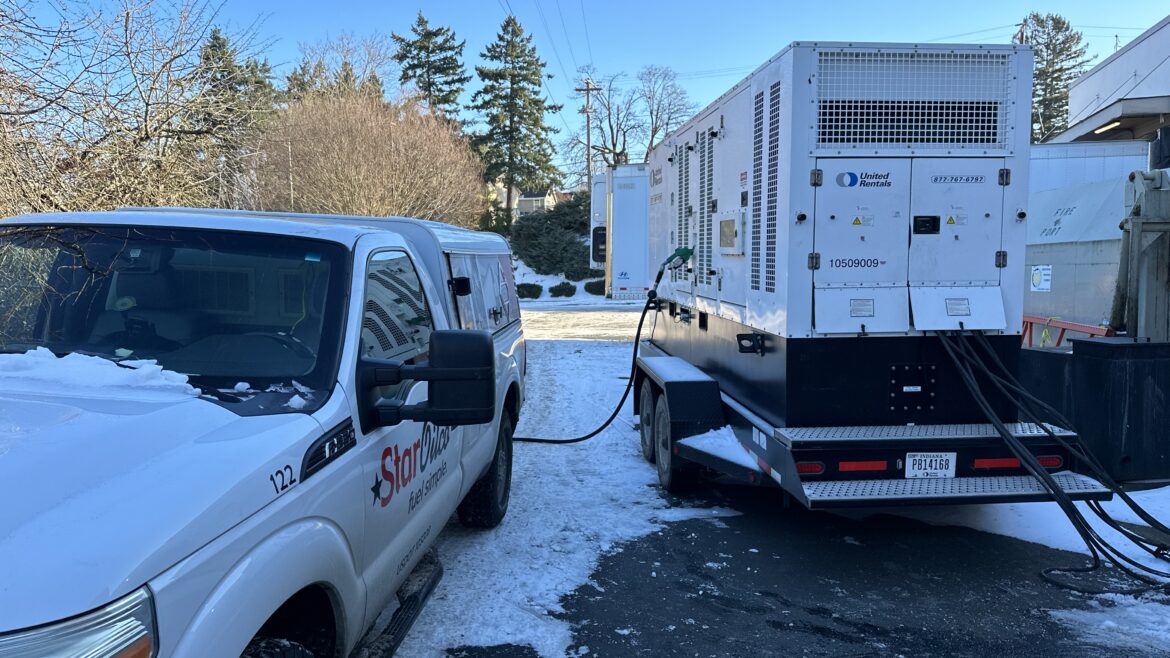
Star Oilco is an expert at fueling back-up generators, emergency water pumps, and other long term off-road diesel storage requirements. We understand, that in the Pacific Northwest, biodiesel blending is required by state laws. Biodiesel needs an extra layer of care when stored as a back-up diesel fuel.Filling a Generator in the Snow

Most off-road diesels and heating oils are ultra-low sulfur diesel containing at least 5% quantity of biodiesel.  This means long term storage requires a proactive approach.  You can’t just hope it works or wait to see if the fuel will burn after years of storage.

Emergency back-up generator diesel fuel is a specially treated oxidative stabilized off-road fuel designed to store for years.

Fueling a backup generator is a specialized product. The fueling service requires a vendor who understands your needs and keeps you up and running in an emergency.

Generators take off-road diesel, of course, but you want an ultra-low sulfur diesel to ensure it works with modern emission systems. Some companies deliver higher sulfur product that look the same but foul the emission systems of your equipment.

Beyond the service provided, you also want a vendor who offers a fuel stabilizer and biocide for the special long term storage needs of your backup generator. Star Oilco recommends you add a biocide and long-term storage stabilizer to your fuel to ensure it is good whenever you need it.

Use additives designed to prolong the life of your emergency diesel fuel.

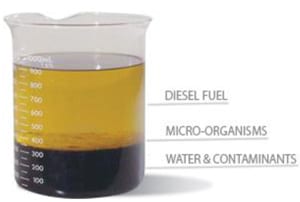
Biocides prevent the growth of biological activity in the tank. In scenarios where micro-organisms like algae, bacteria, yeasts, and other bugs are growing in your fuel, biocides kill this growth. It is still important to remove the residual grit and other contaminants that are the hallmark of bugs growing in your tank. Usually, turning over the fuel or using a filtration can remove this.

If your tank absolutely has to be clean, you can contract a tank professional to enter the tank and physically clean the tank bottom or reline the tank with either fiberglass or an epoxy resin. We use Valvtect Bioguard Plus 6 for generators, emergency water pumps, backup boiler fuel, and other long term storage purposes. This product kills any existing biological growth and stabilizes your fresh diesel fuel for long term storage. Make sure your diesel is ready the next time you need backup power.

Water in diesel destroys fuel quality rapidly.

Check your tank for water every fall and spring.

Pumping the tank bottom removes water if it ever finds its way into your storage tank. Additionally, you want to put in an absorbent material designed to absorb water and not fuel. If your long-term storage tank has water and you are not planning to burn 100% of the fuel in the near future, DO NOT add anything that removes water by distributing into the fuel. Adding a “fuel drier” that actually pushes the water into solution with the diesel will worsen the long-term quality of your fuel, not improve it. That water is where bugs find their home to grow in fuel.

Star Oilco will test your fuel at no charge if you have an open account.

Feel free to call us with any questions you may have about long term storage of diesel. Star Oil can also deliver treated diesel ready for long term storage complete with Premium Diesel additive to improve the long-term storage quality of your fuel. For biocide, we use Valvtect BioGuard fuel microbiocide to kill any possible biological activity and prevent any chance of it starting.

Diesel Testing and Storage in Portland

If you have a long-term diesel storage tank and you are in the Portland, Oregon area, we are here to test your fuel.  Make sure your diesel is there for you when disaster strikes.

Tank Testing Form

  • This field is for validation purposes and should be left unchanged.


For more reading on diesel fuel quality assurance:

Fight Humbug in your Diesel Tank (using Valvtect Bioguard Plus 6 to stabilize your stored diesel)

Emergency Back Up Generator Fuel Quality (designed to provide a checklist to help Facility Managers keep those backup generators ready for emergency action)

Using Dessicant Breathers to keep diesel fuel dry and clean (an introductory primer on desiccant breathers and how they can be used to keep long term diesel storage drier and cleaner)

Using Diesel Filters to clean up your diesel fuel quality (an introductory primer on using aggressive filtration in line with diesel fuel dispensing for fuel quality assurance)

Star Oilco truck fueling a large generator during winter conditions
Diesel Backup Tanks – Treating and Refilling 1024 768 Star Oilco

Diesel Backup Tanks – Treating and Refilling

Here’s good advice if you are relying on diesel as a back up fuel in the Pacific NW.

Now is the time to refill and treat your back up fuel tanks.

Diesel as a back up fuel

Quite a bit of our business at Star Oilco is fueling back-up generators, emergency water pumps, refrigerated trailers and other long term off-road diesel storage requirements. In the Pacific Northwest, biodiesel blending is required by state laws and you need to take an extra duty of care when storing diesel as a back-up fuel.

This means that most off-road diesels and heating oils are ultra low sulfur diesel containing a small quantity of biodiesel.  That means long term storage requires a proactive approach.  You can’t just hope and wait to see what the fuel begins to look after years of storage.

Technical advice from Government Fleet Magazine to help you with storing diesel fuel.

Here is an article from Government Fleet Magazine on the subject which runs through the specifics of long term storage and what causes fuel to degrade when stored.  Government Fleet Magazine – How to Maintain Stored Diesel Fuel.

Star Oilco has also worked up a PDF check list on how to verify if your fuel is in need of freshening or is still in emergency ready shape.  If you are a customer of ours, we will deliver a laminated card version to keep next to your back up generator. If you are not a customer (or outside of our service area) drop us a message below and we will gladly email you the PDF.

For our customers, we recommend that you check the tank bottom fuel quality on an annual basis to make sure the product looks good. If the tank has sat for years and is dark in color (good diesel is bright and transparent – you will notice if it is in bad shape), we recommend pumping the tank out at least partially and replacing with fresh fuel. Often you can also hugely improve the quality of the fuel by polishing the fuel. Polishing is when you circulate fuel from the bottom of the tank through a pump, filter repeatedly in order to remove any sediment or growth from the fuel, and then place this fuel back in the same tank.

Look at your fuel for a bright and clear color.

For stored fuel, you also want to make sure it is stabilized and contains a biocide. Stabilizers prevent the oxidation of the fuel and prevent the effect of metals like lead, copper and zinc, which can react and degrade fuel. For heating oil systems with a return line, for instance, the fuel is flowing through a copper line to the furnace and then back to the tank in a return line.

Use additives designed to prolong the life of your emergency diesel fuel.

Biocides prevent the growth of biological activity in the tank. In scenarios whcontaminated_dieselere micro-organisms like algae, bacteria, yeasts, and other bugs are growing in your fuel, biocides can kill this growth. It is still important to remove the residual grit and other contaminants that are the hallmark of bugs growing in your tank. Usually you remove them by filtration or total turn over of the fuel. If your tank absolutely has to be clean, you can contract a tank professional to enter the tank and physically clean the tank bottom or reline the tank with either fiberglass or an epoxy resin.

Water in diesel destroys fuel quality rapidly. Check your tank for water every fall and spring.

In events where water finds its way into your storage tank, that can also be corrected by pumping the tank bottom. Additionally, you want to put in an absorbent material designed to absorb water and not fuel. If your long term storage tank has water and you are not planning to burn 100% of the fuel in the near future, DO NOT add anything that removes water by distributing into the fuel. Adding a “fuel drier” that actually pushes the water into solution with the diesel will worsen the long term quality of your fuel, not improve it. That water is where bugs find their home to grow in fuel.

Star Oilco will test your fuel at no charge if you have an open account.

Feel free to call us with any questions you may have about long term storage of diesel. Star Oil can also deliver treated diesel ready for long term storage complete with Hydrotex PowerKleen Premium Diesel additive to improve the long term storage quality of your fuel. For biocide, we use Valvtect BioGuard fuel microbiocide to kill any possible biological activity and prevent any chance of it starting.

Diesel Testing and Storage in Portland

If you have a long term diesel storage tank and you are in the Portland, Oregon area, we are here to test your fuel.  Make sure your diesel is there for you when disaster strikes.

Tank Testing Form

  • This field is for validation purposes and should be left unchanged.


For more reading on diesel fuel quality assurance:

Fight Humbug in your Diesel Tank (using Valvtect Bioguard Plus 6 to stabalize your stored diesel)

Diesel Fuel Technical Review (an easy to read and free text book on diesel fuel)

Emergency Back Up Generator Fuel Quality (designed to provide a checklist to help Facility Managers keep those back up generators ready for emergency action)

Using Desicant Breathers to keep diesel fuel dry and clean (an introductory primer on desicant breathers and how they can be used to keep long term diesel storage drier and cleaner)

Using Diesel Filters to clean up your diesel fuel quality (an introductory primer on using aggressive filtration in line with diesel fuel dispensing for fuel quality assurance)

Bio-diesel and Feed-stock samples at REG
What Types of Feedstock Can Be Used To Make Biodiesel? 700 525 Star Oilco

What Types of Feedstock Can Be Used To Make Biodiesel?

               What Types Of Feedstock Can Be Used To Make Biodiesel?

        To answer what feedstocks can be used to make biodiesel we need to first answer:  What is Biodiesel?

Biodiesel is created through a process called transesterification.  Transecterification is when an alcohol such as methanol or ethanol is added to an oil or fat.  This creates methyl esters and glycerin.  Methyl esters is the scientific name of Biodiesel.  Because biodiesel needs a fat or an oil to start with, this fuel can can be created with any number of feedstocks.  If you would like to learn more about Biodiesel check out this for more questions about biodiesel.

According to the U.S. Office of Energy Efficiency & Renewable Energy:

“A feedstock is defined as any renewable, biological material that can be used directly as a fuel, or converted to another form of fuel or energy product. Biomass feedstocks are the plant and algal materials used to derive fuels like ethanol, butanol, biodiesel, and other hydrocarbon fuels. Examples of biomass feedstocks include corn starch, sugarcane juice, crop residues  such as corn stover and sugarcane bagasse, purpose-grown grass crops, and woody plants. “

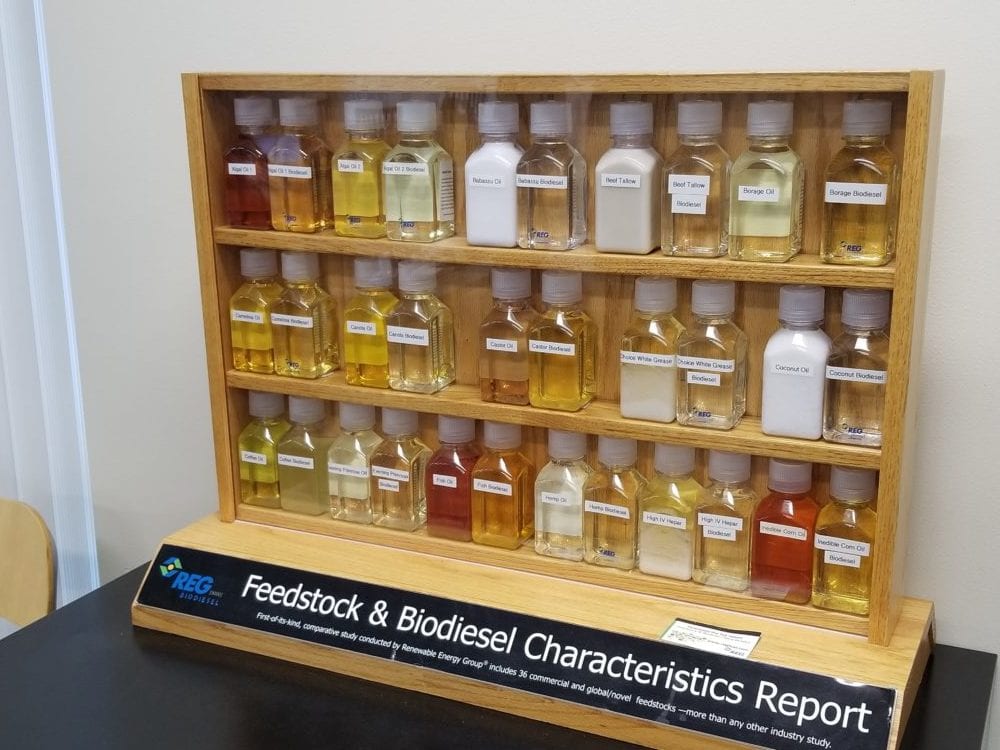
Renewable Energy Group (REG) performed a study in 2009 with the support of the Iowa Power Fund Board and the Iowa Office of Energy Independence that tested 36 individual feed-stocks.  Star Oilco will be spotlighting these feedstocks through our blog and our social media. The full report can be found on their site if you would like to read ahead or explore the results in more depth. We hope you find these as interesting as we did!

Bio-diesel and Feed-stock samples at REG

Above photo taken at REG headquarters in Ames, Iowa.

This first blog highlights the following 2 types of feed-stock:

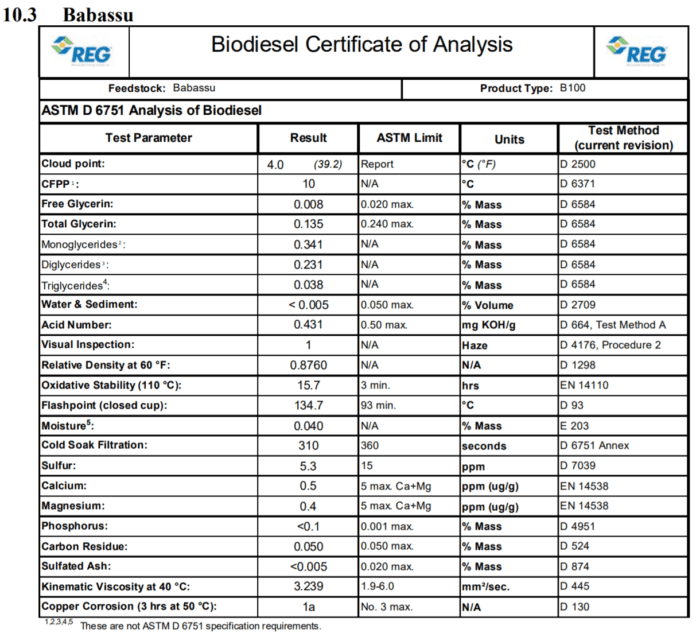
                                                            Babussa Oil & Beef Tallow

Babassu Oil

Attalea speciosa

Babassu oil is extracted from the seeds of the babassu palm tree, Attalea speciosa, an evergreen tree growing to 30 m (98ft) by 20 m (65ft) at a slow rate. It is hardy to zone (UK) 10 and is not frost tender. The flowers are pollinated by bees and other insects. The tree is common in Brazil, Mexico, and Honduras; it grows well in areas typically cultivated for coconut or palm. The kernels contain 60-70% oil, appear transparent, and smell like walnuts. In its natural form the oil is liquid at 20-30°C (68 – 86°F). The seeds are edible and the oil is used in margarine, soaps, detergents, lamp oil and skin products. Oil extraction results in a cake containing 15-25% protein (depending on the shell content), which is a valuable feedstuff.

In February 2008, Babassu palm oil and coconut oil were blended with jet fuel to power a Virgin Atlantic Boeing 747 during a test flight from London’s Heathrow to Amsterdam.

Babassu oil is extracted from the seeds of the babassu palm treeBabassu Oil Chart

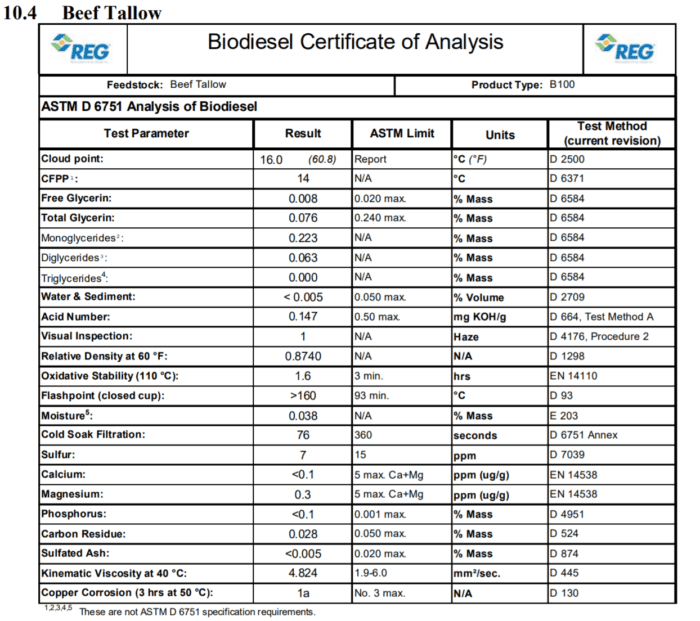
Beef Tallow

Tallow is a rendered form of the waste fats and greases from processing beef. Rendering is a process by which lipid material is separated from meat tissue and water under heat and pressure. Beef tallow is primarily made up of triglycerides and it is solid at room temperature. The B100 that is created from this source has a very high cloud point. “Cloud point is the temperature at which wax (paraffin) begins to separate when oil chilled to a low temperature, and it serves as an important indicator of practical performance in automotive applications in low temperatures.”  (Source)  The other uses for tallow include animal feed, soap, cooking and in the past, candles.

Beef Tallow Animal tissue is converted to tallow using rendering; a process by which lipid material is separated from meat tissue and water under heat and pressure.Beef Tallow Chart


Article 2 Feedstock : Borage Oil & Camelina Oil

Article 3 Feedstock : Algae Oil & Canola Oil.

Article 4 Feedstock : Castor Oil and Choice White Grease

Article 5 Feedstock : Coconut Oil and Coffee Oil

Article 6 Feedstock : Evening Primrose Oil and Fish Oil

Article 7 Feedstocks : Hemp Oil & High IV and Low IV Hepar

Article 8 Feedstocks : Jatropha Oil, Jojoba Oil, & Karania Oil

Article 9 Feedstocks : Lesquerella Oil & Linseed Oil

Article 10 Feedstocks – Moringa Oil & Neem Oil

Article 11 Feedstocks – Palm Oil & Perilla Seed Oil

Article 12 Feedstocks – Poultry Fat & Rice Bran Oil

Article 13 Feedstocks – Soybean Oil & Stillingia Oil

Article 14 Feedstocks – Sunflower Oil & Tung Oil

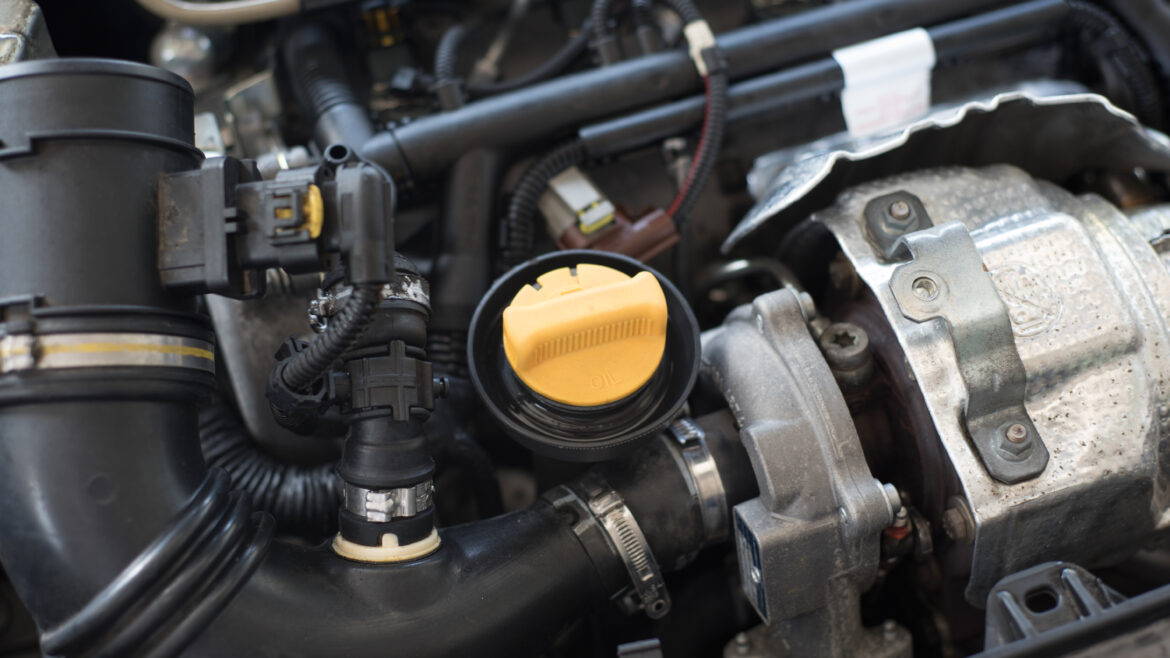
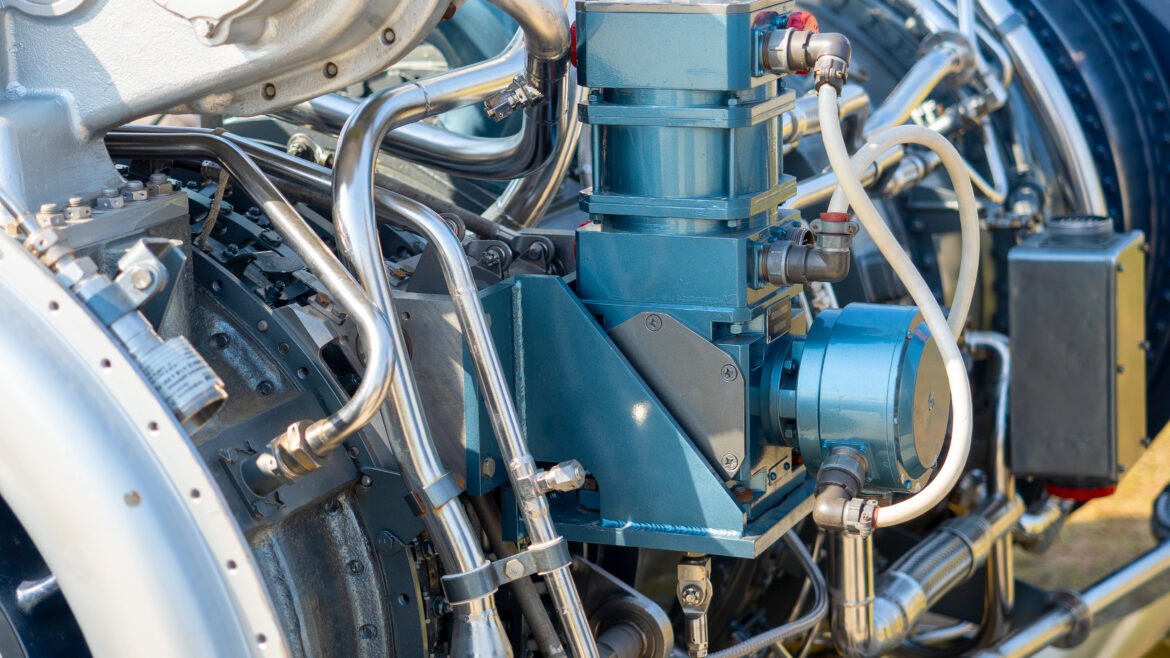
Close-up of diesel engine with visible oil cap, piping, and metal components
Bulk diesel desiccant filters, dry fuel, and keeping your diesel fuel clean. 1024 684 Star Oilco

Bulk diesel desiccant filters, dry fuel, and keeping your diesel fuel clean.

Bulk diesel fuel delivery and storage best practice.

Use Desiccant Breathers and Premium Diesel additives to improve your diesel performance and reduce maintenance cost.

Save tens of thousands on fleet maintenance costs!

How? Clean, dry, and premium-treated diesel.

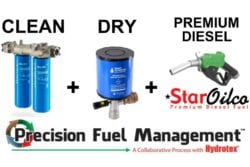
Reduce injector wear and particulate trap service needs with simple steps focused on fuel quality. Get the water and dirt out of your fuel with aggressive filtration and then upgrade the fuel’s lubricity, detergency, cetane, and performance with Hyrdrotex Power Kleen premium diesel.

Call Star Oilco if you want to permanently solve bulk diesel quality issues with our Precision Fuel Management program.

Do you have a bulk diesel storage tank?

Does that tank seem to have water in the bottom of it and you can’t seem to figure out where it’s coming from?

You call your diesel supplier and they say they know it isn’t them. If that’s your experience, Star Oilco can explain where that water is probably coming from. With the help of Hydrotex, Star Oilco can also lab test your fuel quality and prove we are in improving it as well.

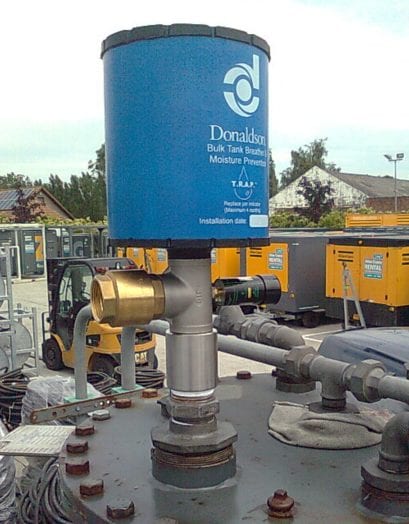
desiccant filter in field

All storage tanks are different. But for the most part, if your tank seems to take on water randomly. It’s probably from the tank breathing. Especially if you have a large above ground tank. In fact, if you tracked it on a calendar it probably happens the same time of year in conjunction with a weather pattern your tank responds to.

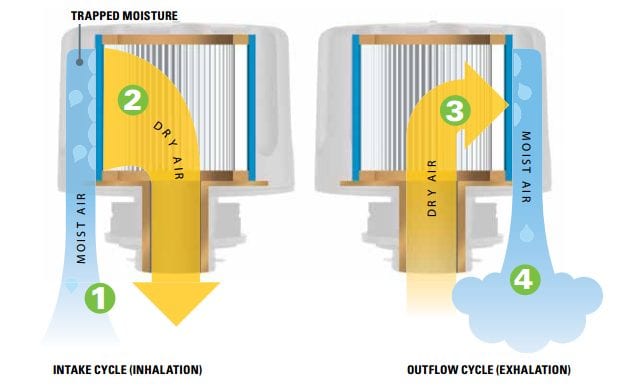
How it works is as the temperature changes the tank’s space that is not filled with fuel will breathe in and out. The temperature and air pressure move air in and out of the tank. As does dispensing fuel out of the tank and then refilling the tank. When that happens, especially if you have a significant amount of humidity in the air or misting rain, water makes it’s way into your fuel supply. As temperatures change, moisture is drawn into the tank, condenses on the inner wall of the tank, and then deposits itself on the bottom of the tank.

This water not only poses a risk to your engines, but if your fuel isn’t treated for stability and performance, that fuel is guaranteed to start growing bugs and algae that will spread throughout your fleet and will have your mechanics spinning filters and dealing with random problems due to this diesel biological growth.

This problem is also exacerbated by ineffective fuel additives trying to keep your fuel dry, clean and safe for your injectors to process, which ensures that water does not get absorbed by your diesel. A single drop of water falling out of solution in today’s high pressure fuel rails and your engine can blow an injector.

HOW DO YOU SOLVE WATER IN YOUR DIESEL TANK?

ANSWER: DESICCANT BREATHERS ON YOUR VENTS

Desiccant diagram

Star Oilco recommends Donaldson desiccant filters, given their excellent full line of products and support. More on the full Donaldson Clean Dry Fuel program here: Donaldson Clean Diesel Kits Brochure.

The Donaldson desiccant breaker mounts to the top of a tank at it’s vent point. This addition seals the point of failure for water to get into your tank. Though in some cases it doesn’t stop 100% of water from ending up in your fuel tank, it definitely guarantees you know where it won’t be coming from, the environment around your tank.

(NOTE: If dealing with underground storage tanks also be aware that if you seal the vent with a desiccant filter and you still have incident’s of water, it might be a leak in the bottom of the tank where rain water is making its way into the tank.)

By using Donaldson filters, Star Oilco also gains the benefit of support from Hydrotex PowerKleen diesel fuel lab to analyze fuel to guarantee that the before and after samples of the fuel are moving as expected and the problem is solved. Running diesel samples can cost as much as $200 each time–having a partner that backs up our solutions with ASTM and ISO measured verification is a must.

The first step in getting better performance from your diesel fuel is to test your bulk diesel storage tank.

To get a complementary ASTM diesel fuel test, contact Star Oilco for assistance.

Clean, dry, premium diesel

Tank Testing Form

  • This field is for validation purposes and should be left unchanged.
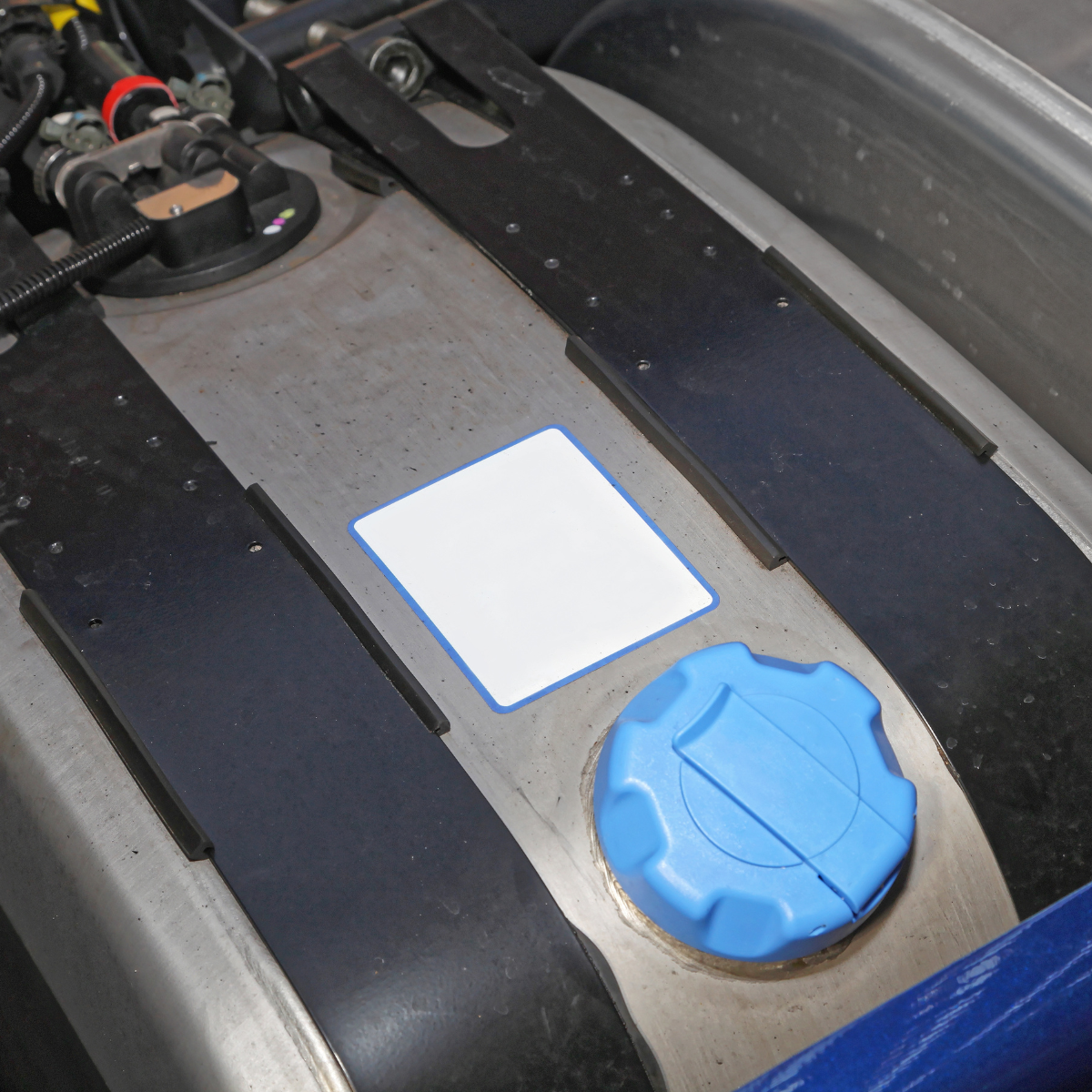
Blue diesel exhaust fluid DEF cap and reservoir
Diesel Exhaust Fluid (DEF) Quality, Storage, and Future Considerations 1024 1024 Star Oilco

Diesel Exhaust Fluid (DEF) Quality, Storage, and Future Considerations

Have you ever noticed that Diesel Exhaust Fluid (DEF) often lives in the background until suddenly it’s the reason your fleet can’t meet emissions standards or a system clogs up? DEF quality and storage isn’t just technical noise, it’s vital for keeping your SCR system happy and your operations rolling smoothly. We want to share with you what makes DEF high quality, the best ways to store it, and what trends are shaping its role in diesel emissions systems moving forward.

Diesel Exhaust Fluid (DEF) is a crucial component in modern diesel engines equipped with Selective Catalytic Reduction (SCR) systems. While many fleet operators are familiar with its basic function of reducing nitrogen oxide (NOx) emissions, understanding the intricacies of DEF quality, storage, supply chain considerations, and system maintenance can help businesses optimize efficiency and avoid costly repairs. At Star Oilco, we provide fleets with the knowledge and resources needed to navigate these complexities. This guide will explore the advanced aspects of DEF, from maintaining quality and ensuring proper storage to understanding emerging trends in emissions technology. 

Understanding DEF Quality and Purity 

 The quality of DEF plays a significant role in the performance and longevity of an SCR system. DEF must adhere to ISO 22241 standards, which regulate its composition, concentration, and purity. Using non-compliant DEF can lead to injector clogging, crystallization, and system failures. Even small amounts of contaminants such as dirt, fuel, or water can negatively impact DEF performance and damage expensive SCR components. 

To ensure DEF meets the necessary standards, regular testing should be performed. Refractometers can measure the urea concentration to verify the correct 32.5 percent solution. DEF testing strips can detect impurities, while more advanced lab analysis can help diagnose performance issues related to fluid quality. Purchasing DEF from a reliable, ISO-certified supplier is the best way to avoid contamination and maintain compliance. 

DEF Storage Best Practices to Prevent Contamination 

Proper storage is essential for maintaining DEF integrity. Temperature control is a key factor, as DEF should be stored between 12 and 86 degrees Fahrenheit to prevent degradation. Freezing does not damage DEF, but extreme heat can cause evaporation and reduce its effectiveness. To minimize exposure to environmental factors, DEF should be stored in opaque, UV-resistant containers to prevent sunlight from breaking down its chemical properties. 

Choosing the right storage material is also critical. DEF should be kept in plastic or stainless steel containers, as certain metals such as aluminum, copper, and zinc react with DEF, leading to contamination. Additionally, keeping storage containers sealed will prevent air exposure, which can introduce dust or debris. Managing inventory efficiently is another important aspect of storage. DEF typically has a shelf life of 12 months, but in warmer climates, its lifespan may be reduced to six months. Using a first-in, first-out (FIFO) inventory approach ensures that older stock is used before it degrades. 

Regular inspections and cleaning of storage equipment are also recommended to maintain DEF purity. Be sure to check for residue buildup, leaks, or any signs of contamination in tanks, nozzles, and dispensing systems. Training staff on proper handling procedures can further reduce the risk of accidental contamination. By taking these proactive steps, you can ensure your DEF stays clean, effective, and ready to support emissions compliance.

DEF dispensing station pump showing control panel, hose, and DEF push button

How Temperature Affects DEF Performance 

Temperature fluctuations can significantly impact DEF performance. In cold climates, DEF freezes at 12 degrees Fahrenheit, causing operational challenges for fleets. While frozen DEF does not degrade, it must be properly thawed before use. Heated DEF dispensers and insulated storage solutions can help prevent freezing issues in extreme weather conditions. It is important to avoid adding water to thaw frozen DEF, as this disrupts the precise urea concentration and compromises its effectiveness. 

On the other end of the spectrum, high temperatures can cause DEF to degrade. Exposure to prolonged heat above 86 degrees Fahrenheit can lead to evaporation and an increase in urea concentration, which may result in improper dosing and SCR malfunctions. Storing DEF in shaded or climate-controlled areas can help mitigate heat-related degradation. Seasonal changes also impact DEF consumption rates, with colder temperatures often leading to increased DEF usage as SCR systems adjust to lower combustion efficiencies. 

DEF Supply Chain Considerations 

DEF relies on a stable global urea supply, making it susceptible to market fluctuations. Since urea is also used in fertilizer production, shifts in agricultural demand, export restrictions, and production slowdowns can lead to price increases and supply shortages. In times of high demand, fleets may struggle to secure sufficient DEF, leading to increased costs and operational challenges. 

To avoid supply disruptions, fleet operators should consider strategic sourcing options. Establishing relationships with reliable DEF suppliers and securing bulk deliveries can help mitigate the risk of shortages. On-site DEF storage solutions can also provide a buffer against market volatility, allowing businesses to maintain an adequate supply without relying on just-in-time purchasing. Planning ahead for seasonal or industry-wide fluctuations in DEF availability can help fleets remain operational without unexpected expenses. 

The Economics of DEF for Fleet Operations 

DEF consumption is directly tied to diesel fuel usage, with most fleets using approximately two to three percent DEF per gallon of diesel burned. Understanding this ratio allows businesses to budget accordingly and monitor costs. Optimizing fuel efficiency can also lead to lower DEF usage, as well-maintained engines operate more efficiently and require less NOx reduction. 

Using high-quality DEF prevents costly maintenance issues. Non-compliant or contaminated DEF can cause injector clogging, pump failures, and SCR system malfunctions, resulting in expensive repairs and downtime. Some manufacturers void engine warranties if improper DEF is used, making it even more important to source DEF from a certified provider. Preventative maintenance and regular DEF quality testing can help fleets avoid hidden costs associated with poor-quality fluid. 

DEF System Failures: Causes and Prevention 

Common DEF system failures can be traced back to improper handling, storage, and contamination. Crystallization, for example, occurs when DEF is exposed to air and loses moisture, leaving behind solid urea deposits that can clog injectors and sensors. Contaminated DEF can lead to buildup in the SCR system, affecting performance and triggering warning lights that may lead to vehicle derating or shutdown. 

Preventing DEF system failures requires proactive maintenance. Regularly flushing DEF tanks, inspecting nozzles for blockages, and ensuring proper storage conditions can help prevent these issues. Using ISO-certified DEF from a trusted supplier also reduces the risk of contamination. Scheduled maintenance checks and SCR system inspections allow fleet operators to address minor issues before they escalate into costly repairs. 

The Future of DEF and Emissions Technology 

As emissions regulations continue to evolve, the role of DEF in diesel technology is likely to expand. The Environmental Protection Agency (EPA) continues to push for stricter NOx reduction targets, which may lead to advancements in SCR systems and increased DEF usage. Some manufacturers are exploring alternative NOx-reduction methods, such as ammonia-based catalysts or hydrogen fuel cell technology, but DEF remains the most effective solution for modern diesel engines. 

While DEF will remain a key component of emissions compliance for the foreseeable future, fleet operators should stay informed about regulatory changes and advancements in emissions technology. Investing in high-quality DEF and optimizing storage and usage practices will help businesses stay ahead of evolving environmental standards. 

DEF Myths and Misconceptions 

Several misconceptions about DEF persist, leading to improper use and maintenance practices. One common myth is that water can be added to DEF in emergencies. This is incorrect, as dilution disrupts the precise 32.5 percent urea concentration, rendering it ineffective and potentially damaging the SCR system. 

Another common belief is that DEF improves fuel efficiency. While DEF itself does not enhance fuel economy, it allows for optimized engine performance by reducing backpressure in the exhaust system. This results in better combustion efficiency, which can lead to slight improvements in fuel usage. 

A final misconception is that DEF does not expire. In reality, DEF has a shelf life and degrades over time, especially when exposed to heat or contaminants. Proper storage and inventory management are essential to maintaining DEF quality. 

How Star Oilco Ensures High-Quality DEF for Customers 

Star Oilco provides high-quality, ISO 22241-certified DEF to ensure fleets remain compliant and operational. Our bulk DEF delivery services allow businesses to secure a reliable supply, reducing the risk of shortages and minimizing costs. We also offer on-site DEF storage solutions to help fleets manage their inventory efficiently. 
In addition to supplying high-quality DEF, we assist customers with DEF system maintenance, testing, and best practices to ensure long-term reliability. With our commitment to quality and service, Star Oilco is the trusted partner for businesses looking to optimize their DEF usage and reduce the risk of SCR system failures. 

We also help customers stay up to date on regulatory changes and evolving DEF standards to ensure full compliance. Whether you’re a small fleet or a large operation, our team is ready to tailor a DEF solution that meets your specific needs.

Diesel exhaust fluid DEF fill cap on diesel vehicle

For more information on our DEF solutions, contact Star Oilco today to learn how we can help keep your fleet running efficiently while meeting emissions compliance standards. 

Frequently Asked Questions

DEF (Diesel Exhaust Fluid) is injected into the exhaust stream of modern diesel engines equipped with Selective Catalytic Reduction (SCR) systems. It reacts with exhaust gases to convert harmful nitrogen oxides (NOx) into harmless nitrogen and water vapor. This process dramatically cuts emissions, keeping your fleet compliant with strict EPA standards.

Stored properly, DEF generally has a shelf life of up to 12 months. However, exposure to heat can shorten this to 6 months or less, especially in warmer climates. That’s why using a first-in, first-out (FIFO) system is crucial. It ensures older DEF is used before it degrades, protecting your SCR systems from concentration issues that could cause costly repairs. 

Most fleets use about 2-3% DEF relative to diesel fuel burned. That means for every 100 gallons of diesel, you’ll consume roughly 2 to 3 gallons of DEF. Knowing this ratio helps you forecast DEF needs alongside your fuel budgets.

Not directly. DEF doesn’t boost fuel economy on its own. However, by reducing exhaust backpressure through the SCR process, your engine can operate more efficiently, which may lead to slightly better combustion and fuel performance over time. 

Yes. DEF naturally degrades over time, even under ideal conditions. Keeping it cool, sealed, and protected from UV rays slows this process, but eventually it ages out. That’s why FIFO inventory management and routine checks of DEF age are important to avoid using degraded product.

Colder temperatures can make diesel engines burn less efficiently, leading the SCR system to dose more DEF to keep NOx emissions in check. This seasonal variance is normal, but it means winter months may see DEF usage spike slightly higher than your average.

Regulations on NOx emissions are only getting tighter. This means future SCR systems could demand even more precise DEF dosing, or fleets might see an overall increase in DEF consumption. Staying committed to quality DEF, proper storage, and system maintenance now will help keep you ahead of regulatory curves and avoid penalties later.

We supply only ISO-certified DEF, deliver it in bulk or packaged form, and provide on-site storage solutions to keep your operations protected. Our team also supports customers with DEF quality testing, maintenance guidance, and proactive system checks to help you avoid breakdowns, warranty headaches, and surprise costs.

Close-up of diesel engine components and fuel system
Make And Keep Your Diesel Fuel Much More Clean 1024 768 Star Oilco

Make And Keep Your Diesel Fuel Much More Clean

                               Make And Keep Your Diesel Fuel A Lot More CleanClean, dry, premium diesel

What is Clean Diesel? 

Clean diesel is free of the contaminants that harm modern diesel engines. Today, there is a gap between ASTM diesel standards and the ISO cleanliness standards needed for use in high pressure common rail engines. Anyone operating a modern clean diesel engine is seeing the effect, including injector replacement, DPF regeneration, and a host of other fuel quality related maintenance concerns we never saw twenty years ago. On top of all of that, today’s refined diesel fuels are less storage stable than ever before. What is on the bottom of your bulk tank can also complicate matters further. When diesel is bought wholesale, it typically meets and exceeds ASTM required industry standards, but almost always requires additional filtration to avoid excessive engine wear and premature part failures.

Having clean diesel requires an additional amount of care. Namely, you need to make sure that the fuel is aggressively filtered at 4 microns to catch the microscopic particles that are big enough to damage your modern diesel engine’s high pressure fuel rail system. Furthermore, clean diesel is fuel that is free of water and stabilized with Premium Diesel to guarantee no bacteria, yeast and other creatures can grow and further contaminate the saddle tanks on your trucks.

For more on clean diesel, see Donaldson’s description of “The New Clean” for an in-depth explanation of what ISO cleanliness and filtration mean for your diesel fleet.

Making Diesel Cleaner!

Knowing the quality of your fuel is the first step. This is done by taking samples off of the bottom of your bulk storage, as well as a representative sample from your fuel dispenser. Lab tests of those samples will tell you if you have water, biological growth, or dirt issues with your storage. The contaminants in the tank being sampled are almost always visible, which is to say that they look horribly ugly. If your fuel quality assurance has been on autopilot, do not be surprised if you find this. After gathering knowledge about your fuel, the next step is to get your fuel quality clean.

Filtration and tank bottom sampling is the start. Beyond that, the only way to improve your fuel quality performance is to filter your fuel, ensure water is not getting into the tank through condensation, and additize it with a Premium Diesel additive to upgrade the performance of the fuel. Many fleets today are seeing injector wear and continual problems with particulate trap maintenance. This is a combination of water in fuel and microscopic particles not captured by a 10 or 30 micron filter used at most diesel dispensers. You have to filter more aggressively than this.

Clean, Dry, and Premium Diese

Where To Start?

The first step is sampling your bulk diesel tank. We check your bulk tank for water and dirt to make sure and meet the specifications your engine is built for. Star Oilco can help by providing a complementary diesel test for those fleets interested in taking control of their fuel quality assurance. Usually when testing fuel, we take a sample off of the tank bottom as well as a representative sample out of the fuel dispensing nozzle.

What we usually find is ASTM specification diesel fuel (it meets ASTM spec) that is higher than you’d want (still in spec) for water with far more dirt than the OEM’s would want to see in your engine. This dirt fails to be within the “ISO Cleanliness” specifications recommended by engine manufacturers. Usually, we also see water on the bottom of the fuel tank, which is a likely source for future or current biological growth in your fuel tank.

Star Oilco can help you fix this! The first step is to sample your fuel tank.

NOTE: If you have a current biological growth problem in your bulk fuel tank or fleet, your first step is to treat that effected fuel with a diesel microbiocide to kill the bugs growing in your tank. For more on this, see our Valvtect Plus 6 Diesel Microbiocide page.

Tank Testing Form

  • This field is for validation purposes and should be left unchanged.
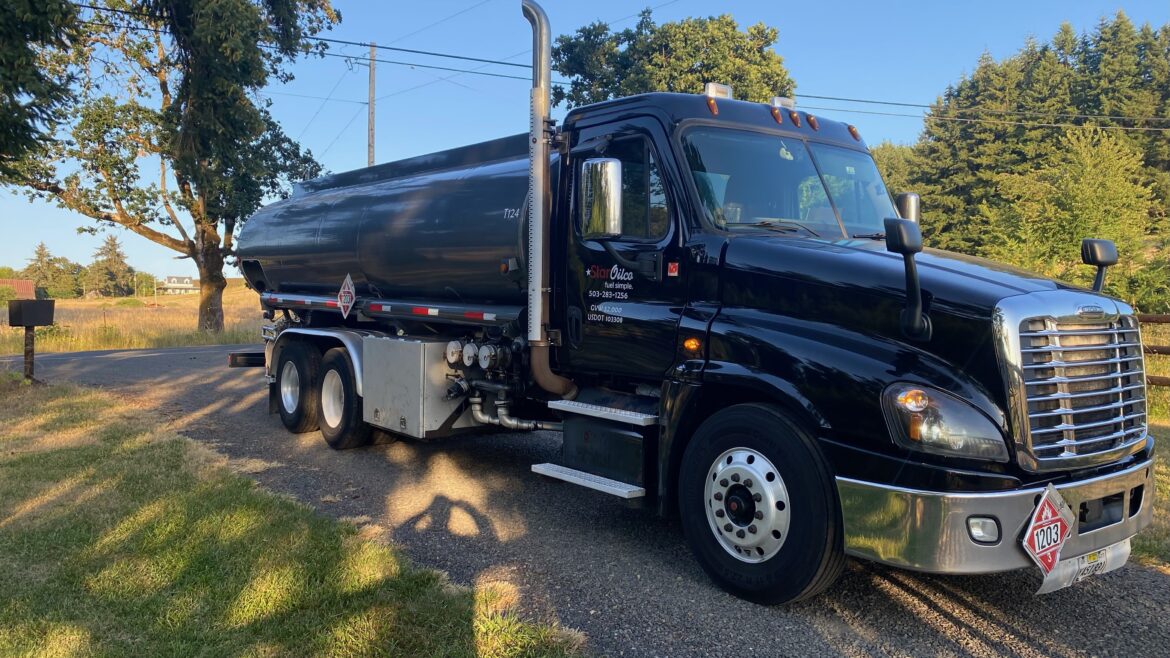
Star Oilco black fuel truck parked on rural road with trees in background
What Is Portland’s Renewable Fuel Standard? 1024 768 Star Oilco

What Is Portland’s Renewable Fuel Standard?

Diesel Fuel Is Changing In Portland With The Renewable Fuel Standard (RFS)

Portland Old Town sign representing the city’s commitment to renewable fuel standards

Figuring out what this means for you or your business can be challenging. We have shared many questions that we have been asked already, to help provide more clarity on what this Renewable Fuel Standard (RFS) means for Wholesale Purchaser-Consumers​. If your question isn’t listed below, please reach out to Star Oilco so we can make sure your questions are answered!

Choose Star Oilco As Your Preferred Fuel Delivery Company

The Renewable Fuel Standard (RFS) is Portland City Council’s response to the City’s 2022-2025 Climate Emergency Workplan,  which lists the City’s priority actions over the next three years.​

On Dec. 7, 2022, City Council unanimously adopted amendments to the Renewable Fuel Standard, Portland City Code Chapter 16.60, which reduces dependence on nonrenewable fossil fuels, by increasing the required percentage of renewable fuels blended with petroleum diesel sold in the city of Portland.​

This policy increases low-carbon biofuel blends, moving Portland’s diesel fuel mix to 99% renewable by 2030. This policy includes a carbon intensity standard to shift to fuels that are lower carbon across their entire lifecycle.

Portlands Renewable Fuel Standard Requirements

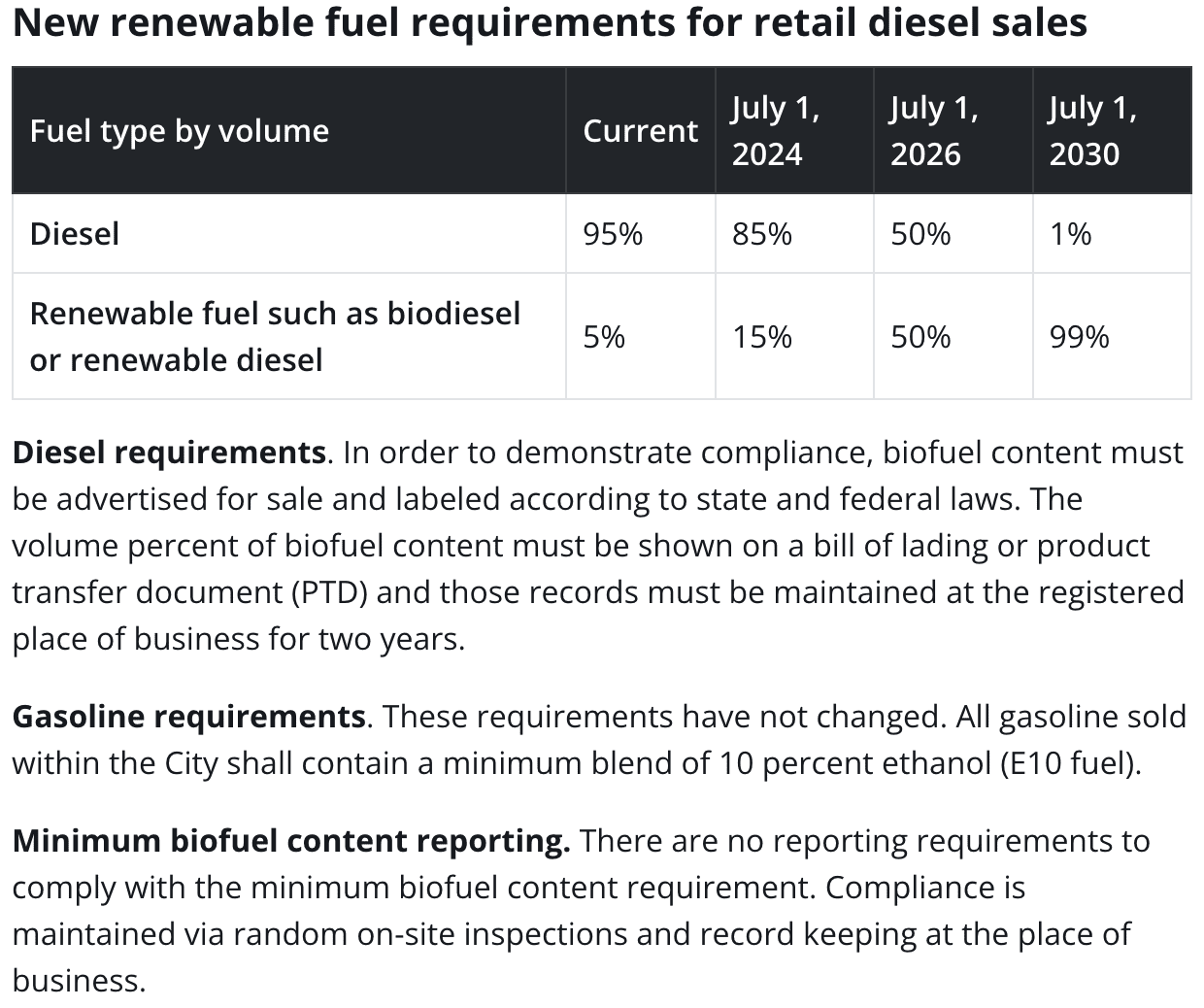
 July 1, 2024, Portland required that all diesel fuel sold contain a minimum 15% blend of biodiesel or renewable diesel. This percentage will increase steadily over the next few years, reaching a minimum 99% renewable fuel requirement by July 1, 2030.

There are no reporting requirements for retailers to comply with this mandate. Instead, the city enforces compliance through random on-site inspections and by requiring retailers to maintain records of the biofuel content of the diesel they sell.

  • The policy speaks to “Covered Entities”​
  • Diesel Fuel Transaction within the City of Portland Oregon​
  • Fuel distributors, resellers, retailers, nonretail dealers, terminals, importers and wholesale purchaser-consumers are directly regulated by PCC Chapter 16.60 and referred to as “covered entities.”
  • Wholesale Purchaser-Consumers​: also know as WPCs are directly regulated by PCC Chapter 16.60 and referred to as “covered entities.”​

Wholesale purchaser-consumer (WPC) is a category of entities that own or utilize diesel vehicle fleets and purchase fuel in bulk for delivery into a storage tank at their facility or directly into a vehicles fuel tank. WPCs are required to register with the RFS program.​

A fuel distributor or common carrier delivers on road diesel to your facilities on-site tank such as: ​

  • Bulk Tank​
  • Aboveground Storage Tank (AST)​
  • Underground Storage Tank (UST)​

A fuel distributor delivers on road diesel directly into your vehicles also known as:​

  • On-Site Fleet Fueling​
  • Wet Hose Fueling​

Yes, these rules apply to fuel for on-road motor vehicles. Fuels used for the following purposes are not covered by these rules: ​

  1. Railroad locomotives, watercraft, aircraft, and emergency equipment​
  2. Dyed diesel for off-road vehicles​
  3. Dyed diesel for furnaces, boilers, generators​
  4. Propane and liquefied natural gas for vehicles​

Wholesale Purchaser-Consumers are required to meet three primary components of the RFS:​

  1. Biofuel Minimum Content Requirements,​
  2. Carbon Intensity standard,​
  3. Selecting a compliance option, and​
  4. Record keeping.​

Biofuel Minimum Content Requirements for Wholesale Purchaser-Consumers​

  • WPCs in the City of Portland are required to meet the minimum biofuel content requirements for all fuel they purchase for their vehicle fleet. Beginning July 1, 2024, all diesel purchased must include 15% biofuel content, from either renewable diesel or biodiesel. This requirement increases to 50% on July 1, 2026, and 99% on July 1, 2030.​
  • The biofuel content requirements will be enforced through random inspections of fleet facilities to see that they (1) have a contract in place with fuel suppliers that specifies that fuel meets the minimum blend requirements, or (2) verification of actual products purchased through testing or review of product transfer documents.
  • All WPCs also need to be aware of the Carbon Intensity Standard in PCC Chapter 16.60.​
  • All biodiesel and renewable diesel sold in the City of Portland must have a carbon intensity equal to or less than 40g CO2e/MJ as certified by DEQ’s Clean Fuels Program, Approved Carbon Intensity Values.​
  • Carbon intensity requirements apply to biofuel blendstock, not the final blended products, which may contain a portion of petroleum-based diesel fuel at a higher carbon intensity.​

Selecting a compliance option for Wholesale Purchaser-Consumers​

  • WPCs will need to select a compliance option by the start of the compliance period, July 1, 2024.​
  • Portland Bureau of Planning & Sustainability (BPS) will provide notification about selecting compliance options by May 31, 2024.​
  • To receive notification, covered entities must be registered with the RFS Program. ​

*Compliance option selection may be changed at any time during the compliance period after consulting with BPS. If a covered entity decides to change the compliance option during the compliance period, they are responsible for compliance under the new option for the full compliance period.

Record Keeping Requirements for Wholesale Purchaser-Consumers​

Portland City Code (PCC) Chapter 16.60 and administrative rules requires that an invoice, bill of lading, shipping paper, or other documentation, referred to as “Product Transfer Documents” (PTD) must accompany each fuel delivery in the city of Portland. The administrative rules specify that:​

  1. PTDs must include the type of renewable fuel, including biodiesel, renewable diesel, ethanol, or any blends of these fuels, and declare the volume percent of such renewable fuel.​
  2. PTDs must comply with OAR 603-027-0430 (1) (a) which includes identifying the quantity, the name of the product, the name and address of the seller and buyer, and the date and time of the sale.​
  3. WPCs using the Product Transfer Document compliance pathway must also ensure that fuel pathway codes issued by Oregon Clean Fuels Program are also included on a PTD associated with each delivery received by the WPC or have a contract with a fuel supplier specifying the carbon intensity requirements of PCC Chapter 16.60.​

Contact Us Today To Learn More About The RFS For Your Operations

JOIN THE FUEL MARKET REPORT NEWSLETTER FOR YOUR WEEKLY FILL OF UPDATES!

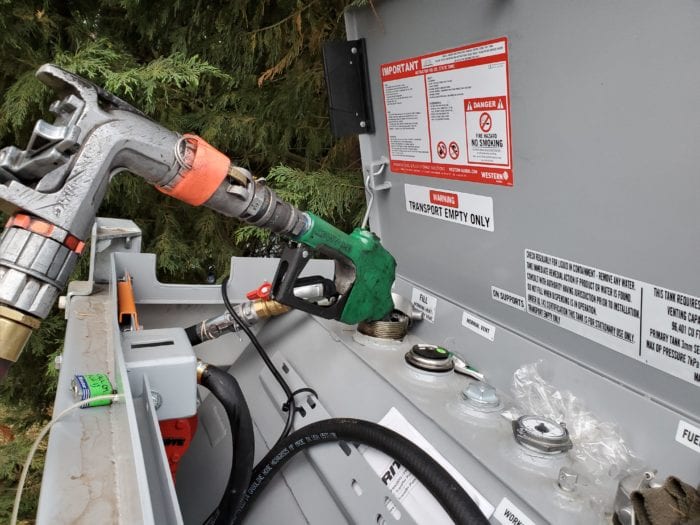
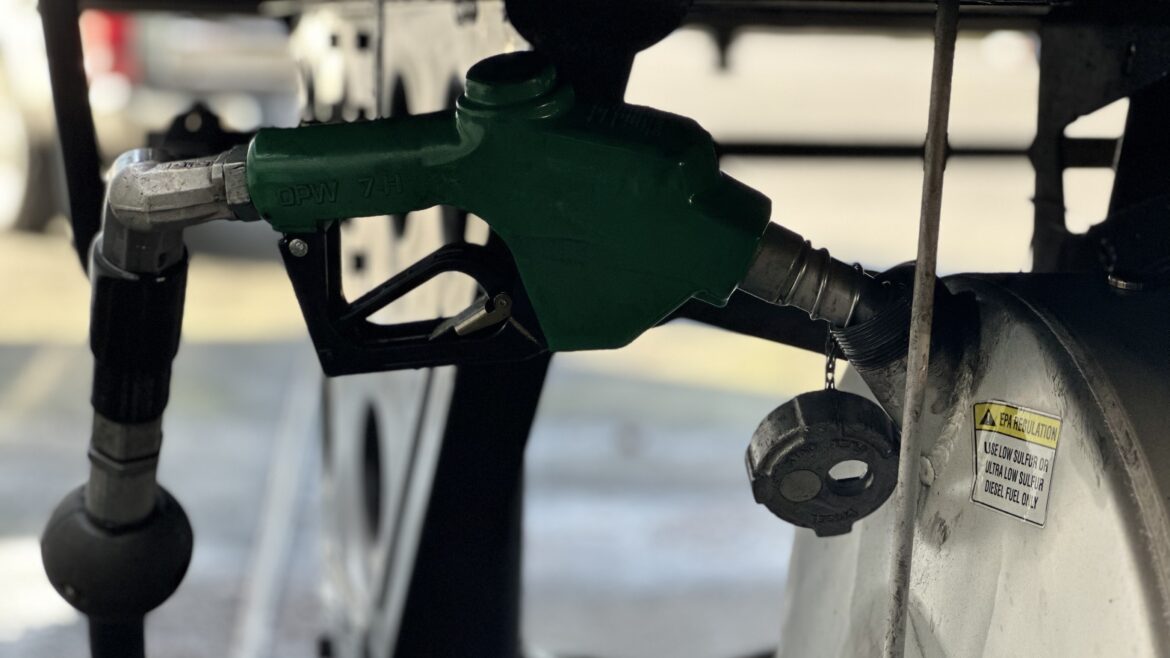
Green diesel nozzle filling off-road fuel tank labeled for ultra low sulfur diesel
Every Question About Off-Road Diesel 1024 768 Star Oilco

Every Question About Off-Road Diesel

Got questions about red dyed diesel? We have answers!

If you don’t find the answer you’re looking for related to red dyed diesel (or off-road diesel) reach out to us directly and we’d be happy to help answer your questions.

Red Diesel is off-road diesel, in the United States this fuel is denoted with a red dye. The dye marks this as fuel for off-road equipment and vehicles and as such it doesn’t have road fuel taxes included in the price.  This dye takes a great deal of clear fuel to dilute so it makes it very obvious if an on-road vehicle has been using off-road untaxed fuel. Tax authorities can and do check for vehicles using off-road red diesel in on-road vehicles. They do this by using a black light to spot any residual presence of dye in the fuel as well as at key places in the engine compartment.

On-road diesel is clear or slightly green. Refineries place a green dye into diesel fuel which is obvious if fuel is freshly dispensed into a bottle to observe its color. As fuel ages this dye fades to yellow or darker colors. Part of a visual observation to inspect diesel fuel quality is to check the fuel for a “bright” appearance with the slight green dye being a giveaway that the diesel is fresh and in good condition.

Nearly all diesel has dye in it. Typically when talking about dyed diesel, we’re referring to a red dye added to off-road diesel. Off-road diesel is normally used for heating oil, construction fueling, agricultural use, and other off-road equipment not used on the highway system where fuel taxes would be required by law.

comparison chart showing difference between off-road diesel and on-road diesel fuel in Portland OR

Why is diesel dyed?

Diesel is dyed in order to denote if it has paid road tax or not. On-road diesel in the United States usually has a light green tint to it. Off-road diesel has a red dye to denote it has not paid road taxes as required by all states and the Federal government.

What is off-road diesel?

Off-road diesel is diesel fuel dyed red to show it is untaxed and available only for off-road fuel uses such as construction fueling, equipment never used on a public road, agricultural use, heating oil, boiler fuel, and other non-taxed diesel fuel uses under state and Federal fuel tax law. In Oregon, with proper paperwork, some off-road uses can buy on-road fuel with the Oregon state tax exemption.

What is farm diesel?

Farm or diesel for agricultural use is off-road diesel that is not charged on-road fuel taxes. Agricultural use fuel is a tax-exempt use of diesel fuel. If diesel is burned on a farm and can be tracked for such, taxes can be avoided. Farms are allowed to receive clear diesel without road taxes charged on it in Oregon. Often it is dyed red to denote it is tax free. In Oregon, where P.U.C. for trucks over 26,000 GVW pay a weight mile tax instead of a per gallon state road tax, some farms will track their use of clear diesel so they can file for Federal road taxes on off-road usage.

Contact Us Today To Order Your Off-Road Diesel

Star Oilco technician testing off-road diesel fuel quality with a funnel and filter on-site in Portland OR

All diesel sold in the United States typically has some dye in it. On-road diesel usually has a slight green tint to it. This is a dye added by either the refiner or terminal provider with the fuel. Off road diesels are dyed red to denote that the fuel is untaxed and is for use in off-road purposes only.

Solvent Red 26 and Solvent Red 164 are the allowed dyes prescribed by the United States Internal Revenue Service for marking diesel as for un-taxed off-road use only.

Off-road diesel is classified as a Class II combustible liquid by the National Fire Code. A flammable fuel is one with a flash point below 100 degrees F. Diesel’s flash point is between 126 and 205 degrees F (typically assumed to be about 160 degrees F).  That classifies it as a Class II combustible.

Fuel taxes charged is the big difference between the two fuels. All on-road diesel is clear or greenish in color to denote it is both ultra-low sulfur diesel and the on-road fuel taxes associated with using it to power a highway vehicle have been paid. Dyed fuel means that fuel taxes are not paid and that the fuel can not be used to power a vehicle on a public road.

It depends on the sulfur content of the fuel and the year/engineering of the truck.  If your dyed fuel is ultra low sulfur it is typically the exact fuel as on road diesel with an added injected red dye to denote it is untaxed for off road use only.

Red Dyed fuel can occasionally be low sulfur or high sulfur content.  That sulfur content will create real issues with a  post 2007 pick up or commercial diesel truck with a tier 3 or tier 4 emission system.  Most diesel in the US today including off-road diesel is ultra low sulfur (under 15 ppm sulfur). Low sulfur diesel is over 15 parts per million and can be as high as 500 ppm.  High sulfur diesel is over 500 ppm and can range in the thousands of parts per million.  That sulfur means far more soot and black smoke out of your tail pipe.  If you are “rolling coal” out of a modern diesel that’s bad for the truck as well as violates emissions laws in the US.  Similarly if you are using a 2007 or newer truck it will have very tight tolerances on the fuel injectors which can more easily coke up if running a higher sulfur or even dirtier specification diesel.  It is recommended to use ultra low sulfur fuel in all equipment.

It is illegal because diesel used for on-road use has taxes to pay for those roads. These taxes are charged at a federal, state, and municipal level depending on where you are at.  Off road diesel has a red dye injected into it at the time of loading the fuel delivery truck.  This loading of a fuel truck at a terminal is the point of taxation and tracking for diesel down stream in the economy.  If you see a fuel with a red dye, it is untaxed.  To use this in an on-road vehicle if you get caught can result in huge fines. In Oregon it could be as much as $10,000 a day for use of red dyed diesel in an on road use.  It is not uncommon for scale stops of commercial tanks to flashlight a saddle tank and check for any evidence of dye in fuel at a DOT scale stop.

Is off-road diesel or dyed diesel high sulfur diesel?

Dyed diesel (or off-road diesel) can be high sulfur fuel. High sulfur diesel is defined as diesel fuel with over 500 parts per million of sulfur content.

Is off-road diesel or dyed diesel ultra-low sulfur diesel?

Off-road and dyed diesel fuels can be ultra-low sulfur but are not guaranteed to be. There has been a consistent push to reduce sulfur in all fuels in the United States as led by EPA regulation. In recent years, EPA standards require off-road construction and agricultural equipment to have an emissions system that allow ultra-low sulfur to operate without major problems. So today’s off-road diesel being delivered is ultra-low sulfur. If you have a tank with old stored dyed red diesel fuel in it, you can assume it has a higher than ultra-low sulfur content.

What is dyed ULSD fuel?

Dyed ULSD fuel is ultra-low sulfur diesel with a red dye in it to denote that it is for off-road or untaxed purposes only. These purposes are typically for heating oil, construction fuel, agricultural fuel, generator fuel or other off-road uses. The “ULSD” is an acronym for ultra-low sulfur diesel.

Dyed diesel can be either #1 or #2 diesel. Both fuels require a red dye in them to confirm they are untaxed and cannot be used for on road fuels.

Dyed diesel and off-road diesel can be kerosene (which crosses as #1 diesel fuel), but not necessarily. Do not assume a dyed fuel is kerosene, which is a rarer fuel. Kerosene is different than #1 diesel for one characteristic: its confirmed ability to be absorbed and taken up by a wick. All kerosene is #1 diesel.  Not all #1 diesel fuels are kerosene. The same goes for dyed diesels and off-road fuels. All dyed kerosene is dyed and off-road diesel. Not all dyed fuel is kerosene.

Yes, dyed diesel and off-road diesel are stove oil. Typically a #1 stove oil or #2 stove oil, similar to diesel. Historically stove oils had a slightly different set of specification concerns which is why they were called “stove oils” versus diesel. When petroleum refineries distilled crude oils to get diesel range fuels, it was less exact than it is today with hydrocracking technology. Today with both oil refinery technologies and the EPA emission regulations, the number of distillate range fuel specifications is far more consolidated in order to ensure compliance with EPA and state rules. If your heating appliance is demanding stove oil, it typically needs a #1 stove oil or #1 kerosene product. This product is expected to produce less soot and therefore to work better in a pot stove type of application. The most modern stove oil appliance in the U.S. are Monitor and Toyostove thermostatically controlled direct vent heaters.

Depends on the year of your truck, and we assume you mean red dyed diesel fuel.  First, using dyed diesel, off road diesel, or heating oil in an on-road vehicle is against the law.  If you are caught in Oregon the fine can be as big as $10,000 and the State of Oregon does aggressively pursue this type of tax avoidance.  Beyond the legal use of off-road fuel.  Typically on the west coast dyed diesel is ultra low sulfur diesel. Which means it will not cause maintenance issues if burned in your engine.  Dependent on the age of the dyed fuel, or if it is actually a heating oil, it might be high sulfur or low sulfur fuel. If you use that in a post 2007 engine with a particulate trap it will have serious maintenance issues if you use that fuel.

Yes, dyed diesel and off-road diesel are acceptably used as heating oil. Dyed diesel and off-road diesel these days are typically ultra-low sulfur diesel. Heating oil can be low sulfur or high sulfur in content under EPA and most state laws. So heating oil sometimes cannot be dyed diesel (when used for off-road equipment or agricultural use) but dyed/off-road diesel can always be used for heating oil and conform to the necessary specification required by heating oil furnaces.

Yes! But in today’s ultra-low sulfur market, most off-road diesel is below 15 parts per million. If your equipment requires ultra-low sulfur diesel, it is a good practice to confirm that is what fuel you are getting. Some low sulfur diesel (under 500 parts per million sulfur fuel) and high sulfur diesel (over 500 parts per million sulfur) is still in the marketplace used by heating oil, boiler systems, locomotive, and marine applications.

Off-road diesel gels at cold temperatures. At colder temperatures, wax crystals begin to form and fall out of the diesel, clogging filters and gelling up the fuel. Also, the water and naturally held-in diesel will ice up and obstruct filters. This phenomenon is called diesel gelling.

All diesel fuels will gel if it gets cold enough. Both a formation of wax crystals and ice forming in your fuel will obstruct filters and take your equipment down. Rule of thumb: with no treatment your diesel fuel should operate without any issues above 20 degrees Fahrenheit. Below 20 degrees Fahrenheit, you will want to ensure your vendor is treating the fuel for winter use to ensure it will operate down to -20 degrees Fahrenheit.  If you are facing temperatures below that, you will want to confirm with your vendor that they are testing that fuel to operate below -20 degrees Fahrenheit.

Why does the government require diesel be dyed red?

From a informational pamphlet from the US IRS on untaxed fuel: 

“The federal government requires dyeing of untaxed diesel fuel and kerosene for two reasons. To help reduce tax evasion by identifying fuel on which excise taxes have not been paid, and to help reduce air pollution by identifying fuel not suitable for use in highway vehicles.”

Does off-road diesel go bad?

Off-road and dyed diesel do age and can go bad. All diesel fuels adhering to ASTM specification should be safe for storage up to a year without additional treatment and testing. If you are storing diesel for long term use, it is a good best practice to treat the fuel with a biocide and oxidative stabilizer to ensure that the fuel stays within specification and nothing will begin to grow in your fuel tank. The biggest enemy of long term diesel storage is water and dirt entering the fuel through a tank vent. As temperatures change a tank will breath pulling in air and moisture from outside. Ensuring there is no water in the tank and that outside contaminants can’t get into a tank are how keep your fuel within specification.

Untreated, you can assume that diesel fuel is good for a year. If treated with a biocide to prevent biological growth from growing in the tank, you can expect diesel to be good for two to three years. After two to three years, diesel begins to show age as it loses its brightness when sampled. After three years you will want to sample and test the fuel to ensure it is within specification for reliable use.

Fuel taxes vary by state and sometimes even local municipality. With off-road diesel, usually the only taxes to consider are sales taxes on the fuel. In Oregon there are no taxes on dyed off-road fuel. In Washington state there are sales taxes for dyed-diesel charged on top of the sale price of the fuel. (NOTE: If you use clear diesel in Washington state there is no sales tax as the road tax is being charged.)  If you are curious for a more in depth answer Star Oilco has a full explanation of Oregon Diesel Taxes (a unique system in the United States for local fuel tax collection of trucks over 26,000 GVW).

Yes. If you are consuming dyed diesel and are not paying for the on-road fuel taxes in Washington state, the sales tax is charged. If you use clear fuel with road taxes attached to the fuel, the sales tax is not charged. For more on Washington fuel taxes see the Washington Department of Revenue. 

Your petroleum distributor has some small taxes (under $.01) attached to the fuel they buy at the wholesale terminal level. Those taxes being the U.S. EPA Superfund cleanup and the “LUST” or Leaking Underground Storage Tank cleanup fund. Beyond that, there are no taxes (Federal, state or local municipality) on fuel used for off-road diesel in Oregon state.

In Oregon you can buy clear fuel exempt of Oregon’s state road taxes. The qualifications for using clear diesel Oregon State tax exempt are the following: 

vehicles issued a valid ODOT Motor Carrier permit or pass (weight receipt) 

vehicles issued a valid Use Fuel User emblem by the ODOT Fuels Tax Group 

vehicles registered to a US government agency, Oregon state agency, Oregon county or city, and displays a valid Oregon “E” plate 

vehicles, or farm tractors/equipment only incidentally operated on the highway as defined in ORS 319.520 

vehicles or equipment that are unlicensed and/or used exclusively on privately owned property 

What happens if I use dyed diesel in an on-road vehicle?

If you get caught in Oregon, a $10,000 a day fine can be levied. We have seen fuel tax cheats get caught repeatedly so be aware Oregon is on the look out for any amount of dye in the saddle tank of an on-road vehicle. If the fuel you use is low sulfur or high sulfur fuel and your vehicle has a particulate trap, you will have maintenance issues with the emission system of your vehicle.

Only if that pickup is dedicated to an off-road use. If you plan to ever use that truck on a public road (even to cross a street), and dyed fuel is found in that vehicle, fines up to $10,000 per occurrence can (and are) levied by state regulators. If you have a closed facility or large farm and are not registering the vehicle for on-road use (so the pickup must not leave the site), you can use off-road diesel as the vehicle’s fuel. If you have license plates and it’s permitted for on-road use, any regulator spotting dyed fuel in that truck will presume it is an on-road pickup.

Typically when checking for illegal use of dyed fuel, regulators will sample from the tank or spin the fuel filter and observe for obvious dyed fuel. If the fuel is clear (or even slightly pink) and they suspect dyed fuel was used in the vehicle, they can apply a special black light that will glow an obvious color denoting dyed fuel had been in contact with the vehicle. They will shine that light on the filter, fuel tanks, and various parts in the engine compartment that would have come into contact with the fuel. If those areas denote even a mild trace of the red-dye used in off-road diesel, they will cite the vehicle operator. There are kits sold online for filtering dye out of fuel to remove the color.  Those kits will not remove enough dye to avoid detection by these lights.

Off road diesel is dyed red to show that the on-road fuel taxes are not paid or that it is a tax-free fuel.  The Federal Government and State Government’s have fuel taxes for on-road fuel usage to help pay for the roads we all drive on.  If you are using diesel for a non-road equipment, machinery, or heating/boiler applications the fuel taxes are exempt and the fuel is dyed to ensure it’s tax free status is immediately seen.  Regulators in a road side or site level inspection can also shine a black light on specific places in a vehicles system to denote if dyed fuel is being used in violation of the law as well.

In the Pacific Northwest at the current moment? Usually nothing. Heating oil is dyed diesel. Most petroleum distributors are selling the mainstream dyed diesel specification for use as heating oil in order to lower the overall cost of the fuel. There are different ASTM specifications for heating oil and dyed diesel dependent on the state you buy it in. Heating oil’s specification has wider tolerances than diesel specifications as furnaces and boilers can handle dirtier, lower quality fuels than off-road equipment with a particulate trap. Heating oil is always a diesel fuel, but sometimes dyed diesel for off-road equipment has a different specification than heating oil. For example, in Oregon a 5% biodiesel or 5% renewable diesel mandate exists for any dyed diesel fuel used in off-road equipment. This biofuel mandate exempts heating oil and boilers. So heating oil can be biodiesel free but off-road diesel for equipment cannot.

Get Your Off-Road Diesel Delivered Today

Star Oilco truck refueling off-road diesel at a job site in Portland OR

Can refrigerated trailers or “reefers” use dyed diesel even if they are attached to a truck moving it on the highway?

Yes, refrigerated trailers are off-road equipment. The diesel fueled refrigeration trailer is off-road equipment as its engine is not powering something actually driving down the road. These trailers can use any ultra-low sulfur diesel fuel (dyed or clear). If using on-road clear fuel in a refrigerated trailer, if you track and keep proof of the on-road fuel being used in the off-road piece of equipment, you can file for those fuel taxes back. Proof is required though so consult with your CPA or accountant.

The first step is to set up an account with Star Oilco. It’s easy to pay through a simple credit application or by placing a credit card on the account. Oregon and Washington are highly regulated when it comes to fuels such as diesel. We need to account for who is ordering and getting fuel (yes, Oregon even checks sometimes as the DEQ tracks every gallon of diesel moving into the state). Determine if you want a loaner tank onsite or a keep-full service plan. Star Oilco will deliver bulk or wet hose fuel your job site on a regular schedule. We are here to make it as easy as possible for you to focus on your project, not fueling. Let us know what you want: we will keep it simple and make it easy for you.

If you are storing off-road or dyed diesel for longer than six months you will want to make sure it is stabalized. Star Oilco recommends Valvtect Plus Six as the fuel additive you want to use.  Our recommended fuel additive is a fuel microbiocide with stability additives made for diesel long term storage.  This kills and prevents the growth of biological “hum-bugs” in your tank.  Bacteria, yeast, and algae can grow in your fuel tank. Usually in a small amount of water that collects in the bottom of the fuel storage tank (be it the bulk tank you  fuel out of or the saddle tank on your equipment).

There are several ways to do this.  What you will want to do varies based on how much water and what it is in.  If you are dealing with a large bulk fuel tank you want to definitely pump the tank bottom to get the water out.  If you are seeing extreme biological activity (Hum-Bug growing in your tank) you want to do a kill dose treatment on that tank. It might not be a bad idea to also spend a few thousand dollars to have a professional tank cleaning company come in and manually clean the tank prior to adding the kill dose to kill anything growing in your tank.  If it’s the tank on your equipment usually the best route is to drain the tank, flush the tank, and also put a kill dose of  a fuel microbiocide to make sure nothing continues to grow.  If you want to talk to someone feel free to call Star Oilco, you do not need to be our customer for us to walk through some solutions you can do yourself. 

There are a very few rural gas stations that provide this fuel.  Some Pacific Pride or CFN cardlock locations also have pump available for this fuel.  The easiest way to acquire this fuel is through a fuel company.  Star Oilco is one such company that can deliver dyed diesel for it’s customers, or provide cardlock cards for its customers.

Contact Us Today To Get Your Off-Road Diesel Delivered To Your Location

  • This field is for validation purposes and should be left unchanged.