

Construction equipment burns a lot of diesel.
Excavators, loaders, dozers, generators, cranes, skid steers, and other heavy equipment can run for hours every day. If that equipment is operating off public roads, dyed diesel may be the right fuel for the job.
Also called off-road diesel or red diesel, dyed diesel is commonly used to fuel qualifying construction equipment because it is intended for off-road and other nontaxable uses.
For contractors, that can mean a more cost-effective way to keep equipment running without sending operators offsite to find fuel.
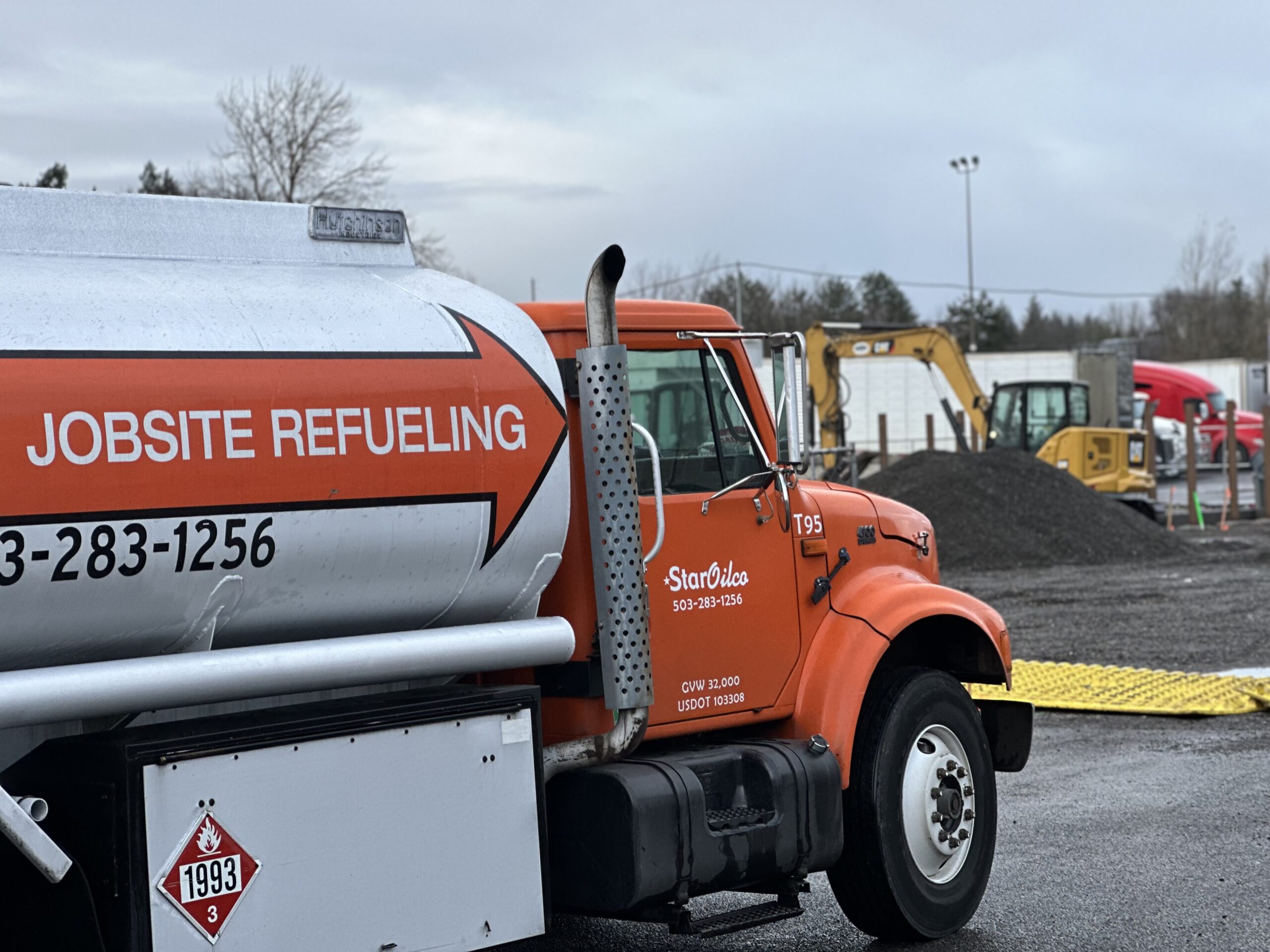
Star Oilco delivers dyed diesel directly to construction sites throughout the Portland area and Northwest Oregon.
What Is Dyed Diesel for Construction?
Dyed diesel is diesel fuel that contains a red dye identifying it for qualifying nontaxable uses.
On a construction site, it is commonly used in equipment that operates off public roads.
That can include:
Excavators | Bulldozers | Wheel loaders | Skid steers | Backhoes | Cranes | Pavers | Trenchers | Compactors | Compressors | Generators | Pumps | Other off-road construction equipment

The fuel itself is dyed so it can be distinguished from clear diesel used in highway vehicles. For a contractor, the important question is not whether the equipment has a diesel engine. The important question is how that equipment is being used.
Can Dyed Diesel Be Delivered Directly to Construction Equipment?
Yes.
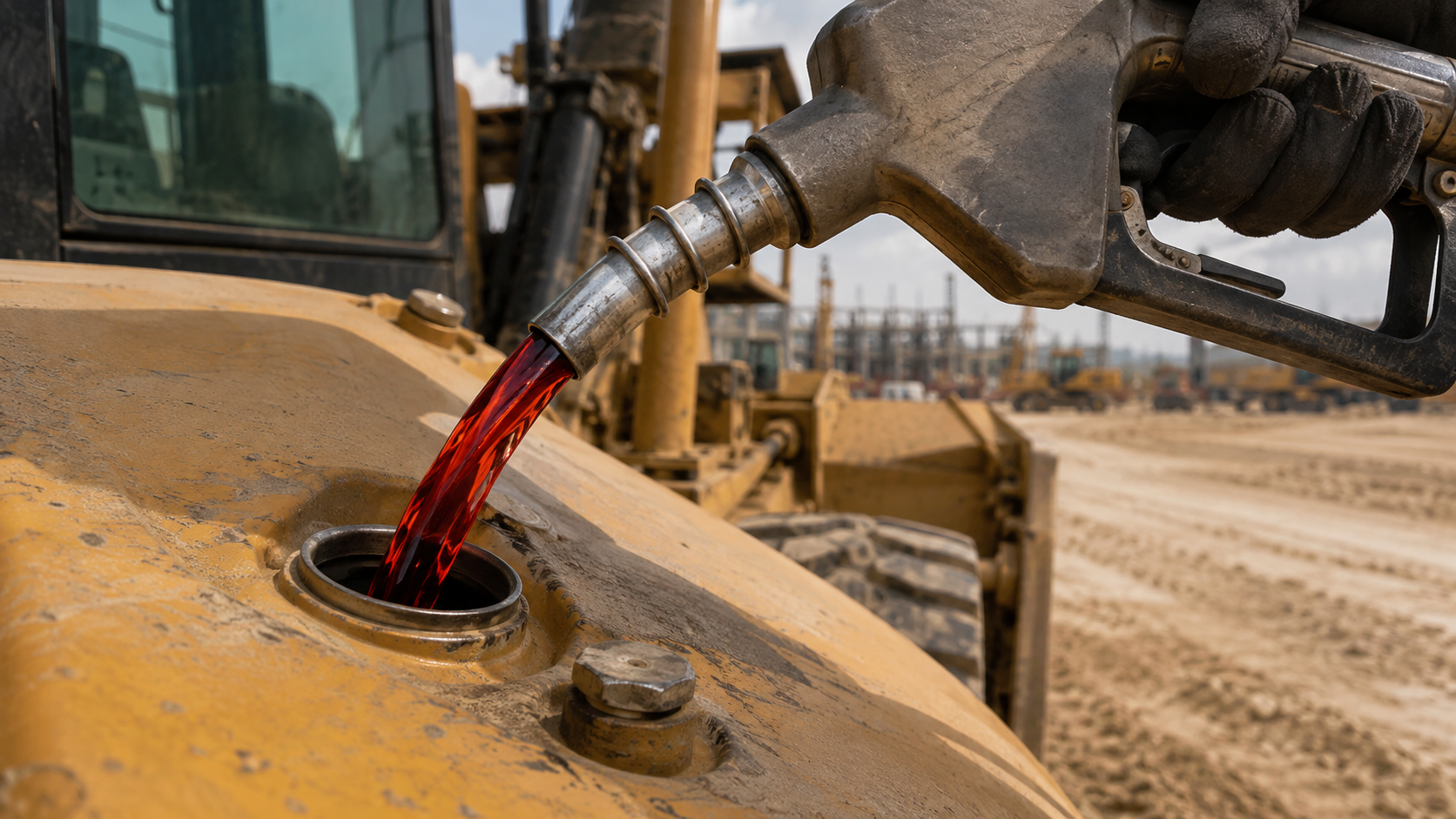
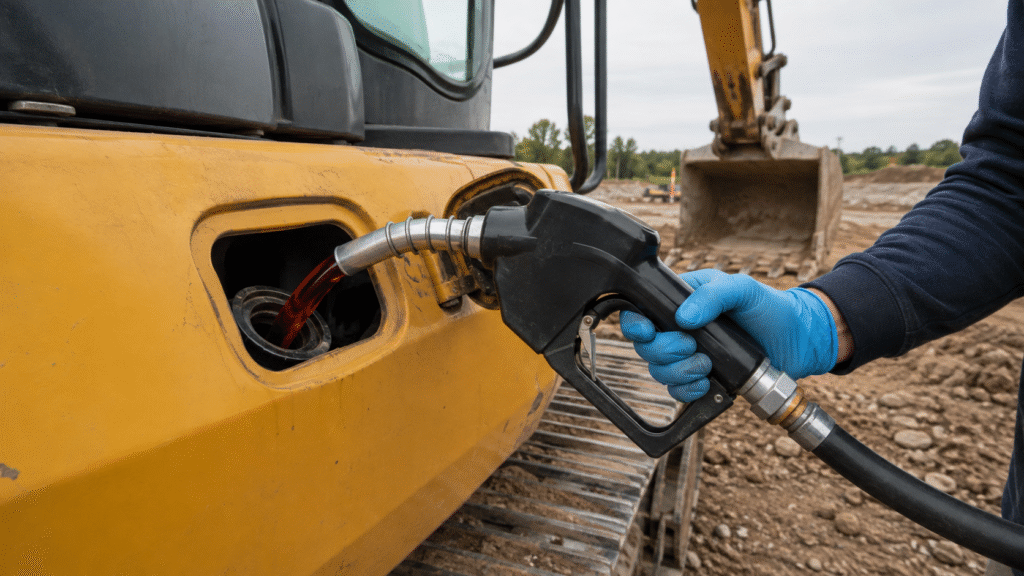
One option is direct-to-equipment fueling, sometimes called wet hosing. With this type of service, a fuel truck comes to the project and fuels equipment directly. Instead of operators bringing equipment to the fuel, the fuel comes to the equipment. This can work well for projects with multiple machines spread around a site or equipment that is difficult to move.
Depending on the project schedule, fueling can also be coordinated around shifts so equipment is ready when crews arrive.
What Construction Equipment Can Use Dyed Diesel?
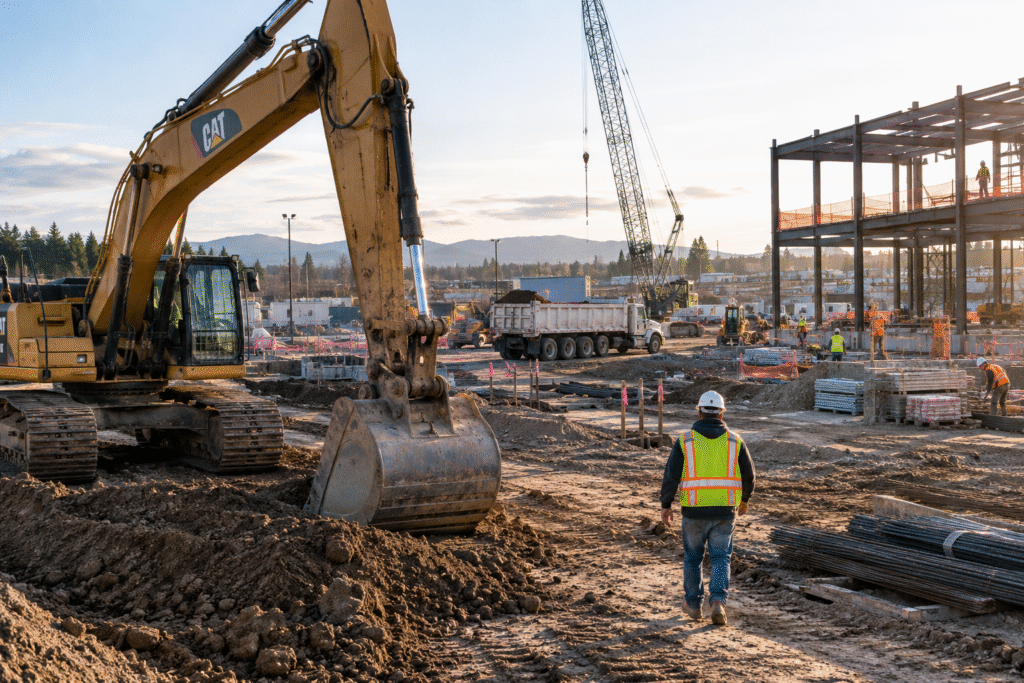
Many pieces of heavy equipment spend their entire working life on jobsites rather than public highways. Those are the types of machines where dyed diesel is commonly used.
An excavator digging foundations, a loader moving material around a site, or a generator supplying temporary power are all typical examples.
Equipment that regularly travels on public roads is different.
For example:
Excavator working on the jobsite: Dyed diesel may be appropriate.
Skid steer working around the site: Dyed diesel may be appropriate.
Generator powering the project: Dyed diesel may be appropriate.
Pickup truck driving employees to the project: Clear highway diesel should be used.
Dump truck traveling public roads: Highway fuel rules apply.
It is common for a construction company to need both dyed diesel and clear diesel on the same project.
Why Do Contractors Use Dyed Diesel?
There are a few reasons dyed diesel makes sense for qualifying construction equipment.
Lower Fuel Cost
Dyed diesel is generally less expensive than highway diesel because certain highway-related fuel taxes do not apply when the fuel is used for a qualifying purpose.
When a project is running several pieces of heavy equipment every day, even a relatively small difference in fuel cost can become meaningful.
Convenient Onsite Fueling
Fueling heavy equipment at a gas station is usually not practical.
Instead, dyed diesel can be delivered directly to the jobsite.
That allows contractors to keep fuel where the equipment is actually working.
Less Equipment Downtime
Sending employees offsite for fuel takes time.
It can also mean transporting fuel in smaller quantities, coordinating drivers, and interrupting work during the day.
Having fuel delivered to the site helps keep equipment running and operators focused on the project.
Better Fuel Planning
Larger projects can burn through diesel quickly.
Scheduled fuel delivery makes it easier to plan around the amount of equipment running, expected hours of operation, and upcoming phases of the project.
Can I Put a Dyed Diesel Tank on a Construction Site?
For many construction projects, an onsite fuel tank is the simplest option.
Instead of fueling every machine directly from a delivery truck, Star Oilco can deliver dyed diesel into a tank located at the project.
Your operators can then fuel equipment as needed.
An onsite tank can be especially useful when:
- A project will run for several weeks or months
- Multiple machines are using diesel every day
- Equipment operates long shifts
- The site is far from convenient fueling locations
- Fuel needs to be available early in the morning or after normal business hours
The right tank size depends on how much fuel your equipment burns and how frequently you want deliveries.
Star Oilco can help determine what type of fueling setup makes sense for the project.
How Much Dyed Diesel Does a Construction Site Need?
There is no single answer because every project is different.
A small excavation project with a skid steer and mini excavator may use a relatively modest amount of fuel.
A large site running excavators, loaders, dozers, generators, cranes, and other equipment can use hundreds or even thousands of gallons over the course of a project.
A useful way to estimate your fuel needs is to look at:
- Number of diesel-powered machines
- Equipment fuel tank sizes
- Expected operating hours per day
- Number of workdays per week
- Generator runtime
- Project duration
- Expected changes in equipment during different project phases
If you are not sure how much fuel you will need, your fuel supplier can help estimate delivery volume and frequency.
Dyed Diesel Delivery vs. Fueling Equipment Yourself
Some contractors start a project by sending employees to pick up fuel in portable tanks.
That can work for a very small job, but it becomes inefficient as fuel usage increases.
Consider the time involved in:
- Driving to get fuel
- Waiting at a fueling location
- Transporting the fuel back to the jobsite
- Moving fuel around the site
- Tracking who is responsible for refueling
- Stopping equipment when fuel runs low
For larger projects, bulk delivery or direct-to-equipment fueling can remove much of that work.
The goal is simple. Keep the equipment operating and keep your employees working on the project instead of making fuel runs.
Spend Less Time Making Fuel Runs
Star Oilco can help keep your construction equipment fueled onsite so your crew can stay focused on the job.
Is Dyed Diesel Different From Regular Diesel?
The biggest visible difference is the red dye.
The dye identifies fuel intended for qualifying nontaxable use.
Federal fuel-tax rules provide for dyed diesel fuel used for qualifying nontaxable purposes.
There can also be different diesel products available depending on your project and equipment.
Star Oilco can supply construction projects with fuel options that include:
- Dyed ULSD
- Biodiesel blends
- Dyed renewable diesel
- Clear highway diesel
- Gasoline
- Other fuels required for specific project needs
The right product depends on your equipment, project requirements, and fuel specifications.
Can You Use Dyed Diesel in Construction Trucks?
This is an important distinction.
Just because a truck is owned by a construction company does not mean it can use dyed diesel.
Oregon treats diesel used to propel vehicles on public roads as taxable use fuel.
That means normal highway vehicles should not be filled with dyed diesel just because they are being used for construction work.
Examples include:
- Pickup trucks
- Service trucks
- Delivery vehicles
- Highway dump trucks
- Other vehicles regularly driven on public roads
A construction site may therefore have dyed diesel for heavy equipment and clear diesel for highway vehicles.
If you are unsure which fuel belongs in a particular piece of equipment, check the current Oregon fuel rules before fueling it.
Direct-to-Equipment Fueling or Onsite Tank?
The best option depends on your project size, equipment, and fuel demand.
Direct-to-equipment fueling works well when machines are spread across the site or difficult to move. Onsite tanks are better for longer projects with steady fuel usage.
Star Oilco can help you choose the setup that keeps your equipment fueled with less downtime.
How Should You Store Dyed Diesel on a Construction Site?
Fuel storage should be planned before the tank arrives.
A jobsite fuel tank should be located where delivery trucks can safely access it and where equipment operators can fuel without interfering with normal site operations.
The exact requirements will depend on the tank, site, project, and applicable safety or environmental rules.
In general, contractors should think about:
- Delivery truck access
- Equipment access
- Tank protection
- Spill prevention
- Fuel security
- Clear labeling
- Keeping dyed and clear diesel separate
- Who is authorized to dispense fuel
A little planning at the beginning of a project can make fueling much easier for the rest of the job.
How Often Should a Construction Site Get Fuel Delivered?
Delivery frequency depends on how quickly the project uses fuel.
Some projects may only need occasional deliveries.
Busy jobsites may need fuel several times per week or on a regular scheduled route.
The best approach is to avoid running the tank too low before ordering fuel.
If your crew waits until the tank is nearly empty, a delayed delivery can quickly turn into equipment downtime.
Scheduled or keep-full delivery can make fuel management easier by maintaining fuel onsite based on the project’s expected usage.
What Happens If a Construction Project Runs Out of Diesel?
Running out of fuel can affect more than one machine.
If a loader, excavator, generator, or other important piece of equipment runs dry, other parts of the project can slow down while crews wait for fuel. That is why fuel planning should be treated like any other jobsite supply.
Contractors already schedule concrete, materials, equipment, dumpsters, and subcontractors.
Fuel should be planned the same way.
Knowing your average daily usage and setting a reorder point can help prevent unnecessary downtime.
Dyed Diesel Delivery for Portland Construction Sites
Star Oilco provides construction fuel delivery throughout the Portland metro area and surrounding parts of Northwest Oregon. We can deliver dyed diesel directly to equipment or provide fuel for an onsite construction tank.
Depending on the project, we can help with:
Dyed diesel delivery | Direct-to-equipment fueling | Construction fuel tanks | Scheduled fuel delivery | Keep-full fueling | Clear diesel | Renewable diesel | Biodiesel blends | Generator fuel | Gasoline | DEF and other project fueling needs
Whether you are running one excavator or managing fuel for a large construction project, the goal is the same.
Keep your equipment fueled so your crews can keep working.
Need Dyed Diesel for a Construction Project?
Tell Star Oilco what equipment you are running, where the project is located, and approximately how much fuel you expect to use.
We can help determine whether direct fueling, an onsite tank, or scheduled bulk delivery makes the most sense for your project.
Call Star Oilco at 503-283-1256
Questions about whether a specific vehicle or piece of equipment qualifies for dyed diesel can depend on how it is being used. For questions about Oregon fuel-tax requirements, consult current Oregon Department of Transportation guidance or a qualified tax professional.