
Blog

Fueling Around Blog

Close-up of calculator and printed fuel cost audit spreadsheet
What’s in a “Keep it Simple Fuel Audit” 1024 683 Star Oilco

What’s in a “Keep it Simple Fuel Audit”

How do you compare different fuel card vendors?

You audit your fuel bill.

We will help you clarify your bill by showing what you pay, what’s in that cost of fuel, and how you can save going forward. We do this by concentrating on one fact: there are only three fees in the total cost of a gallon of gas or diesel.

The three verifiable costs in a gallon of fuel are:

  1. The commodity cost of fuel (the wholesale and verifiable fuel cost itself),

  2. The fuel taxes charged by the feds, state, and local governments on top of that, and;

  3. The margin your fuel vendor puts on top of those two very transparent costs.

Fuel bill audit best practices

Tax time is a good time to revisit your policies and systems.

Let us audit your bill and catch inconsistencies and over charges.

We have a transparent way to analyze your fuel expense that breaks it down in an easily understood format. Our approach will demystify what you’re paying in fuel so you can grab control of your gasoline and diesel bills. Our mission is to ‘Keep it Simple’ and make fuel make sense. There are several types of expenses that get added to your cost of fuel.

Pacific Pride Fuel Security

At Star Oilco, we ‘Keep it Simple’ when analyzing fuel bills.

Today, two trends can be witnessed in the Pacific Northwest: fuel prices are all over the place, and wages are rising against that trend. This makes managing for a low cost of gasoline or diesel extremely hard given the labor that might be involved in chasing that price.

Add to that the fact that retail gas stations are keeping more margins than ever in retail fuel history. With minimum wage at $15 in parts of the Pacific NW, the cost of retail gas stations is rising faster than inflation.

Stand-alone commercial cardlock locations such as Pacific Pride and CFN help you save on your own labor, as well as avoid the higher retail cost. One additional feature is you can audit a commercial cardlock fuel seller against the commercial wholesale rack price. Retail sellers promising discounts are discounting from a posted price that is based solely on what they decide a good price can be. Today, that’s a historically high margin above wholesale cost price.

Dig into your bill for an understanding of what you are paying and what you are paying for. Let us demystify the fees, charges, and hard-to-understand line items of our competitors. It seems that many of our competitors, much like cell phone companies, want to give you a bill that is as complex as possible so it’s difficult for you to understand your cost of fuel.

We can clarify your bill by showing what you pay, what’s in that cost of fuel, and how you can save going forward. Commodity cost of the fuel, fuel taxes and the margin of the vendor make up every fuel bill.

Wholesale Fuel Cost + Taxes + Margin = Total Fuel Cost

These three costs can be audited and confirmed. When we quote a prospective customer, we take their existing fuel bill and break it down into a spreadsheet that is easy to understand thanks to these definable costs. Take your existing fuel bill. Choose a few locations that are most commonly used by your fleet. Usually just the two most-used sites are enough to gauge if savings can be gained by changing vendors. Focus on the cost there, as this simplifies your focus as a representative sample of your fuel expenses.

In a spreadsheet, make easy-to-read tabs for each fuel and location. Then gather the dates fuel was bought at each location. Place the date and the price per gallon paid in their own columns. Now you know your cost. In the next column, enter the wholesale price of fuel to compare. This is going to be pretty close to what your fuel vendor was paying for it on that day give or take a few pennies.

The commodity cost of fuel is established in the market. Though different size players have discounts, these discounts are usually pennies per gallon and aren’t substantial overall. You can request a 30 day free trial of the Oil Price Information Service or “OPIS” for your local wholesale market for fuel. Government bids often use this service as a transparent bid price for fuel. NOTE: If you are buying with a Pacific Pride or CFN fleet card that uses stand-alone 24-7 commercial cardlock sites, the price will be based on OPIS as well. If you want help with this, Star Oilco can provide you with a copy of OPIS.

After that, the next column is the fuel taxes on that fuel. In another column next to the wholesale cost of fuel, you place the local taxes associated with that fueling site. Your state will usually have a “Fuel Tax Group” or some variation of that name where the state’s website will list all state and municipal taxes.

After seeing the wholesale cost and fuel taxes charged, all that remain is the margin. Many fuel sellers will try to complicate this by passing costs through, but at the end of the day, this is still their markup regardless of what they call it. This enables you to really have a discussion on what price you are charged to use their fleet card.

Our next step is to determine the typical margin you are being charged. Take the real price you paid on a day. Your next column on the spreadsheet will be the following formula:
NOTE: Margin Charged is the result that should be in your new column.

(Cell with the ACTUAL PRICE PAID) – (Cell with the WHOLESALE COST) – (Cell with FUEL TAXES) = MARGIN CHARGED

If you line up all the days for MARGIN CHARGED and average those (select a cell at the bottom of the column and type “=AVG” and select the data in the MARGIN CHARGED column), you will find the average margin. Usually this is about the same on every one of the sheets for the type of fuel you are buying. Diesel and gasoline margins are typically different. Retail gas stations, in particular, will treat diesel like a premium product so don’t be surprised if those margins are over $.40 a gallon in some places.

If you want help with this, call us!

We will empower you with the knowledge of what your vendor is charging you and determine if it is a fair price for the service. Beyond that, there should be no other costs. If your vendor has other costs (fees, invoice charges, etc.), we’ll show you what those really cost per gallon so you understand your true cost fuel.
Star Oilco makes this clear and easy to understand. Let us know if we can help.

Contact Form

  • This field is for validation purposes and should be left unchanged.


Call for service.


Mobile fuel card app interface showing pump activation and driver info
Save money with a commercial fuel card 1024 544 Star Oilco

Save money with a commercial fuel card

Save money with a commercial fuel card by avoiding the credit card retail price and preventing fuel theft in your business.

How do you avoid the higher credit card prices at gas stations?

Buy Your Fuel at a Commercial Cardlock

Make sure that employee fuel theft is not robbing from your bottom line.


  • Buy Diesel from Pacific Pride and CFN Commercial Cardlocks over retail gas stations.
  • Use a secure Fleet Card that ensures that employee theft is locked down.
    • Make sure your company’s Fleet Card is secured for:
      • A Fleet Card attached to the individual vehicle with a secure identifiable PIN for each employee.
      • Only the times of day you operate.
      • Only the days of the week you operate.
      • Only the fuel products your vehicle uses.
      • A limited number of transactions a day to ensure if a card gets misused the amount is extremely reduced.
      • A real time “E-Receipt” that notifies you of fuel purchases in real time to better manage employees for your fuel costs.

Wholesale pricing at a Pacific Pride commercial cardlock

 Take control of your fuel spend by buying wholesale instead of retail gasoline.

Over the last year fuel costs have jumped to record highs.   Retail gas and diesel prices in particular are high compared to wholesale market purchasing opportunities for fleets.  Retail posted prices for credit card purchases further increase the cost on your business.

Commercial gas station cards that direct your fleet to buy fuel at convenience stores cost far more than the posted price for fuel.  Many of these gas stations also price diesel fuel with the same mark up as premium gasoline. By getting your employees out of the retail fuel line save in several ways.

How do you save with Commercial Cardlock over a retail gas station?

PRODUCTIVITY – Get out of retail gas lines and self serve your fleet 24-7-365.

PURCHASE CONTROLS – Lock down your fleet cards by vehicle, fuel type, time of day, and Zip Codes to ensure a either a well meaning employee doesn’t buy the wrong product or  a stolen wayward card does not rob from your bottom line.

WHOLESALE AVERAGE BASED PRICING – Buy your diesel and gasoline from a verifiable wholesale index.  Pacific Pride Commercial Cardlock sites are all based from an auditable OPIS Average market index plus our agreed margin. Know what and why you are paying for fuel.  (NOTE: Star Oilco will gladly help you audit your current fuel purchase program)

FLEXIBLE – Star Oilco can combine our fleet card program with Mobile Onsite Fueling and our billing simplifies your fuel program management by consolidating all purchases by your license plates on one invoice. Our Mobile Onsite Fueling and Commercial Cardlock invoices are combined showing you all purchases on one invoice also available for export in a CSV file.

You will first of all pick up productivity, a lack of managerial control, as well as a system that conceals employee theft is tied to the cost of buying fuel.  Move your fleet fuel purchases to Pacific Pride’s network card and save per gallon as well by restricting the fuel purchases you would not want.

Now is the time to look at your total cost of fuel

Let us help you audit your fuel program

We will help you clarify your bill by showing what you pay, what’s in that cost of fuel, and how you can save going forward. We do this by concentrating on one fact: there are only three fees in the total cost of a gallon of gas or diesel.

How we approach buying commercial fuel with a gas card.  There are only three parts of your fuel cost.  Let us help you understand what you pay for fuel:

  1.    The commodity cost of fuel (the wholesale and verifiable fuel cost itself),

  2.    The fuel taxes charged by the feds, state, and local governments on top of that, and;

  3.    The margin your fuel vendor puts on top of those two very transparent costs.

Tax time is a good time to revisit your policies and systems.

Let us audit your bill and catch inconsistencies and over charges.

We have a transparent way to analyze your fuel expense that breaks it down in an easily understood format. Our approach will demystify what you’re paying in fuel so you can grab control of your gasoline and diesel bills. Our mission is to ‘Keep it Simple’ and make fuel make sense. There are several types of expenses that get added to your cost of fuel.

Pacific Pride Fuel Security

At Star Oilco, we ‘Keep it Simple’ when analyzing fuel bills.

Today, two trends can be witnessed in the Pacific Northwest: fuel prices are all over the place, and wages are rising against that trend. This makes managing for a low cost of gasoline or diesel extremely hard given the labor that might be involved in chasing that price.

Add to that the fact that retail gas stations are keeping more margins than ever in retail fuel history. With minimum wages approaching $15 in parts of the Pacific NW, the cost of retail gas stations is rising faster than inflation.

Stand-alone commercial cardlock locations such as Pacific Pride and CFN help you save on your own labor, as well as avoid the higher retail cost. One additional feature is you can audit a commercial cardlock fuel seller against the commercial wholesale rack price. Retail sellers promising discounts are discounting from a posted price that is based solely on what they decide a good price can be. Today, that’s a historically high margin above wholesale cost price.

Dig into your bill for an understanding of what you are paying and what you are paying for. Let us demystify the fees, charges, and hard-to-understand line items of our competitors. It seems that many of our competitors, much like cell phone companies, want to give you a bill that is as complex as possible so it’s difficult for you to understand your cost of fuel.

We can clarify your bill by showing what you pay, what’s in that cost of fuel, and how you can save going forward. Commodity cost of the fuel, fuel taxes and the margin of the vendor make up every fuel bill.

Wholesale Fuel Cost + Taxes + Margin = Total Fuel Cost

These three costs can be audited and confirmed. When we quote a prospective customer, we take their existing fuel bill and break it down into a spreadsheet that is easy to understand thanks to these definable costs. Take your existing fuel bill. Choose a few locations that are most commonly used by your fleet. Usually just the two most-used sites are enough to gauge if savings can be gained by changing vendors. Focus on the cost there, as this simplifies your focus as a representative sample of your fuel expenses.

In a spreadsheet, make easy-to-read tabs for each fuel and location. Then gather the dates fuel was bought at each location. Place the date and the price per gallon paid in their own columns. Now you know your cost. In the next column, enter the wholesale price of fuel to compare. This is going to be pretty close to what your fuel vendor was paying for it on that day give or take a few pennies.

The commodity cost of fuel is established in the market. Though different size players have discounts, these discounts are usually pennies per gallon and aren’t substantial overall. You can request a 30 day free trial of the Oil Price Information Service or “OPIS” for your local wholesale market for fuel. Government bids often use this service as a transparent bid price for fuel. NOTE: If you are buying with a Pacific Pride or CFN fleet card that uses stand-alone 24-7 commercial cardlock sites, the price will be based on OPIS as well. If you want help with this, Star Oilco can provide you with a copy of OPIS.

After that, the next column is the fuel taxes on that fuel. In another column next to the wholesale cost of fuel, you place the local taxes associated with that fueling site. Your state will usually have a “Fuel Tax Group” or some variation of that name where the state’s website will list all state and municipal taxes.

After seeing the wholesale cost and fuel taxes charged, all that remain is the margin. Many fuel sellers will try to complicate this by passing costs through, but at the end of the day, this is still their markup regardless of what they call it. This enables you to really have a discussion on what price you are charged to use their fleet card.

Our next step is to determine the typical margin you are being charged. Take the real price you paid on a day. Your next column on the spreadsheet will be the following formula:
NOTE: Margin Charged is the result that should be in your new column.

(Cell with the ACTUAL PRICE PAID) – (Cell with the WHOLESALE COST) – (Cell with FUEL TAXES) = MARGIN CHARGED

If you line up all the days for MARGIN CHARGED and average those (select a cell at the bottom of the column and type “=AVG” and select the data in the MARGIN CHARGED column), you will find the average margin. Usually this is about the same on every one of the sheets for the type of fuel you are buying. Diesel and gasoline margins are typically different. Retail gas stations, in particular, will treat diesel like a premium product so don’t be surprised if those margins are over $.40 a gallon in some places.

If you want help with this, call us!

We will empower you with the knowledge of what your vendor is charging you and determine if it is a fair price for the service. Beyond that, there should be no other costs. If your vendor has other costs (fees, invoice charges, etc.), we’ll show you what those really cost per gallon so you understand your true cost fuel.
Star Oilco makes this clear and easy to understand. Let us know if we can help.

Contact Form

  • This field is for validation purposes and should be left unchanged.


For more on what is required to self serve gasoline as a small business in Oregon.

For more on Fueling Solutions developed for small businesses dedicated to managing a fleet and drivers for local Delivery. 

Call for service.


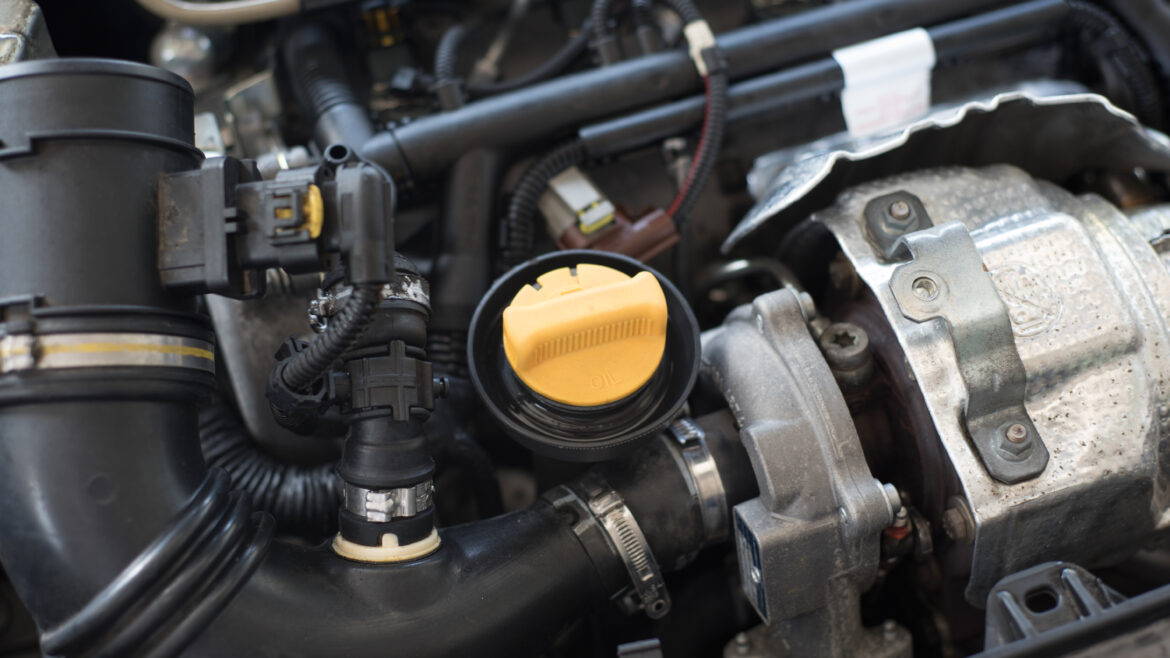
Close-up of diesel engine with visible oil cap, piping, and metal components
Bulk diesel desiccant filters, dry fuel, and keeping your diesel fuel clean. 1024 684 Star Oilco

Bulk diesel desiccant filters, dry fuel, and keeping your diesel fuel clean.

Bulk diesel fuel delivery and storage best practice.

Use Desiccant Breathers and Premium Diesel additives to improve your diesel performance and reduce maintenance cost.

Save tens of thousands on fleet maintenance costs!

How? Clean, dry, and premium-treated diesel.

Reduce injector wear and particulate trap service needs with simple steps focused on fuel quality. Get the water and dirt out of your fuel with aggressive filtration and then upgrade the fuel’s lubricity, detergency, cetane, and performance with Hyrdrotex Power Kleen premium diesel.

Call Star Oilco if you want to permanently solve bulk diesel quality issues with our Precision Fuel Management program.

Do you have a bulk diesel storage tank?

Does that tank seem to have water in the bottom of it and you can’t seem to figure out where it’s coming from?

You call your diesel supplier and they say they know it isn’t them. If that’s your experience, Star Oilco can explain where that water is probably coming from. With the help of Hydrotex, Star Oilco can also lab test your fuel quality and prove we are in improving it as well.

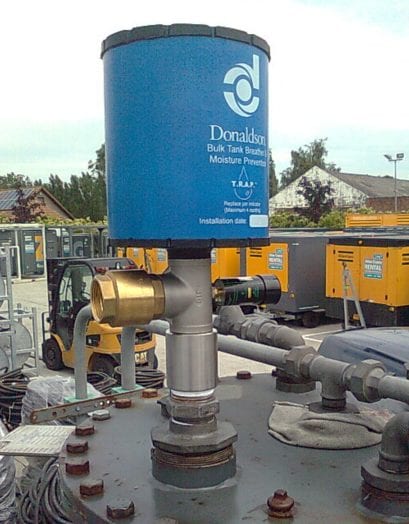
desiccant filter in field

All storage tanks are different. But for the most part, if your tank seems to take on water randomly. It’s probably from the tank breathing. Especially if you have a large above ground tank. In fact, if you tracked it on a calendar it probably happens the same time of year in conjunction with a weather pattern your tank responds to.

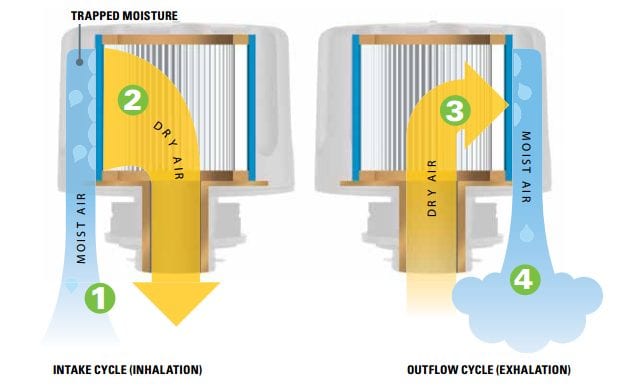
How it works is as the temperature changes the tank’s space that is not filled with fuel will breathe in and out. The temperature and air pressure move air in and out of the tank. As does dispensing fuel out of the tank and then refilling the tank. When that happens, especially if you have a significant amount of humidity in the air or misting rain, water makes it’s way into your fuel supply. As temperatures change, moisture is drawn into the tank, condenses on the inner wall of the tank, and then deposits itself on the bottom of the tank.

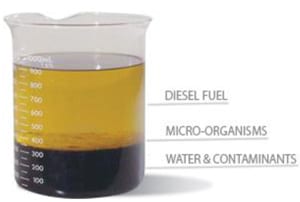
This water not only poses a risk to your engines, but if your fuel isn’t treated for stability and performance, that fuel is guaranteed to start growing bugs and algae that will spread throughout your fleet and will have your mechanics spinning filters and dealing with random problems due to this diesel biological growth.

This problem is also exacerbated by ineffective fuel additives trying to keep your fuel dry, clean and safe for your injectors to process, which ensures that water does not get absorbed by your diesel. A single drop of water falling out of solution in today’s high pressure fuel rails and your engine can blow an injector.

HOW DO YOU SOLVE WATER IN YOUR DIESEL TANK?

ANSWER: DESICCANT BREATHERS ON YOUR VENTS

Desiccant diagram

Star Oilco recommends Donaldson desiccant filters, given their excellent full line of products and support. More on the full Donaldson Clean Dry Fuel program here: Donaldson Clean Diesel Kits Brochure.

The Donaldson desiccant breaker mounts to the top of a tank at it’s vent point. This addition seals the point of failure for water to get into your tank. Though in some cases it doesn’t stop 100% of water from ending up in your fuel tank, it definitely guarantees you know where it won’t be coming from, the environment around your tank.

(NOTE: If dealing with underground storage tanks also be aware that if you seal the vent with a desiccant filter and you still have incident’s of water, it might be a leak in the bottom of the tank where rain water is making its way into the tank.)

By using Donaldson filters, Star Oilco also gains the benefit of support from Hydrotex PowerKleen diesel fuel lab to analyze fuel to guarantee that the before and after samples of the fuel are moving as expected and the problem is solved. Running diesel samples can cost as much as $200 each time–having a partner that backs up our solutions with ASTM and ISO measured verification is a must.

The first step in getting better performance from your diesel fuel is to test your bulk diesel storage tank.

To get a complementary ASTM diesel fuel test, contact Star Oilco for assistance.

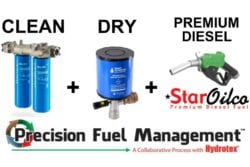
Clean, dry, premium diesel

Tank Testing Form

  • This field is for validation purposes and should be left unchanged.
Close-up splash of diesel fuel in liquid form
Fuel Filtration-Clogged Filters-Cleaning Them Up. 1024 678 Star Oilco

Fuel Filtration-Clogged Filters-Cleaning Them Up.

Has your fleet experienced black diesel fuel or clogged fuel filters?  
Do you wonder what makes diesel go bad or cause further issues?  

contaminated_diesel

In most cases, it’s water and dirt in the fuel leading to further degradation over time. If gone unchecked it will lead to mechanical failures in your fleet.


Donaldson Filter has a great educational video about the high stakes importance of aggressive filtering of your diesel prior to going into your fleet. Today aggressive filtering and ongoing quality assurance of your fuel is a must. Star Oilco calls this Precision Fuel Management and we offer it to all of our bulk fuel customers.

Precision Fuel Management is the ongoing improvement of your diesel fuel quality.

This is done by adding aggressive Donaldson filtration to the dispenser on your diesel tank or filtering fuel on Star Oilco’s Mobile Onsite trucks when wet hosing our customers). For bulk storage tanks, we include a Donaldson desiccant breather to the vent on your tank to scrub moisture from the air as it is pulled into your tank, as well as Hydrotex PowerKleen Premium Diesel Additive. In addition to these best practices Star Oilco will also sample your tank bottom, as well as take a representative sample out of your diesel nozzle and lab test this fuel according to the ULSD ASTM standard D975, as well as check for the ISO cleanliness level of your fuel. We test twice a year going into Summer and Winter to confirm if there is water on the bottom of your tank as well as any worries about dirt, biological growth, or any other recurring, but preventable fuel quality problems.

NOTE: ASTM D975 is the specification for ultra low sulfur diesel in the United States. ISO Cleanliness is a standard to check for microscopic dirt that can harm the performance of your engine systems long term if it’s getting past your engine filtration. 

https://staroilco.net/bulk-fuel/biofuels/precision-fuel-management/

Diesel technology has advanced a long way in the last decade to meet the extremely high emission standards of the EPA and CARB for diesel engines. What this advanced diesel tech means is that your engine has extremely high-operating fuel pressures and extremely tight tolerances for the fuel acceptable to the long term use of your engine.

What does this mean in a nutshell?

High operating fuel pressures and tight tolerances in the fuel rail mean dirt and water can destroy injectors and affect the operation of your fleet. These two contaminants (dirt and water) are the source of most other fuel-related problems and therefore your highest exposure to preventable maintenance cost. If you have experienced unexplained fuel filter spinning, failed injectors, and DPF maintenance that is more than normal, it may be fixable with Precision Fuel Management.

Precision Fuel Management is aggressive filtration at the fuel dispenser combined with PowerKleen Premium Diesel and a clean dry tank bottom that is sampled and tested regularly. If you want to look into cleaning up your bulk fuel, give Star Oil a call. Our first step is a complementary test of your fuel.

If you have an immediate concern about biological growth and long-term storage with your diesel, we recommend an alternative stopgap measure. Treat your fuel with Bioguard Plus 6 to kill the bugs growing in your diesel fuel.

Fill out the form to get a complementary diesel tank test for ASTM and ISO cleanliness of your fuel.

Tank Testing Form

  • This field is for validation purposes and should be left unchanged.

home insulation representing energy efficiency for renewable fuel standard compliance in Portland Oregon
Portland Renewable Fuel Standard Explained 1024 683 Star Oilco

Portland Renewable Fuel Standard Explained

Did you hear about the time Portland banned fossil fuel diesel?

Portland is making a big move to provide cleaner air and reduce greenhouse gas emissions. Portland has implemented what’s called the Renewable Fuel Standard (RFS) beginning  its first phase on May 15th, 2024. The RFS policy in Portland mandates that there has to be an increase of use of low-carbon biofuels in diesel within city limits of Portland. This is part of the ultimate Climate Emergency plan. This RFS mandate was first implemented in 2006 as a B5 (5%) Biodiesel blend mandate with the goal of mandating a 20% blend. The RFS is the first of its kind not only in Oregon but in the entire United States. Portland’s reputation as a leader in environmental sustainability efforts continues. 

Portland’s Phases To Implement Almost 100% Renewable Diesel

What makes Portland’s mandate unique is the requirement that the biofuels have a CO2 value so low it bars most American made biodiesels. The blending requirement starts at 15% in 2024, and then it will steadily increase to 50% by 2026 and will reach 99% by 2030. This schedule demonstrates how Portland’s low-carbon ambition is present to transition away from fossil fuels and promote alternative energy sources.

This policy is expected to reduce air pollution and carbon emissions. It will also create new markets for biofuels, which will lead to increased economic opportunities. This will ultimately help the city become a more sustainable and environmentally friendly place to live as Portland has taken the lead in striving for sustainability over the years.

The policy will also help create jobs in the biofuel industry and provide opportunities for businesses to switch to renewable energy sources. It will also help reduce the city’s dependence on fossil fuels and protect the environment for future generations.

Want to learn more about meeting Portland’s requirements for the Renewable Fuel Standard mandate?

landscape view of Mount Hood representing Star Oilco’s fuel delivery service area in Oregon

Focus on Lower-Emission Biofuels

Uniquely, Portland’s RFS goes beyond just the biofuel blend. It also sets a strict carbon intensity (CI) standard for the biofuels themselves. This ensures the biodiesels used have a significantly lower carbon footprint compared to traditional options. Biodiesels produced domestically often fall short of this CI requirement, prompting many suppliers to look to renewable diesel sources. This focus on biofuels with a lower lifecycle carbon footprint makes Portland’s RFS even more impactful in reducing greenhouse gas emissions.

Iconic Portland sign on Broadway at dusk with city buildings in the background

Exemptions and Implementation Details

The initial phase of the RFS targets on-road diesel sales. This applies to diesel purchased at gas stations, by mobile fueling companies, and for use in large stationary tanks. However, the long-term goal includes all diesel use within the city. Some temporary exemptions apply to off-road diesel uses such as heating oil, generator fuel, aircraft fuels, watercraft fuels, and other dyed fuel users. One local truck stop, Jubitz Truckstop, was granted a temporary exemption. This is likely due to concerns about disrupting critical transportation operations. Daimler (the manufacturer of Freightliner and Western Star trucks) has a research facility in Portland. Daimler was also granted an exemption to meet their specific fuel needs for testing purposes. 

The RFS enforces compliance through fuel sampling and requires documentation proving the fuel meets the minimum biofuel content and CI standards. Businesses that purchase diesel need to be able to show their compliance through bills of lading (BOLs) or similar records from their fuel provider, like Star Oilco. If a business does not comply and provide this documentation, it can result in pretty hefty fines. First offenses can be a fine of $10,000 per day. Repeat offenders will end up facing even bigger penalties of up to $15,000 per day. These fines can really show the impact of how serious Portland is taking this initiative. 

Impact on Businesses and Consumers

While residential consumers who don’t purchase diesel directly are not directly impacted, businesses purchasing diesel, especially in bulk, will need to adapt to the new regulations. This may involve acquiring documentation from fuel suppliers or entering into contracts guaranteeing compliant fuel blends. Wholesale fuel distributors, who sometimes purchase from multiple vendors and blend fuel mid-route, may face additional challenges in tracking the biofuel content and CI of their product. However, as the program matures, the industry is expected to adapt and streamline these compliance procedures.

Contact Us Today To Discuss What This Means For Your Business

A Step Forward for Cleaner Transportation

Portland’s ambitious RFS sets a new expectation for sustainable transportation. Promoting low-carbon biofuels allows Portland to aim to significantly reduce its reliance on fossil fuels and be able to contribute to cleaner air for its residents. The RFS program will be able to serve as a model for other cities that are looking at implementing similar initiatives. Great job Portland for paving the way to a sustainable future for other cities! Although challenges will remain, as businesses adapt to this new norm, Portland’s RFS represents a significant step forward in creating a more sustainable transportation sector.

The RFS program is an important step in the fight towards sustainability and lower carbon fuels. It sends a clear message that cities are willing to take action to reduce emissions and protect the environment. We anticipate that other cities will follow Portland’s lead and create similar initiatives. This will have a significant impact in reducing emissions and helping to protect the environment.

It is a positive step towards a more sustainable future. Alternative fuels have become more and more readily available. Investing in alternative fuels and reducing carbon emissions is essential for protecting the planet for future generations. Governments should prioritize investing in renewable energy sources and incentivize communities to switch to alternative fuel solutions.

Thank you for choosing Star Oilco as your preferred fuel provider in Portland and Vancouver, Washington. Give us a call to discuss how the RFS mandate can affect your business and one of our team members would be happy to discuss this with you.

JOIN THE FUEL MARKET REPORT NEWSLETTER FOR YOUR WEEKLY FILL OF UPDATES!

Name
Golden diesel fuel swirling in abstract motion
Star Oilco Diesel Fuel Quality Assurance 1024 574 Star Oilco

Star Oilco Diesel Fuel Quality Assurance

                                 Star Oilco Diesel Fuel Quality Assurance


Diesel Fuel Tank Cleaner


  • Diesel Fuel Is Often A Company’s Largest Expense. Unfortunately, there is very little control over its quality.
  • Fuel Quality Has Declined over the last 25 years…
  • Engine manufacturers have tightened the tolerances for fuel
  • Newer tier 4 engines starting from 2008 need cleaner fuel


“Over the last two decades, the cetane number and the API gravity, the basic measures of crude oil quality have declined.”


—Society of Automotive Engineers, (SAE) Bulletin 872243


Cetane number is actually a measure of a fuel’s ignition delay. This is the time period between the start of injection and start of combustion (ignition) of the fuel. In a particular diesel engine, higher cetane fuels will have shorter ignition delay periods than lower cetane fuels.

What is a typical API gravity for diesel fuel? The classic book “Petroleum Refinery Engineering” by W.L. Nelson (4th ed., McGraw-Hill, 1958) gives numbers ranging from about 25 to 40 (with “Grade 1-D” around 40 and “Grade 2-D” around 35). In a Web search using the keywords “diesel” and “API gravity” I found a couple of sites with specs for #2 diesel fuel; these had minimum values of 26 and 30 API gravity. So a reasonable guess would be that typical #2 diesel fuel would have an API gravity of about 35; I’ll let you plug that into the above formula to get the specific gravity.

The densities of petroleum products are traditionally (especially in the U.S.) expressed as “API Gravity” The API Gravity is related to the specific gravity by the equation: API = (141.5/SPGR) – 131.5, where the specific gravity is the density relative to that of water and everything is measured at a temperature of 60 degrees F.

MadSci Network © 1997, Washington University Medical School

“Diesel fuel quality has deteriorated for the past 20 years and is expected to continue this trend for the foreseeable future.”

American Society for Testing and Materials, (ASTM) Pub. # 10056


COMMON PROBLEMS WITH 21st CENTURY DIESEL FUEL IN THE PACIFIC NW

Fuel Quality Deterioration

industrial-townProblem 1


Problem 2


Problem 3

Problem 6a


Problem 4


Problem 4a


Problem 5

Problem 3b

Problem 6

The odds are stacked against the fleet owners

what can be done to help alleviate or control the problems?

you have questions, we have the solutions, call us to find out.

 CAll Today

If you have bulk fuel storage, the first step is testing your tank bottom and what is coming out of the nozzle.  Star Oilco can do a complementary ASTM and ISO specification analysis of your diesel fuel.  If you are seeing recurring fuel system issue, the first step is to make sure your bulk storage isn’t the problem. We can help.

Tank Testing Form

  • This field is for validation purposes and should be left unchanged.

Diesel Exhaust Fluid (DEF) Quality, Storage, and Future Considerations 1024 1024 Star Oilco

Diesel Exhaust Fluid (DEF) Quality, Storage, and Future Considerations

Have you ever noticed that Diesel Exhaust Fluid (DEF) often lives in the background until suddenly it’s the reason your fleet can’t meet emissions standards or a system clogs up? DEF quality and storage isn’t just technical noise, it’s vital for keeping your SCR system happy and your operations rolling smoothly. We want to share with you what makes DEF high quality, the best ways to store it, and what trends are shaping its role in diesel emissions systems moving forward.

Diesel Exhaust Fluid (DEF) is a crucial component in modern diesel engines equipped with Selective Catalytic Reduction (SCR) systems. While many fleet operators are familiar with its basic function of reducing nitrogen oxide (NOx) emissions, understanding the intricacies of DEF quality, storage, supply chain considerations, and system maintenance can help businesses optimize efficiency and avoid costly repairs. At Star Oilco, we provide fleets with the knowledge and resources needed to navigate these complexities. This guide will explore the advanced aspects of DEF, from maintaining quality and ensuring proper storage to understanding emerging trends in emissions technology. 

Understanding DEF Quality and Purity 

 The quality of DEF plays a significant role in the performance and longevity of an SCR system. DEF must adhere to ISO 22241 standards, which regulate its composition, concentration, and purity. Using non-compliant DEF can lead to injector clogging, crystallization, and system failures. Even small amounts of contaminants such as dirt, fuel, or water can negatively impact DEF performance and damage expensive SCR components. 

To ensure DEF meets the necessary standards, regular testing should be performed. Refractometers can measure the urea concentration to verify the correct 32.5 percent solution. DEF testing strips can detect impurities, while more advanced lab analysis can help diagnose performance issues related to fluid quality. Purchasing DEF from a reliable, ISO-certified supplier is the best way to avoid contamination and maintain compliance. 

DEF Storage Best Practices to Prevent Contamination 

Proper storage is essential for maintaining DEF integrity. Temperature control is a key factor, as DEF should be stored between 12 and 86 degrees Fahrenheit to prevent degradation. Freezing does not damage DEF, but extreme heat can cause evaporation and reduce its effectiveness. To minimize exposure to environmental factors, DEF should be stored in opaque, UV-resistant containers to prevent sunlight from breaking down its chemical properties. 

Choosing the right storage material is also critical. DEF should be kept in plastic or stainless steel containers, as certain metals such as aluminum, copper, and zinc react with DEF, leading to contamination. Additionally, keeping storage containers sealed will prevent air exposure, which can introduce dust or debris. Managing inventory efficiently is another important aspect of storage. DEF typically has a shelf life of 12 months, but in warmer climates, its lifespan may be reduced to six months. Using a first-in, first-out (FIFO) inventory approach ensures that older stock is used before it degrades. 

Regular inspections and cleaning of storage equipment are also recommended to maintain DEF purity. Be sure to check for residue buildup, leaks, or any signs of contamination in tanks, nozzles, and dispensing systems. Training staff on proper handling procedures can further reduce the risk of accidental contamination. By taking these proactive steps, you can ensure your DEF stays clean, effective, and ready to support emissions compliance.

DEF dispensing station pump showing control panel, hose, and DEF push button

How Temperature Affects DEF Performance 

Temperature fluctuations can significantly impact DEF performance. In cold climates, DEF freezes at 12 degrees Fahrenheit, causing operational challenges for fleets. While frozen DEF does not degrade, it must be properly thawed before use. Heated DEF dispensers and insulated storage solutions can help prevent freezing issues in extreme weather conditions. It is important to avoid adding water to thaw frozen DEF, as this disrupts the precise urea concentration and compromises its effectiveness. 

On the other end of the spectrum, high temperatures can cause DEF to degrade. Exposure to prolonged heat above 86 degrees Fahrenheit can lead to evaporation and an increase in urea concentration, which may result in improper dosing and SCR malfunctions. Storing DEF in shaded or climate-controlled areas can help mitigate heat-related degradation. Seasonal changes also impact DEF consumption rates, with colder temperatures often leading to increased DEF usage as SCR systems adjust to lower combustion efficiencies. 

DEF Supply Chain Considerations 

DEF relies on a stable global urea supply, making it susceptible to market fluctuations. Since urea is also used in fertilizer production, shifts in agricultural demand, export restrictions, and production slowdowns can lead to price increases and supply shortages. In times of high demand, fleets may struggle to secure sufficient DEF, leading to increased costs and operational challenges. 

To avoid supply disruptions, fleet operators should consider strategic sourcing options. Establishing relationships with reliable DEF suppliers and securing bulk deliveries can help mitigate the risk of shortages. On-site DEF storage solutions can also provide a buffer against market volatility, allowing businesses to maintain an adequate supply without relying on just-in-time purchasing. Planning ahead for seasonal or industry-wide fluctuations in DEF availability can help fleets remain operational without unexpected expenses. 

The Economics of DEF for Fleet Operations 

DEF consumption is directly tied to diesel fuel usage, with most fleets using approximately two to three percent DEF per gallon of diesel burned. Understanding this ratio allows businesses to budget accordingly and monitor costs. Optimizing fuel efficiency can also lead to lower DEF usage, as well-maintained engines operate more efficiently and require less NOx reduction. 

Using high-quality DEF prevents costly maintenance issues. Non-compliant or contaminated DEF can cause injector clogging, pump failures, and SCR system malfunctions, resulting in expensive repairs and downtime. Some manufacturers void engine warranties if improper DEF is used, making it even more important to source DEF from a certified provider. Preventative maintenance and regular DEF quality testing can help fleets avoid hidden costs associated with poor-quality fluid. 

DEF System Failures: Causes and Prevention 

Common DEF system failures can be traced back to improper handling, storage, and contamination. Crystallization, for example, occurs when DEF is exposed to air and loses moisture, leaving behind solid urea deposits that can clog injectors and sensors. Contaminated DEF can lead to buildup in the SCR system, affecting performance and triggering warning lights that may lead to vehicle derating or shutdown. 

Preventing DEF system failures requires proactive maintenance. Regularly flushing DEF tanks, inspecting nozzles for blockages, and ensuring proper storage conditions can help prevent these issues. Using ISO-certified DEF from a trusted supplier also reduces the risk of contamination. Scheduled maintenance checks and SCR system inspections allow fleet operators to address minor issues before they escalate into costly repairs. 

The Future of DEF and Emissions Technology 

As emissions regulations continue to evolve, the role of DEF in diesel technology is likely to expand. The Environmental Protection Agency (EPA) continues to push for stricter NOx reduction targets, which may lead to advancements in SCR systems and increased DEF usage. Some manufacturers are exploring alternative NOx-reduction methods, such as ammonia-based catalysts or hydrogen fuel cell technology, but DEF remains the most effective solution for modern diesel engines. 

While DEF will remain a key component of emissions compliance for the foreseeable future, fleet operators should stay informed about regulatory changes and advancements in emissions technology. Investing in high-quality DEF and optimizing storage and usage practices will help businesses stay ahead of evolving environmental standards. 

DEF Myths and Misconceptions 

Several misconceptions about DEF persist, leading to improper use and maintenance practices. One common myth is that water can be added to DEF in emergencies. This is incorrect, as dilution disrupts the precise 32.5 percent urea concentration, rendering it ineffective and potentially damaging the SCR system. 

Another common belief is that DEF improves fuel efficiency. While DEF itself does not enhance fuel economy, it allows for optimized engine performance by reducing backpressure in the exhaust system. This results in better combustion efficiency, which can lead to slight improvements in fuel usage. 

A final misconception is that DEF does not expire. In reality, DEF has a shelf life and degrades over time, especially when exposed to heat or contaminants. Proper storage and inventory management are essential to maintaining DEF quality. 

How Star Oilco Ensures High-Quality DEF for Customers 

Star Oilco provides high-quality, ISO 22241-certified DEF to ensure fleets remain compliant and operational. Our bulk DEF delivery services allow businesses to secure a reliable supply, reducing the risk of shortages and minimizing costs. We also offer on-site DEF storage solutions to help fleets manage their inventory efficiently. 

In addition to supplying high-quality DEF, we assist customers with DEF system maintenance, testing, and best practices to ensure long-term reliability. With our commitment to quality and service, Star Oilco is the trusted partner for businesses looking to optimize their DEF usage and reduce the risk of SCR system failures. 

We also help customers stay up to date on regulatory changes and evolving DEF standards to ensure full compliance. Whether you’re a small fleet or a large operation, our team is ready to tailor a DEF solution that meets your specific needs.

For more information on our DEF solutions, contact Star Oilco today to learn how we can help keep your fleet running efficiently while meeting emissions compliance standards. 

Frequently Asked Questions

DEF (Diesel Exhaust Fluid) is injected into the exhaust stream of modern diesel engines equipped with Selective Catalytic Reduction (SCR) systems. It reacts with exhaust gases to convert harmful nitrogen oxides (NOx) into harmless nitrogen and water vapor. This process dramatically cuts emissions, keeping your fleet compliant with strict EPA standards.

Stored properly, DEF generally has a shelf life of up to 12 months. However, exposure to heat can shorten this to 6 months or less, especially in warmer climates. That’s why using a first-in, first-out (FIFO) system is crucial. It ensures older DEF is used before it degrades, protecting your SCR systems from concentration issues that could cause costly repairs. 

Most fleets use about 2-3% DEF relative to diesel fuel burned. That means for every 100 gallons of diesel, you’ll consume roughly 2 to 3 gallons of DEF. Knowing this ratio helps you forecast DEF needs alongside your fuel budgets.

Not directly. DEF doesn’t boost fuel economy on its own. However, by reducing exhaust backpressure through the SCR process, your engine can operate more efficiently, which may lead to slightly better combustion and fuel performance over time. 

Yes. DEF naturally degrades over time, even under ideal conditions. Keeping it cool, sealed, and protected from UV rays slows this process, but eventually it ages out. That’s why FIFO inventory management and routine checks of DEF age are important to avoid using degraded product.

Colder temperatures can make diesel engines burn less efficiently, leading the SCR system to dose more DEF to keep NOx emissions in check. This seasonal variance is normal, but it means winter months may see DEF usage spike slightly higher than your average.

Regulations on NOx emissions are only getting tighter. This means future SCR systems could demand even more precise DEF dosing, or fleets might see an overall increase in DEF consumption. Staying committed to quality DEF, proper storage, and system maintenance now will help keep you ahead of regulatory curves and avoid penalties later.

We supply only ISO-certified DEF, deliver it in bulk or packaged form, and provide on-site storage solutions to keep your operations protected. Our team also supports customers with DEF quality testing, maintenance guidance, and proactive system checks to help you avoid breakdowns, warranty headaches, and surprise costs.

Star Oilco truck refueling off-road diesel at a job site in Portland OR
Every Question We Have Been Asked About Renewable Diesel 1024 768 Star Oilco

Every Question We Have Been Asked About Renewable Diesel

Renewable Diesel Frequently Asked Questions (FAQ)

Every Question we have been asked about Renewable Diesel

What is renewable diesel?

Renewable diesel is a synthetic diesel fuel, known for it’s lower CO2 characteristics, typically seeing purity and real world performance response superior to petroleum diesel fuel.  Renewable diesel is a next generation hydrocarbon diesel biofuel made by either the Fischer-Tropsch or Hydrogenation processes.

Hydrogenated renewable diesel is made by taking fats, oils, and greases by use of a hydro-treater.  The biomass based oil or fat is cracked and reformed in the presence of hydrogen and  catalyst forming a hydrocarbon diesel molecule.

Fischer-Tropsch renewable diesel is used by converting any btu dense feedstock (wood waste, woody biomass, municipal garbage, coal, and an endless list of low value waste products into syngas, then converting this into a wax that is reformed into hydrocarbon diesel.

Is it true that Renewable Diesel reduces CO2 emissions by more than half?

It depends on the feedstock and processes that determine the fuel pathway.  But for the most part it is safe to presume that if you use a R99 Renewable Diesel product in Oregon that it will have a lower than 50CI which would cut the CO2 emissions in half versus an equivalent gallon of gasoline used.  Sometimes Renewable Diesel can be blended with fossil fuel diesel as well as biodiesel.  Star Oilco currently presumes 99% renewable diesel is the fuel being used when describing Renewable Diesel and “cutting emissions in half” as a claim, backed up by the scientific data associated with the Oregon Clean Fuels Program and its pathways.

According to the Oregon Clean Fuels Program list of pathways for Renewable Diesel approved to be sold in Oregon shows the lowest CO2 value to be 16.36 CI and the highest to be 65CI.  Most, nearly all, of the Renewable Diesel pathways in Oregon are below 50% reduction in CO2 emissions associated with the fuel.  You can see these by reviewing the downloadable spreadsheet of “Fuel Pathways – Carbon Intensity Values” available on the left hand side of the Oregon Clean Fuels Program website under the heading “Participating Facilities” as an easy sharable link is not available.

To learn more about this please see the Oregon Department of Environmental Quality’s Clean Fuels Program page where CO2 emission pathways are disclosed for renewable fuels distributed in Oregon.  The system used to measure CO2 emissions and reduction is a modified Oregon “GREET” model.  GREET stands for Greenhouse gas, Regulated Emissions, and Energy Use in Technology. The GREET scientific system to review CO2 emissions was developed by the US Department of Energy and similar systems are used by California and Washington in their Low Carbon Fuel Standards as well.

Is HVO or Hydrogenated Vegetable Oil the same as Renewable Diesel?

Yes.  HVO is either R100 or R99 renewable diesel. The reason you will hear the phrase HVO or Hydrogenated Vegetable Oil instaed of renewable diesel is that the regulations and various incentives for renewable diesel have restrictions.  If renewable diesel is used in stationary power generation it is treated differently for the various subsidies and incentives.  The regulations on fuels for vehicles and equipment differ compared to utility scale power generation.  For this reason the power generation industry will refer to renewable diesel as “HVO” to denote it’s end use.

Is Sustainable Aviation Fuel or “SAF” the same as Renewable Diesel?

No.  Sustainable Aviation Fuel or “SAF” is a Jet A specification or a Number 1 diesel fuel. A Number 1 diesel fuel can be mixed with Number 2 without impacting it’s specification requirements.  Number 1 though cannot be mixed with Number 2 diesel weights and stay in specification.  It is a lighter end than Number 2 diesel meaning it has a different specific gravity weight of the fuel.   So in short SAF can be used as Renewable Diesel but has a much higher standard to meet than is required for Renewable Diesel. Therefore the products are very different based on this need for quality assurance to meet the aviation jet fuel specification.

There is a huge demand for Sustainable Aviation Fuel and many of the current Renewable Diesel plants in operation are upgrading their technology to make SAF.  It is expected that in the hydrotreating processes to make renewable diesel and SAF, the Jet A fuel specification is a harder one to produce.  So as the refining of SAF increases we will expect to see subgrade SAF (product made to be SAF that does not meet the standard) be moved to the Renewable Diesel market.  We will not see Renewable Diesel being used in jets though.

Can Renewable Diesel be used as Heating Oil?

Yes.  Renewable Diesel is a synthetic hydrocarbon diesel fuel.  It can be used interchangeably with petroleum diesel products of similar grade. Heating Oil is typically number 2 diesel which is the same specification as Dyed R99 Renewable Diesel (or blends of Renewable Diesel with petroleum diesel).   Star Oilco now offers R99 Heating Oil delivered in the Portland metro region area of Oregon.

Most modern oil heat appliances use a Becket Burner.  For more on heating fuel compatibility with oil furnaces and oil burning appliance please see “Alternative Fuels and Becket Burners” for more information.

Why do people use renewable diesel over petroleum diesel?

Fleet managers operating R99 Renewable Diesel report a lower mechanical cost of operation using the fuel.  Beyond the immediate benefit of R99 cutting CO2 emissions by half or more, fleets experience performance benefits from the fuel.  The big savings are seen the the performance of Tier 4 Emission systems on modern diesel seeing far less wear of the Diesel Particulate Filter system as well as far fewer regenerations of the system.  Additionally Renewable Diesel is a very clean and dry diesel fuel improving the storage stability, field operation, and general predictability of the fuel’s performance.

How do I know Renewable Diesel is being sold at a retail location?

Renewable Diesel is a hydrocarbon diesel that meets the specification for petroleum diesel known as ASTM D975 specification.  This means currently R99 can be readily blended and sold with petroleum diesel without a disclosure.  The US Federal Trade Commission and local state Weights and Measures have rules for retail pump labeling.  Blend percentages of biomass based diesel must be labeled especially if being advertised.  As R99 Renewable Diesel has a higher value and is sought out by many consumers though usually it is disclosed.  The pump labeling for R99 Renewable Diesel typically looks like the below.

R99 Renewable Diesel fuel dispenser label

What is renewable diesel made of?

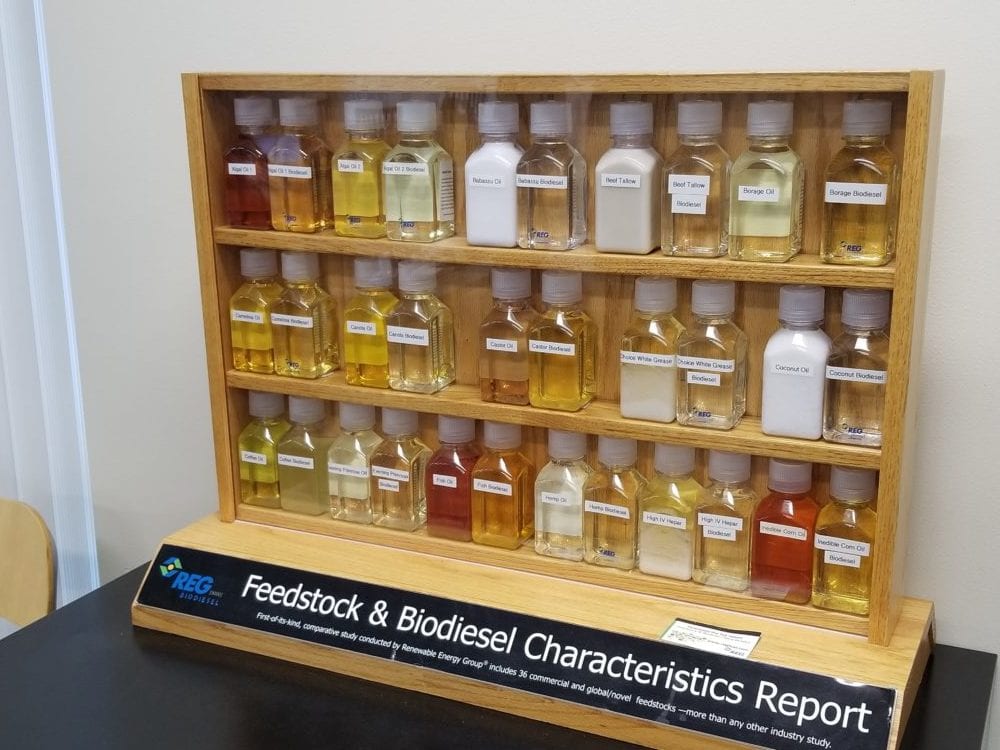
Renewable diesel can be made from a host of things, usually a low value waste product. The most common feedstock used currently is waste vegetable oil, wastes from animal rendering, and other biologically derived oils. Processes using bio-oils are following a Hydrogenation process to turn low value waste oils into high value diesel and jet fuel.

Chevron Renewable Energy Group and Diamond Green Diesel (Diamond Green is in a joint venture with Valero) are the largest producer of renewable diesel with their REG Ultra Clean Diesel product in the United States. Neste is the largest producer of renewable diesel internationally, with its “Neste My” product.  being the two largest producers of low CO2 bio-oil derived renewable diesel fuels.

Major petroleum refiners have also turned around existing petroleum refineries into Renewable Diesel Refineries to produce this in demand low CO2 fuel. HF Sinclair , Marathon, Phillips 66, and Montana Renewables. There are quite a few newer Renewable Diesel projects planned and in progress around the United States as well as in the Pacific Northwest.

Other refiners of renewable diesel (on a much smaller scale of production) are using a Fischer-Tropsch process with wood waste, sorted higher grade municipal garbage, and other high btu value carbon based waste products.  Many expect this to technology to be the future of all diesel and jet fuel refining turning refuse into fungible low carbon fuel.

What is renewable hydrocarbon diesel?

Renewable hydrocarbon diesel is a synthetic diesel fuel made from non-petroleum feedstocks like vegetable oil, animal fats, municipal waste, agricultural biomass, and woody biomass. It is characterized by having a low CO2 and renewable resource for its feedstock and is made without crude petroleum, coal, or natural gas as a direct feedstock input in the refining process.

How do they make renewable diesel?

Renewable diesel is made by several processes. If you are buying renewable diesel, it is probably from a Hydrogenation process used by Renewable Energy Group and Neste for their products. Other smaller volume producers are using a Fischer-Tropsch process or Fast Pyrolysis. Both processes involve taking energy dense molecules, cracking those molecules under heat and pressure, then reforming them in the presence of a catalyst and added hydrogen, which forms a renewable diesel molecule.

Is renewable diesel a lower carbon fuel compared to petroleum diesel?

Yes, to this point all renewable diesel made from renewable feedstocks have appeared to be a lower CO2 fuel compared to petroleum diesels. The California Air Research Board in particular has done research on this in depth.

The low CO2 lifecycle emissions of Renewable Diesel also is tracked closely and supervised by California’s Low Carbon Fuel Standard, Washington’s Low Carbon Fuel Standard, and Oregon’s Clean Fuels Program. The highest value markets for low CO2 fuels in the United States are California and Oregon, which both have mechanisms that track and price the CO2 intensity of diesel fuels as well as the sustainable lower CO2 substitutes and blend-stocks that can go in those diesels. They track, rate, and determine the carbon intensity of the fuels providing a neutral and scientifically defensible number for CO2 reduction.

Is renewable diesel available in Oregon?

Renewable diesel is readily available for delivery from Star Oilco throughout the Pacific Northwest via 10,000 gallon volumes of bulk delivery.   Star Oilco is also offering bulk delivery of any size and mobile onsite fueling service within 100 miles of the Portland, Oregon market.

Star Oilco has R99 Renewable Diesel available with a Star Oilco CFN Cardlock card in Portland, Oregon.

What is the difference between biodiesel and renewable diesel?

Biodiesel and renewable diesel are very different fuels made with very different processes. In a nutshell, biodiesel is made with a simple chemical reaction that turns vegetable and animal fats into fuel. Renewable diesel is made from far more complicated process where vegetable and animal fats (as well as other feedstocks) are cracked on a molecular level and built back into synthetic diesel fuel.

What is the difference between renewable diesel and Sustainable Aviation Fuel?

The difference between the fuels is the specific gravity and general specification for what the fuel is used for. Jet fuel, or Sustainable Aviation Fuel, and on-road diesel fuel are different fuels and therefore have different specifications. Renewable diesel is typically referring to a #2 diesel specification for on road diesel use.

Sustainable Aviation Fuel or “SAF” is typically referring to “Jet A” or “JP8” jet fuel specification for fuel. This is a #1 diesel range fuel with use and handling requirements that are far more stringent than for on-road or off-road diesel fuels. Renewable jet fuel can be used as a kerosene or #1 diesel fuel but renewable diesel cannot be used as a jet fuel.

Where do I buy renewable diesel in Oregon or Washington?

Renewable Diesel is currently available for bulk delivery and mobile onsite fueling. It will soon be offered at commercial cardlock in the Portland area. It is being sold as R99 and as Ultra Clean Diesel, which is a mixture of biodiesel, renewable diesel, and petroleum diesel.

What is R99?

R99 stands for 99% renewable diesel and 1% petroleum diesel.  Federal rules over alternative diesel fuels made fuels requires that manufacturers of non-petroleum derived diesel fuels must blend a minimum 1% petroleum with the fuel to generate a Renewable Industry Number or “RIN” under the US Federal Renewable Fuel Standard. Additionally there are other incentives that require a “blender of record” to receive these tax credits.

Is renewable diesel being made in Oregon?

As of Spring 2022, renewable diesel is not being manufactured in Oregon. There is a major projects underway, Next Renewable Fuels in Port Westward, Oregon.

What is renewable diesel made from?

Renewable diesel can be made from many energy dense carbon based material.  By volume of produced product sold in the United States, vegetable oils and animal fat-based wastes are the most common feedstock. Woody biomass, agricultural wastes, and sorted municipal wastes are also sources for renewable diesel production.

Is renewable diesel made from palm oil?

Palm oil can be used as a feedstock for renewable diesel. There are producers who use palm oil as a feedstock. In the United States, feedstocks and carbon intensity are tracked closely under both Oregon and California’s fuel programs.  You can determine if a supplier is using palm oil as a feedstock through these regulated pathways.

How much does renewable diesel cost?

This is a tough question to answer given there are several markets intersecting.  From the feedstocks to the market demand for the finished product as well as both California and Oregon’s Clean Fuel Standards which place a price on the CO2 intensity of the fuel which reduces the cost of the fuel if consumed in Oregon and California.

It has consistently been trending between the same cost and over $1 a gallon higher than petroleum diesel depending on the state, you buy renewable diesel in. In California, renewable diesel is very close to petroleum diesel depending on the value of CO2 credits for lower-carbon fuels. In Oregon, it has consistently been between $.05 to $.80 a gallon higher than diesel also depending on the value of CO2 abatement associated with the fuel and what these carbon credits are trading for.

When petroleum diesel costs are high Renewable Diesel tends to be more competitive with petroleum diesel.  When petroleum diesel is below $3 a gallon the cost of Renewable Diesel by comparison is usually higher unless CO2 credits are in higher than normal demand for Clean Fuels Program demands.

Can you mix petroleum diesel and renewable diesel?

Yes. Renewable diesel and petroleum diesel can be blended in any mixture without worry. They are drop-in substitutes for each other in your fleet’s use.  Renewable Diesel is a drop-in fuel. It is a hydrocarbon diesel that will work mixed with diesel or biodiesel blends of petroleum diesel.

Green fuel nozzle representing renewable diesel with Star Oilco logo - serving Oregon and Washington fleets.

Learn more about renewable diesel and how it can benefit your operations. Contact us today.

Contact Form

  • This field is for validation purposes and should be left unchanged.
Mobile app showing Pacific Pride fleet fueling data and location alerts
Get an email every time your fleet stops for fuel 1024 541 Star Oilco

Get an email every time your fleet stops for fuel


Get an Email every time your driver fuels up

Driver management tools built into a fleet card.

-Fleet card services mean more than just a bill, it is knowing who buys what, when, and where in real time.

-Make sure your Dispatcher on duty gets an email every time fuel is bought in real time.

-Know in real time what your fleet is buying and doing to get ahead of bad decisions.


Driver efficiency can drain your profits.  Drivers making the wrong decision about where to buy fuel is also a trainable experience.  Add to that the bad actors who might palm a fleet card.

We give you actionable data in real time as the driver makes a decision.

At those rare moments when thieves creep into your business, we also make sure you see it as it occurs.  This means you can save yourself thousands of dollars in theft before it happens.  Fuel theft usually occurs on the way to work or when bars close.  We make sure you are getting notified at every fuel purchase so you can see the out of place fuel purchase.

Our Pacific Pride cards tie a suite of tools into our E-Receipt tool making sure your team knows who is doing what with your fuel cards.  We also have added tools, if you want them, to turn the cards off by hour of day, days of the week, and by states/zip code protections.  We secure your business from those risks so you can protect yourself from surprises.


Star Oilco is an Independent Franchisee of Pacific Pride.
Know who, what vehicle, what fuel, at what location in real time – to manage your fleet in real time.

Knock out fuel theft by knowing what is happening when it happens.

-E-Receipts are a simple tool that allow you total knowledge and control of your fleet’s fueling.

Managing a fleet is an orchestra of well organized chaos.  Your driver’s decision making, unforgiving customer needs, the randomness of traffic all merge into the daily life of a fleet.  Star Oilco can provide you a very simple tool to help you seize control of where, when and who makes fuel purchasing decisions.  The Star Oilco Pacific Pride card can provide an email notification every time fuel is bought notifying your team so that your fuel policy can be managed in real time.

Control the fuels they can buy, the zip codes they can buy fuel in, limit the quantity of fuel, windows of time to buy fuel (so after hours a borrowed card cannot be use), and get an email after someone gets fuel. Manage your driver’s habits as things happen.

Email notification of who, where, and what fuel was purchased after it occurs.

Many fleets have policies of when and where to fuel.  Avoiding high cost retail pumps, the nearly $.50 fuel higher tax difference for an Oregon fleet buying in Washington state, or if you use wet-hose mobile fueling to save labor and depend on a gallon quantity for a discounted price.  A driver not following your policies is very expensive.

With Pacific Pride’s e-receipt at time of transaction you will have instant confirmation, not month end audits.

Regardless of coaching and communicating often drivers have a habit of departing from even the best managed fleet’s policies.  Knowing the moment this happens can make all the difference.  It also has an added benefit of keeping people from even contemplating fuel theft as the transaction and who the offender is will be immediately noted.

Imagine it.  Your driver stops out of route for fuel, shortly after a text from dispatch asks why?   As you discuss the fuel stop with the wayward driver, they will forever and always think twice before stopping out of route again.

Know who stopped for fuel in real time. 

Get started below.

Contact Form

  • This field is for validation purposes and should be left unchanged.


Fuel bill audit best practices

Read more on how a Fuel Audit can help your business control fuel costs and demystify what and how you are buying fuel.  Find out what’s in a Star Oilco “Keep it Simple” Fuel Audit.

For a strategy on using Fleet Cards as a human resource management tool to stop fuel theft in your business see the Star Oilco white paper on Stopping Fuel Theft in your Business.

Close-up of diesel engine components and fuel system
Make And Keep Your Diesel Fuel Much More Clean 1024 768 Star Oilco

Make And Keep Your Diesel Fuel Much More Clean

                               Make And Keep Your Diesel Fuel A Lot More CleanClean, dry, premium diesel

What is Clean Diesel? 

Clean diesel is free of the contaminants that harm modern diesel engines. Today, there is a gap between ASTM diesel standards and the ISO cleanliness standards needed for use in high pressure common rail engines. Anyone operating a modern clean diesel engine is seeing the effect, including injector replacement, DPF regeneration, and a host of other fuel quality related maintenance concerns we never saw twenty years ago. On top of all of that, today’s refined diesel fuels are less storage stable than ever before. What is on the bottom of your bulk tank can also complicate matters further. When diesel is bought wholesale, it typically meets and exceeds ASTM required industry standards, but almost always requires additional filtration to avoid excessive engine wear and premature part failures.

Having clean diesel requires an additional amount of care. Namely, you need to make sure that the fuel is aggressively filtered at 4 microns to catch the microscopic particles that are big enough to damage your modern diesel engine’s high pressure fuel rail system. Furthermore, clean diesel is fuel that is free of water and stabilized with Premium Diesel to guarantee no bacteria, yeast and other creatures can grow and further contaminate the saddle tanks on your trucks.

For more on clean diesel, see Donaldson’s description of “The New Clean” for an in-depth explanation of what ISO cleanliness and filtration mean for your diesel fleet.

Making Diesel Cleaner!

Knowing the quality of your fuel is the first step. This is done by taking samples off of the bottom of your bulk storage, as well as a representative sample from your fuel dispenser. Lab tests of those samples will tell you if you have water, biological growth, or dirt issues with your storage. The contaminants in the tank being sampled are almost always visible, which is to say that they look horribly ugly. If your fuel quality assurance has been on autopilot, do not be surprised if you find this. After gathering knowledge about your fuel, the next step is to get your fuel quality clean.

Filtration and tank bottom sampling is the start. Beyond that, the only way to improve your fuel quality performance is to filter your fuel, ensure water is not getting into the tank through condensation, and additize it with a Premium Diesel additive to upgrade the performance of the fuel. Many fleets today are seeing injector wear and continual problems with particulate trap maintenance. This is a combination of water in fuel and microscopic particles not captured by a 10 or 30 micron filter used at most diesel dispensers. You have to filter more aggressively than this.

Clean, Dry, and Premium Diese

Where To Start?

The first step is sampling your bulk diesel tank. We check your bulk tank for water and dirt to make sure and meet the specifications your engine is built for. Star Oilco can help by providing a complementary diesel test for those fleets interested in taking control of their fuel quality assurance. Usually when testing fuel, we take a sample off of the tank bottom as well as a representative sample out of the fuel dispensing nozzle.

What we usually find is ASTM specification diesel fuel (it meets ASTM spec) that is higher than you’d want (still in spec) for water with far more dirt than the OEM’s would want to see in your engine. This dirt fails to be within the “ISO Cleanliness” specifications recommended by engine manufacturers. Usually, we also see water on the bottom of the fuel tank, which is a likely source for future or current biological growth in your fuel tank.

Star Oilco can help you fix this! The first step is to sample your fuel tank.

NOTE: If you have a current biological growth problem in your bulk fuel tank or fleet, your first step is to treat that effected fuel with a diesel microbiocide to kill the bugs growing in your tank. For more on this, see our Valvtect Plus 6 Diesel Microbiocide page.

Tank Testing Form

  • This field is for validation purposes and should be left unchanged.