
Posts Tagged :

Bulk Fuel

Construction Loaner Diesel Tanks
Diesel Fueling for Construction Jobsites 720 720 Star Oilco

Diesel Fueling for Construction Jobsites

Diesel fueling for construction jobsites in Portland, Oregon.

Keep full service for construction jobsites with R99 Renewable Diesel available.

Diesel Fuel for Construction


If you are managing a project we will keep that jobsite full.

Diesel fueling for construction jobsites seven days a week in the Portland metro region.  We have a variety of diesels accompanied with DEF top off to keep your operation running without interruption. We can provide a consistent schedule to keep going seven days a week.  If you are running generators, blowers, heaters and other 24-7 equipment we can keep those running through the weekends.  Our autofill construction service can provide the fuel you need, tanks for your project, and regular scheduled service to guarantee uptime.

Does your diesel fueling for construction needs call for a guaranteed stops on a schedule? Do your projects sometime require every 12 hour or 6 hour fueling? Does you fueling project needs call for generators, heaters, reefer-trailers, light sets, and yellow iron?  Star Oilco can do a few gallons wet hose fueled into your equipment to 100,000+ supply contracted for your project.  We have trucks dispatched seven days a week with several shifts.  Star Oilco can do twice a day fueling if needed for your project including regular 0 gallon stop by visits to confirm your equipment is running.

We can keep your generators running, your heaters blowing hot air, your pumps pumping, and your crew running without having to stop for fuel or DEF!


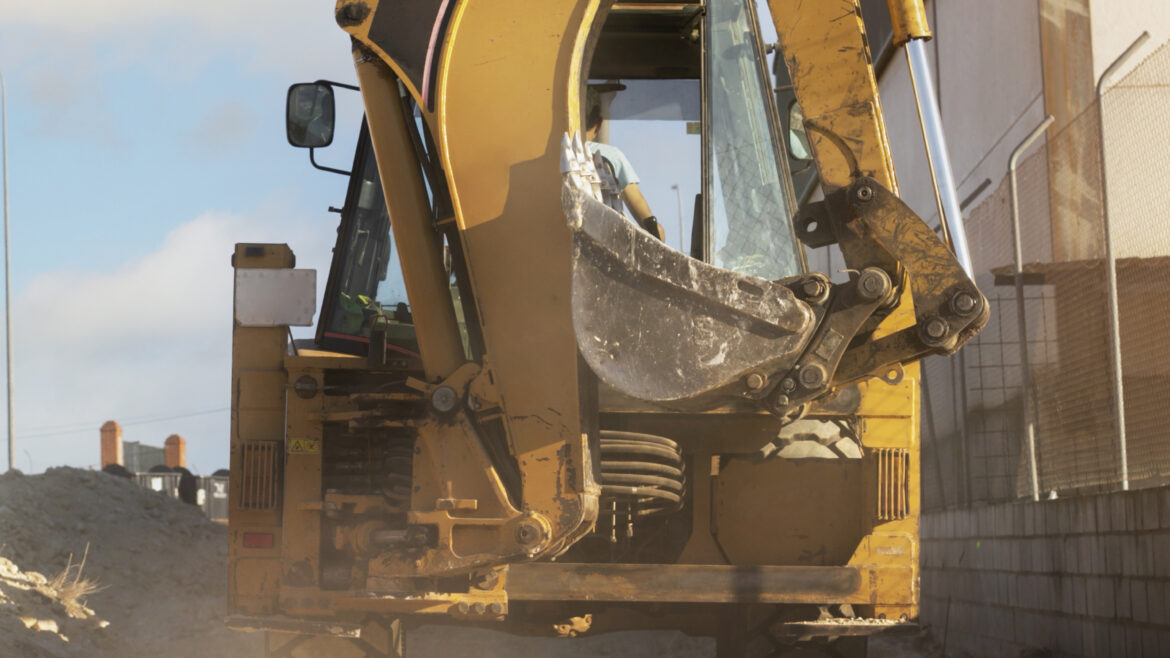
Fueling Back Hoe on construction site

Jobsite fueling service to meet the needs of your project management.

Off Road Diesel, Dyed Renewable Diesel and DEF available for your project need.


Mobile Fueling of Construction site in Portland, Oregon

Keep Full Mobile Onsite Fueling

Star Oilco can provide scheduled mobile fueling to your jobsite seven days a week.  Our diesel construction fuel service includes onsite tanks as well as DEF equipment for your project needs. At start of shift and end of shift schedule is also available for delivery.


Tight Access Diesel Construction Fueling Available.

Star Oilco’s fleet includes smaller fuel trucks able to access tight to reach areas in parking garages, active facilities, back alleys, inside buildings, and other hard to reach areas required by a project.


DEF Delivery Included with your Diesel Fueling.

Diesel Exhaust Fluid (DEF) keep full and bulk delivery service to your jobsite.  We have DEF bulk equipment as well as boxes available for your project.  What you want for your operations is what we want. Keeping those small DEF tanks full and generators running is what we can do for you.  We are here to make it easy.


Renewable Diesel in Oregon

Dyed Renewable Diesel for your Diesel Construction Fueling needs.

Does your project require a lower CO2 footprint?  We have off-road R99 Renewable Diesel on our trucks daily.  Star Oilco also has multiple sources for R99 in the Pacific Northwest for your needs to guarantee supply. If large volumes are needed for Renewable Diesel for a project in the future we can enable a contract to meet these needs.


Construction Loaner Diesel Tanks


Diesel Fueling Construction Tanks available.

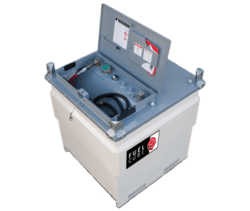
Star Oilco has fuel tanks available for your project.  Our typical inventory of tanks sizes are 250 and 500 gallon UL142 double wall thanks.  We have 100 and 50 gallon fuel cells for moving fuel around a jobsite in the back of a fuel truck. Larger sizes available for longer term and larger projects with advance planning.


Wet Hose Fueling Service in Vancouver, WashingtonStar Oilco can provide your project with the fuel you request.
– B5 ULSD Dyed Diesel
– B20 ULSD Dyed Diesel
– Dyed R99 Renewable Diesel
– E10 Gasoline
– Non-Ethanol Premium Gasoline
– Kerosene, and others if the project calls for it.

Schedule Your Fuel Delivery Today

  • This field is for validation purposes and should be left unchanged.
greenhouse gas emissions reduction graphic by Star Oilco
Why diesel fuel in Oregon may go up in 2025 940 788 Star Oilco

Why diesel fuel in Oregon may go up in 2025

What are the market forces impacting diesel in Oregon for 2025?

There are some big changes coming for diesel fuel in Oregon and it is not widely reported. The biggest likely change being a smaller supply of renewable diesel in the first quarter of 2025.  Renewable Diesel is expected to see a shorter supply than in recent years as imports drop off with the removal of subsidies.

Oregon is going to see several major market forces impacting the wholesale, as well as retail cost of diesel to those that buy it.   To list them simply, the following events will converge on New Years Eve:
The end of the $1 a gallon US Blenders Tax Credit (BTC) subsidy on biodiesel and renewable diesel.
– The subsidy replacing the BTC, the Producers Tax Credit (PTC), blocks imported biofuels such as Neste Renewable Diesel.
– Oregon is relaunching its Climate Protection Program which will cap the market allowance for fossil fuels.
Portland has a Renewable Fuels Program that requires the blending of Biodiesel and Renewable Diesel under a 60% reduction in CO2 emissions from petroleum diesel (biofuels sold in Portland must be below a 40CI under Oregon’s Clean Fuels Program).
California has mandates for Renewable Diesel in many uses raising the cost of R99 renewable diesel throughout the US.

These forces will raise the cost of fossil fuel diesel, renewable diesel and biodiesel while at the same time Oregon and Portland are requiring the use of these biofuels.  This will mean a higher retail and wholesale price inside Oregon compared to the rest of the United States. We cover the details of these trends below in depth.

THE OREGON CLIMATE PROTECTION PROGRAM

The biggest change impacting the price for on-road diesel is the return of Oregon’s Climate Protection Program (CPP). The program’s more common name is Cap and Invest, in fuel pricing it is referred to as “Cap at the Rack” as its allowance requirements are priced on a gallon of fossil fuel.  The program caps the total fossil fuel allowed to be sold inside Oregon. Then, revenue generated from selling the allowances to import CO2 contributing fossil fuels into the state, is invested to reduce future needs for these fuels.  In 2025, this program will return and fuel importers into the state of Oregon will have to capture the cost of reducing their CO2 emissions under this program.

Oregon previously had a “Cap and Invest” program limiting the total market share allowed for petroleum diesel fuels.  This created a higher cost for diesel fuels refined from petroleum compared to renewable diesel and biodiesel. This program was stopped by an Oregon court decision in 2023. The Oregon Department of Environmental Quality (DEQ) just finished and published the new rules for this program correcting the issues the court had with the program.

The way the Oregon Cap and Invest works on the market is similar to musical chairs. If you imagine the market for diesel is limited just like seats in musical chairs, every year they will take a few of the fossil fuel chairs away.  That means that anyone maintaining their existing customer gallons or trying to grow their volumes must meet this demand with renewable diesel, biodiesel or some other fuel.  The limited market for fossil fuels is represented by “Allowances” provided by the Oregon DEQ.  If a fuel seller cannot reduce their fossil fuel dependency, they need to buy a CPP Allowance in an Oregon DEQ curated market for them.

The value of these CPP Allowances is actually charged on each gallon of fuel sold by the regulated parties.  It is commonly called “Cap at the Rack” and can range in cost from nothing to over $.50 a gallon depending on how hard it is to meet the need of the program.  The biggest impact on the Cap at the Rack cost is how much renewable diesel or biodiesel is being used by those selling fuel.   Prior to the stoppage of Oregon’s CPP program, the Cap at the Rack cost usually ran around $.05 to $.30 a gallon.  It is expected we will see a return to this cost starting January 1st, 2025.  OPIS reports have an adjusted and non-adjusted option to capture the cost of this program.

The way the CPP program is designed is that if a fuel seller brings in a lower CO2 fuel like renewable diesel or biodiesel into the state of Oregon those gallons do not count towards the fossil fuel market cap.  So a R99 seller has no CPP Allowance obligations for those gallons.  A B20 biodiesel blender, as well, picks up 20% more gallons available to sell as those biodiesel gallons do not count against their CPP Allowances.  This facet of the CPP is why the market of renewable diesel in particular is a big deal for diesel prices.

The intent of Oregon is for consumers, fleets, farmers, municipalities, and industry in Oregon to grow their energy needs, they will need to use more low carbon energy.  If this energy use is a fleet running over 32,000 GVW this will mean low CO2 biomass based diesel fuels.   At the same time, the CPP program is kick-starting back into existence, the world of these biofuels is seeing some major market changes.

OREGON CLEAN FUELS PROGRAM

Oregon has another program to reduce the CO2 of the liquid fuels sold inside the state.  This program is additional and works in conjunction with the CPP.  It is the Clean Fuels Program (CFP) and is extremely similar to the California Low Carbon Fuel Standard (LCFS).  This program creates a market for Carbon Credits that are traded and required by fuel importers into Oregon.  OPIS also shows this program’s cost per gallon on their reporters.

Where the Climate Protection Program is like musical chairs with market share as the allowed market for fossil fuel shrinks year over year, the Clean Fuels Program is like a coupon required with sales of fossil fuel.  The major importers of fossil fuels into Oregon must show they are blending lower CO2 biofuels by presenting CO2 credit generated under the CFP program.  Users of fuel inside Oregon also see a benefit for bringing in low CO2 fuels when the market needs the credits so that voluntary users of high blend biofuels like R99, B99, B20 or E85 (85% ethanol) get financial support via a reduced final cost per gallon if using those fuels.

The reason we see renewable diesel in Oregon compared to the rest of the United States is because of this program.  This value of a Carbon Credit is usually taken to buy down the competitive price of these biofuels.  The concept is that if a fuel importer is bringing low CO2 fuels into Oregon, the reduction in CO2 these fuels represent can generate a CO2 credit.  That credit being sold on an open market to help reduce the cost of a low CO2 fuel compared to a fossil fuel.  The market for these credits is banked and has been building for years. Currently, the CO2 value is low as there are plenty of credits.

If the market availability of renewable diesel and biodiesel is dropping, the value of these credits should be rising.  The overall market will be bearing this cost though consumers will likely never see it.  In effect these regulatory market impacts of less renewable diesel in Oregon will mean a higher Carbon Credit price under the CFP program.  That will help lower the blended or delivered costs of B99 biodiesel and R99 renewable diesel hitting the end consumer.

RENEWABLE DIESEL AND BIODIESEL SUPPLY IN OREGON

Biodiesel and renewable diesel are called “Biomass Based Diesel” as a respective class of biofuels.  Where fossil fuel diesel is made from crude petroleum, biomass based diesels are diesel fuels made by several technologies from biomass feedstocks. The most widely used feedstock being fats, oils, and greases from virgin vegetable seed oils (soy and canola) or waste streams like recycled deep fryer oils, meat processors rendering fats, recovered trap greases, and many other sources of fat waste streams.

The 2025 Oregon Fuels Forecast for Oregon predicts a 199+ million gallon need for R99

The Oregon Department of Administrative Services Office of Economic Analysis produces a Clean Fuels Forecast which describes the size of the market need in Oregon.  In 2023, Oregon used 133.3 million gallons of R99 inside the state. The fossil fuel diesel used in 2023 was 577.6  million gallons by comparison.  So R99 and B99 blended with those gallons is a substantial 26% of the diesel burned in Oregon by the most recent total data.  The forecast for 2024 Renewable Diesel is 46.6 million gallons of R99, which appears to be exceeded by quite a bit.

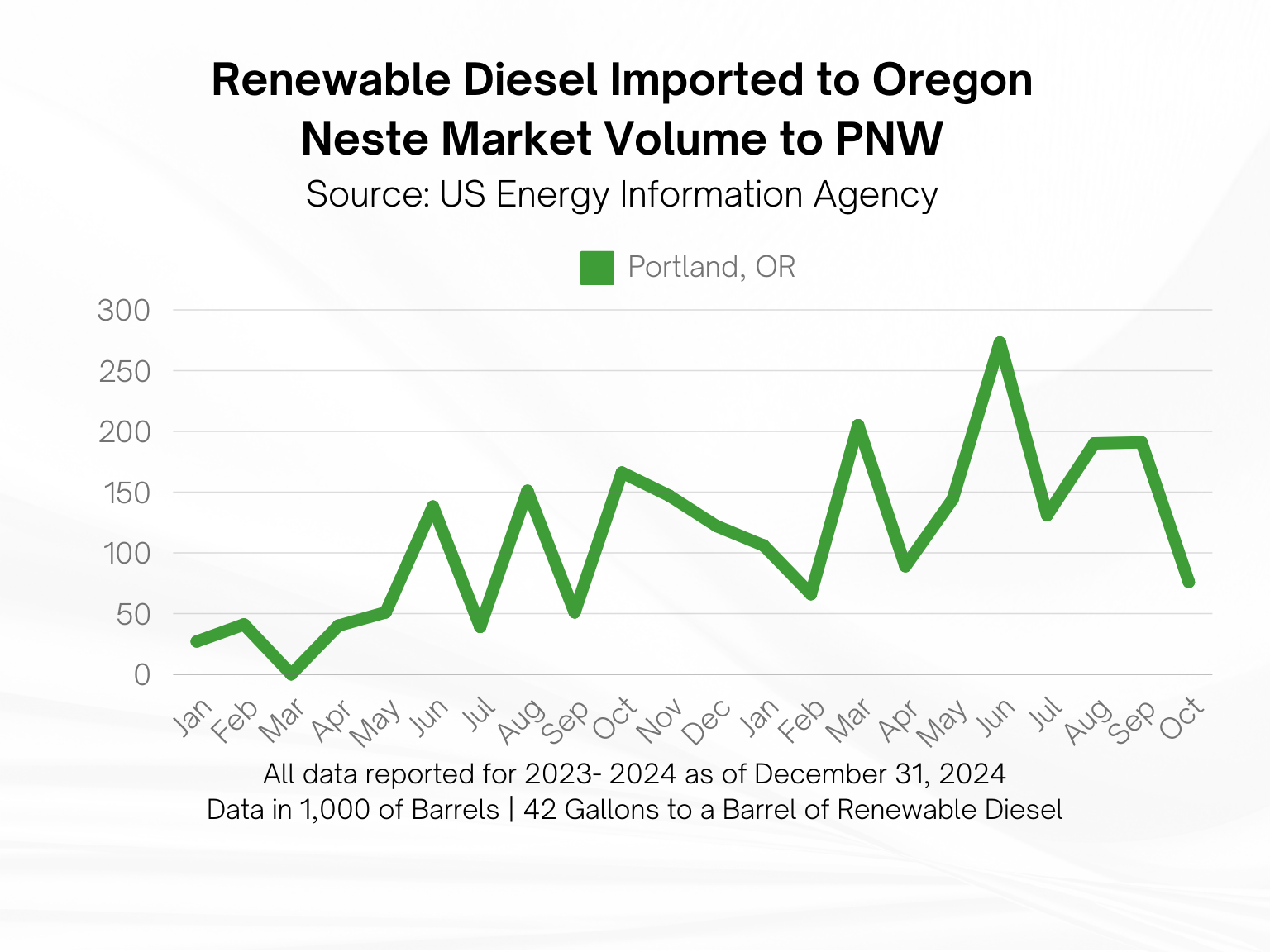
We do not have total consumption numbers for 2024 yet, but we do know thanks to the US Energy Information Agency, that imported R99 from Neste Singapore by itself through October was roughly 62 million gallons rounding up.  The Oregon Clean Fuels Forecast expects 199.5 million gallons of renewable diesel in 2025.  As the program ramps up with this expectation, the imports of previous years will be far less competitive without subsidies.  This means the price of renewable diesel will be higher, unless US production scales to not only fill this market void but also add tens of millions of gallons into the state.

Of that 133.3 million gallons of R99 used in 2023 in Oregon, a third, more than 40 million gallons of it was imported Neste Renewable Diesel.  973,000 barrels of renewable diesel was shipped from Singapore to Oregon that year.  Other renewable diesel refiners such as Diamond Green, HF Sinclair, Marathon, Montana Renewables, Phillips 66 and Chevron also had R99 product sold into Oregon.  Regardless of the expansion of US domestic Renewable Diesel production in recent years, the Neste product no longer receiving subsidies will have a real impact to maintain these 133+ million gallons of R99 inside Oregon.

This same projection reports that Oregon’s B99 Biodiesel use inside the state in 2023 was 78.8 million gallons.  With a projection of Biodiesel to rise 83.8 million gallons in 2025.  Given these market needs, Star Oilco predicts R99 to be expensive compared to petroleum diesel. Biodiesel will be more competitive given the available product and no substantial change in suppliers.  Biodiesel will also need to be used to replace R99 gallons under the CO2 reduction programs of Oregon. Due to these market forces Star Oilco has contracts for supply at reasonable prices for our existing customers.

R99 is mandated in certain diesel uses in California by the California Air Resource Board (CARB) which make for an inelastic price.  Diesel equipment operators in California will have to buy R99 at any price.  This will raise the prices we in Oregon can expect to see renewable diesel at.  The other low CO2 diesel fuel biodiesel will not be impacted by CARB the same way and we can expect to see B20 become more widely sold because of its more competitive price.

Biodiesel has a much more widely used market development around the US, especially in over-the-road trucking.  The plants that make biodiesel also tend to be co-located, owned in collaboration with feedstock producers, and integrated within the Soy industry that produces the feedstock.  Expect that biodiesel will continue to be more competitive with diesel than renewable diesel if price is the concern.

It is worth mentioning that the CARB mandates for R99 use in California will have impact to set the price for renewable diesel in other states.  If the market demand mandated by CARB continues and the market is short, the price can be expected to rise to meet this demand.  So unsubsidized imported R99 will likely continue to flow into California and other states but it will be at a full cost to make up the subsidy.  This will likely mean that incremental gallons of R99 needed to meet the market growth projected in Oregon will be at a premium over Oregon diesel to match California’s diesel market.

US BLENDERS TAX CREDIT EXPIRATION IMPACTING OREGON

The biggest unknown on how expensive diesel will be for Oregonians relates to Federal biofuel policy.  For the last twenty years the US Government has had an on-again/off-again subsidy on biodiesel and more recently renewable diesel.  There have been years the subsidy was not renewed which informs us of what probably will happen with prices on biodiesel.  Renewable diesel though is a stickier market.  The reaction of R99 renewable diesel prices in California, Washington and Oregon market is the big question and it comes down to an issue of production.  Two big issues at play are how much renewable diesel will these states continue to see from Neste’s Singapore plant and how much new US production for renewable diesel comes online to feed the market need.

The Blenders Tax Credit will be replaced with the Producers Tax Credit

The Blenders Tax Credit expired December 31st.  There are those that hope that in January the new Congress will take up an extension of this but most experts in the industry do not expect and are not betting an extension will not occur.  Meanwhile there is subsidy regime named the “Clean Fuels Production Credit” or the slang term preferred by industry the Producers Tax Credit (PTC) which ranges from $.20 a gallon to $.80 a gallon depending on how low CO2 the fuel as well as some labor practices.  The PTC also bars imported renewable diesel and biodiesels from getting any money at import.  Approximately more than 40,000,000 gallons a month of renewable diesel flows from Neste Singapore to the west coast, this will have a huge impact on Oregon.  For those accustomed to that fuel at the same price as fossil fuel diesel, the expiration of this subsidy will raise our prices for those demanding R99 renewable diesel which was already in short supply prior to this change.

There is also another wrinkle in the subsidy policy of the US with this.  The subsidy on Sustainable Aviation Fuel (SAF), basically renewable diesel meeting the Jet A fuel specification, is still in place for imported product for another year.  Europe also has some significant incentives and mandates for SAF.  Renewable diesel refiners, both domestic as well as foreign have a huge financial incentive to make renewable jet fuel over renewable diesel. This reality probably means that if a gallon of fuel can go to a jet fuel market over a transportation market it will.

So the market forces for renewable diesel in particular probably means less R99 available nationwide in the US.  While that is happening, the state of California has mandated that all off road equipment run R99 Renewable Diesel.  So regardless of what the price of this fuel is, California will have to use it in huge volumes.  Markets being what they are, for high volume fleets demanding R99 they can expect the R99 price in Oregon will track the price paid in California.  There will be exceptions of contract relationships for supply of R99 as well as retail brands moving renewable diesel blends to meet their strategic CPP requirements.  This will definitely mean anyone wanting R99 will want to line up a contractual supply agreement or can expect a higher price than in 2024.

THE FEDERAL RFS AND RINS

It should also be mentioned that the US EPA has a Renewable Fuel Standard of its own. It is a completely different regulatory system compared to the Portland RFS.  This program requires gasoline refiners as well as importers to use so much biofuel in their sales inside the United States.  Federally refiners and importers must prove they blended specifically assigned amounts of ethanol, and biomass based diesel fuels.

This program attaches a Renewable Industry Number (RIN) on every gallon of biofuel sold in the US.  As there are many unobligated users of this biofuel in the US those blending their own biodiesel, renewable diesel and ethanol generate RINs that can be sold to the refiners and importers of gasoline inside the US.

The RIN value has been low compared to historic values for biomass based diesels.  As Biodiesel and Renewable Diesel generate the same type of RIN, the reduction in imported R99 might raise the value of these RINs.  This value increase for the Renewable Industry Number is expected to slightly off set the hard subsidy.  It will be a market based value so it can not be relied upon for lowering the cost of biofuels, but can be expected to help with price.

As more US produced renewable diesel is coming online, hopefully enough to replace the lost imported gallons before the busy summer diesel season, these RIN values may not have a major contribution to the wholesale price of R99.

CONCLUSION

We predict diesel prices to rise in Oregon compared to the US in the first quarter of 2025

Star Oilco’s team saw these market conditions coming during the summer of 2024.  We have locked in contractual supply of R99 renewable diesel for our existing customers and have additional supply for customers seeking R99 renewable diesel by Star Oilco owned cardlock sites, mobile onsite fueling or smaller volume bulk delivery.

Star Oilco expects a Cap at the Rack price from the Oregon CPP to be between $.10 and $.40 a gallon by the end of January depending on biofuel supply. With unofficial conversational predictions with several large fossil fuel refiners and brokers, there is an expectation of over $.25 a gallon as a Cap at the Rack price.  We think it will be higher than that with the removal of millions of gallons of R99 from Oregon’s market.  In the first quarter with the removal of imported R99 hitting the state we expect the Cap at the Rack price to start in the higher $.30 a gallon range where it left off when the program was ended by a court. As the low CO2 exempt renewable diesel gallons shrink in the first quarter a heavier reliance on fossil diesel will be required.

We expect quite a bit of biodiesel to be loaded up ahead of the $1 a gallon subsidy being ended on December 31st.  Renewable diesel will be in short supply due to disruptions in supply of imported product.  So first quarter R99 will be at a premium and B99 for blending with diesel will be a deal to be had as fossil fuel diesel prices rise.  Expect to see far more B10 and B20 offered in the market place as either a more common than not fuel at retail gas stations, truck stops, and most cardlock stations, especially in Portland.  Star Oilco will have options for our customers of either B20, R99, or R20 blends of diesel all complying with the City of Portland Renewable Fuel Standard inside the city.  Star Oilco’s Portland CFN and Pacific Pride locations will have both R99 and B20 hoses available for customers.

California will continue to demand any and all R99.  If the market is short R99 because of a removal of imported renewable diesel, the value of R99 in California will rise to justify foreign R99 to enter the market without a subsidy.  Star Oilco presumes that number will be between $.40 to $.80 a gallon.  If R99 in California is able to demand a premium, Oregon will have to pay that price for incremental gallons.  Oregon has a specific need for R99 and B99 for retail gasoline sellers to meet the Climate Protection Program (if you sell so much gasoline you must reduce your market share someplace and R99 diesel is the easiest way to do that).  Oregon retailers will be seeking to move a budgeted amount of renewable diesel and biodiesel to meet their fossil fuel allowance budgets under the CPP.  Each gallon beyond that will have to compete with California at a high price.

R99 will still be available but we expect incremental gallons to be at a premium.  Contractual gallons direct with a refiner of renewable diesel will have a consistent price that a business can manage fuel surcharges against diesel.  Outside of a contract for volumes, the wholesale rack price of R99 may vary wildly compared to a B5 ULSD fossil fuel diesel prices depending on how high diesel is going for are as well as the CPP and CFP values of a Carbon Credit and Cap at the Rack.

The big unknown to price is how one key importer of R99 will respond to the market without a subsidy.  It is the assumption of Star Oilco that California will continue to buy imported R99 without a subsidy for it’s off-road mandated market. If the economics of Neste are such, they can compete and open the floodgates of R99 and this could change.  This open flood of product is not expected especially given the economics of Sustainable Aviation Fuel which renewable diesel plants are expected to make more of in 2025.

The Oregon and Washington market will see a flow of new capacity of R99 for retailers mandated to reduce their fossil fuel volumes.  US production of R99 is expected to more than compensate by 2026, but 2025 will be a chasm to jump.  Chevron, HF Sinclair, Marathon, and Phillips 66 will be procuring and supplying US made biomass based diesel to the Pacific NW for their retail gas station needs.  We would expect to see R99 or blends of it sold at parity with branded diesel in the retail market in Oregon.

Commercial sellers of wholesale unbranded diesel will have a tougher time lining up R99 at a price in line with wholesale B5 or B20 ULSD.  No doubt with these higher prices we will be seeing an evolution of R20 (20% renewable diesel) as well as blends of biodiesel with renewable diesel available inside the City of Portland for it’s Renewable Fuel Standard as a premium fuel at a competitive price with diesel.

Star Oilco has R99 and R20 blends for commercial customers in the Portland, Oregon area.  We also have R99 available for Clark County Washington commercial and municipal fleets.  Star Oilco also has biodiesel blends and can support fleets seeking to succeed with it.  Call us if you would like to talk about your fuel supply in 2025.

If your fleet has an interest in a consistent and contractual supply of R99 renewable diesel or wants to develop a relationship that prioritizes a 20% of renewable diesel blended to meet Portland’s Renewable Fuel Standard compliance please feel free to reach out to Star Oilco.

Reach Out To Our Team

Our team of fuel experts would be happy to work with you and help you understand how this affects your operations

Excavator on construction site using off-road diesel
Diesel Loaner Tanks for Construction 683 1024 Star Oilco

Diesel Loaner Tanks for Construction

WE LOAN DIESEL TANKS FOR CONSTRUCTION PROJECTS

DYED OFF ROAD DIESEL FUELING SERVICE BY STAR OILCO

Wethose Fueling for Construction

If you need diesel, kerosene, gasoline, biodiesel, or renewable diesel in bulk or as a wet-hose fueling service, we are ready for your project.  We also deliver Diesel Exhaust Fluid on jobsites. We won’t let your generators go down.  Daily routes for diesel fueling in Portland, Oregon and Vancouver, Washington. 

Star Oilco serves the whole Portland metro area included the ex-burbs.  Our routes deliver to Salem, Oregon as well as Longview and Kelso, Washington.

Call and ask for our Dispatch to set up service today at 503-283-1256.

Off Road Dyed Diesel Delivery

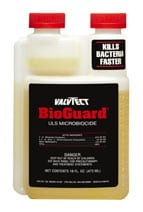
All-dyed construction and generator fuel delivered by Star Oilco is premium diesel treated with Hydrotex PowerKleen. Star Oilco’s premium diesel is stabilized for long-term storage for the total up-time needs of construction fueling. There is an additional treatment of fuel microbiocide to kill and prevent growth of bacteria/algae in your diesel. Star Oilco can add Valvtect BioGuard to your fuel to stabilize your fuel for long term storage upon request as well.


Construction season is here.

Star Oilco still has loaner tanks immediately available for your job site, project or temporary fleet needs.  Make life easier and keep your team working hard. Get ahead of the rush and reserve your UL142 double wall loaner tank now.

Just let us know if you need a 12V pump (powered by your equipment’s battery) or a 110V plug in pump with your equipment set up.

Star Oilco has both 550 gallon and 275 gallon tanks with 110% containment meeting UL 142 for your next construction project.  Star Oilco can provide larger tanks if arranged with notice beforehand.  Larger tanks available for longer term project if needed.  We also provide remote tank monitoring on these tanks. These tanks meet fire code in Oregon and Washington for construction refueling and provide temporary storage of fuel on an ever-changing construction job site. Oregon and Washington fire code allow temporary double wall tanks for construction projects where an active permit has been pulled and needs diesel to complete.

Ultra Low Sulfur Diesel is 15 PPM
Please also remember that ultra low sulfur diesel (ULSD) is the standard of off-road dyed fuel now as well. New off-road equipment will need ultra low sulfur diesel given the modern emission systems required.  This is a recent change.

If you are renting newer equipment, it will have a need for ULSD and Diesel Exhaust Fluid (DEF). You will need to ensure that any fuel on a jobsite running newer equipment with diesel after treatment is ultra low sulfur diesel fuel. If you are operating your own tanks as you receive newer equipment, you will want to flush the fuel to make sure you get all the higher sulfur fuels out of it. All equipment from Star Oilco is drained as well as flushed prior to deliver as part of our set up.

If you are a contractor, project manager, or need a temporary tank for on-site fuel, we can help. In cases where you need an auxiliary tank, transfer fuel tank, an emergency back-up fuel supply, or even a long-term rented loaner tank for specialized equipment, Star Oilco can solve problems for you. For long-term projects, we can also work to get cardlock and other novel tracking solutions to secure your on-site fuel needs. Give us a call, we are here to help.

Kick the Can Card

Call our Dispatch at 503-283-1256 or tell us what you need in the following Contact Form.

We have loaner tanks immediately available. Open an account and get started today.


Dense cluster of green leaves representing microbial growth
BioGuard Plus 6 Stabilize Your Diesel Tank 1024 683 Star Oilco

BioGuard Plus 6 Stabilize Your Diesel Tank

Fight Humbug in your Diesel Tank!

Fall weather is around the corner and moisture is depositing in your diesel tank.

Treat your diesel; keep things from growing in your diesel.

Prepare your diesel fuel, heating oil, kerosene, or boiler fuel for storage.

Make sure your fuel works when you need it. If you have a bulk diesel tank, stop stuff from growing in your diesel before it starts.

Star Oilco provides complementary diesel fuel quality testing for tanks in our service area.

Valvtect BioGuard Plus 6

Valvtect Plus 6 – Stabilizer and Biocide

Use every spring and winter to guarantee your tank is not providing a habitat to fuel system spoiling microbes.

Water in diesel is a fact of life these days. Biological growth spoiling your fuel quality does not have to be. Ultralow sulfur diesel and biodiesel have water in them. Over time, water entrained in your diesel fuel can fall out of solution. Add to that they condensation that will natural develop in your fuel tank and you have an environment for hum-bug to grow in your heating oil, diesel, or boiler fuel storage tank.

 

If you are storing diesel for longer than six months you want to stabilize that fuel.

In the summer when temperatures swing at night, your tank is breathing air in and out.  If it is raining, your tank is likely also breathing in the water. With the rainy season and long after it passes, be aware that water is everywhere unless you work to seal it out of your fuel storage system.  You can use a desiccant breather as a way to filter moisture from the atmosphere from getting into our tank.

If your tank does not have a desiccant breather on it, your fuel tank can collect condensation. As air moves in and out of the tank with temperature changes, moisture will collect on the wall of the tank. Yeasts, bacteria, fungi, and algae can grow in that water which collects on the bottom of the tank. Make sure your tank is not a habitat for growing bugs every spring and winter.

Microbiological growth in diesel fuel, also known as “humbug” in fuel, can start growing and if unchecked, will wreak havoc with your fleet. Once it starts in your fuel tank it will spread throughout your fleet. If you see a random need to spin filters between services or odd fuel-related maintenance issues, you likely have bugs growing in your fuel tanks.

Star Oilco recommends BioGuard Plus 6 as a regular biocide for routine maintenance.  

BioGuard Plus 6 is the only EPA certified biocide product that has both a biocide as well as a fuel stabilizer with detergent in one product. This detergent stabilizer acts as an aggressive tank cleaner (NOTE: BioGuard available without Plus 6).

When using Valvtect BioGuard, treat first with a kill, done in your bulk diesel storage. That will spread and kill the growing bugs in your fleet. Maintenance will clean up any remaining bacteria. If you do not have a known or seen problem, a kill twice a year is a great way to guarantee it does not appear and treat the individual tanks of your fleet.

ValvTect BioGuard™ PLUS 6Valvtect BioGuard Plus 6

BioGuard® Plus 6™ is the ONLY EPA registered diesel additive that combines a biocide with a multi-functional diesel additive to prevent bacteria, algae and all other major diesel related problems.

BioGuard Plus 6 is the perfect solution for ultra low sulfur diesel and biodiesel problems; such as bacteria, algae, excess water, sludge, filter plugging, injector wear & deposits, poor fuel economy and unstable fuel.

Only BioGuard Plus 6 prevents bacteria and algae growth, plus:

  • Stabilizes fuel for up to 2 years
  • Prevents rust and corrosion
  • Lubricates pumps and injectors
  • Cleans-up injector deposits
  • Disperses moisture
  • Increases cetane

ValvTect BioGuard Plus 6
“It’s ALL Your Diesel Fuel Needs!”

32 oz Bottle treats 375 Gallons
1 Gallon Bottle treats 1500 Gallons
Also available in 2.5 Gallon Plastic Bottles, 55 Gallon Drums and 300 Gallon Totes

BioGuard ULS Fuel Microbiocide

BioGuard is an EPA registered dual soluble (fuel & water) microbiocide that effectively kills bacteria and fungi that grow in diesel fuel, heating oil and gasoline. It prevents bacteria caused filter plugging and bacteria caused corrosion of the fuel system.

BioGuard typically works in 2-3 hours versus 24-36 hours needed by other biocide products. BioGuard has also been found to be up to twice as effective as other biocides.

This additive can be used in all diesel and gasoline bulk tanks and vehicle tanks, including marine, farm, truck fleet, home heat, generators, and railroad storage tanks.

  • Kills bacteria and other biocontamination quickly
  • Twice as effective as other biocides
  • Breaks up sludge and slime
  • Prevents bacteria plugged filters
  • Prevents bacteria caused corrosion
  • Bottle contains easy measuring spout

16 oz. container treats 460 gallons of diesel fuel at the initial kill treat rate.
16 oz. container treats 920 gallons of diesel fuel at the maintenance treat rate.


For a more in depth description of Valvtect BioGuard Plus 6 please click here.

If you have any questions about routine tank maintenance or to order Valvtect BioGuard products, please don’t hesitate to contact Star Oilco directly by email, message, or phone.

Contact Form

  • This field is for validation purposes and should be left unchanged.

For more information on storing diesel fuel please see the following articles from Star Oilco:

If you are interested in getting a Diesel Storage tank Star Oilco can help.

For a great document on everything diesel we recommend this Diesel Technical Review.

For best practices on storing generator fuel we recommend reading this Emergency Back Up Generator Fuel Storage.

If you are trying to keep your stored diesel dry here is an article we wrote on Desiccant Breathers for your fuel tanks.

If you are looking at getting serious about Diesel Fuel Quality Assurance here is an article we wrote about keeping your diesel cleaner and drier.

Aerial view of a truck driving on a highway through a forest
BioGuard Plus 6 Stabilize Your Diesel Tank 1024 463 Star Oilco

BioGuard Plus 6 Stabilize Your Diesel Tank

Spring is just around the corner.

Have you stabilized the diesel in your generator?

Water and temperature changes can contribute to growth in your tanks.

Prepare your diesel fuel, heating oil, kerosene, or boiler fuel storage and make sure it works when you need it.

With the Fire last fall and the recent power outages many generators have recently been filled. If you haven’t added stabilizers and a biocide to your fuel you may not be ready for the next emergency.

Kill bacteria, bugs, and yeasts growing in your diesel fuel with Valvtect BioGuard Plus 6

Valvtect BioGuard Plus 6

Use this diesel fuel microbiocide every spring and winter to guarantee your tank is not providing a habitat to fuel system-spoiling microbes.

Water in diesel is a fact of life these days. Biological growth spoiling your fuel quality does not have to be. Ultralow sulfur diesel and biodiesel have water in them. Over time, water entrained in your diesel fuel can fall out of solution. Add to that the condensation that will naturally develop in your fuel tank and you have an environment for humbug to grow in your heating oil, diesel, or boiler fuel storage tank.
When it is raining, your tank is likely breathing in the water. With the rainy season, be aware that water is everywhere unless you work to seal it out of your fuel storage system.

If your tank does not have a desiccant breather on it, your fuel tank can collect condensation. As air moves in and out of the tank with temperature changes, moisture will collect on the wall of the tank. Yeasts, bacteria, fungi, and algae can grow in the water that collects on the bottom of the tank. Make sure your tank is not a habitat for growing bugs every spring and winter.

Microbiological growth in diesel fuel, also known as “humbug” in fuel, can start growing and, if unchecked, will wreak havoc with your fleet. Once it starts in your fuel tank, it will spread throughout your fleet. If you see a random need to spin filters between services or odd fuel-related maintenance issues, you likely have bugs growing in your fuel tanks.

Star Oilco recommends BioGuard Plus 6 as a regular biocide for routine maintenance.  

BioGuard Plus 6 is the only EPA-certified biocide product that contains both a biocide as well as a fuel stabilizer with detergent. This detergent stabilizer acts as an aggressive tank cleaner (NOTE: BioGuard available without Plus 6).

When using Valvtect BioGuard, treat first with a kill, performed in your bulk diesel storage. That will spread and kill the growing bugs in your fleet. Maintenance will clean up any remaining bacteria. If you do not have a known or visible problem, a kill twice a year is a great way to guarantee bacteria does not appear and you can treat the individual tanks of your fleet.

Product Specifications:

ValvTect BioGuard™ PLUS 6Valvtect BioGuard Plus 6

BioGuard® Plus 6™ is the ONLY EPA registered diesel additive that combines a biocide with a multi-functional diesel additive to prevent bacteria, algae and all other major diesel related problems.

BioGuard Plus 6 is the perfect solution for ultra low sulfur diesel and biodiesel problems; such as bacteria, algae, excess water, sludge, filter plugging, injector wear & deposits, poor fuel economy and unstable fuel.

Only BioGuard Plus 6 prevents bacteria and algae growth, plus:

  • Stabilizes fuel for up to 2 years
  • Prevents rust and corrosion
  • Lubricates pumps and injectors
  • Cleans-up injector deposits
  • Disperses moisture
  • Increases cetane

ValvTect BioGuard Plus 6
“It’s ALL Your Diesel Fuel Needs!”

32 oz Bottle treats 375 Gallons
1 Gallon Bottle treats 1500 Gallons
Also available in 2.5 Gallon Plastic Bottles, 55 Gallon Drums and 300 Gallon Totes


BioGuard ULS Fuel Microbiocide

BioGuard is an EPA registered dual soluble (fuel & water) microbiocide that effectively kills bacteria and fungi that grow in diesel fuel, heating oil and gasoline. BioGuard also prevents bacteria caused filter plugging and bacteria caused corrosion of the fuel system.

BioGuard typically works in 2-3 hours versus 24-36 hours needed by other biocide products. BioGuard has also been found to be up to twice as effective as other biocides.

BioGuard can be used in all diesel and gasoline bulk tanks and vehicle tanks, including marine, farm, truck fleet, home heat, generators, and railroad storage tanks.

  • Kills bacteria and other biocontamination quickly
  • Twice as effective as other biocides
  • Breaks up sludge and slime
  • Prevents bacteria plugged filters
  • Prevents bacteria caused corrosion
  • Bottle contains easy measuring spout

16 oz. container treats 460 gallons of diesel fuel at the initial kill treat rate.
16 oz. container treats 920 gallons of diesel fuel at the maintenance treat rate.

Learn more about Valvtect BioGuard Plus 6.

If you have any questions about routine tank maintenance or to order Valvtect BioGuard products, please don’t hesitate to contact Star Oilco directly by email, message, or phone.  If you would like to learn more about checking your tank for growth this is a great checklist. 

Contact Form

  • This field is for validation purposes and should be left unchanged.
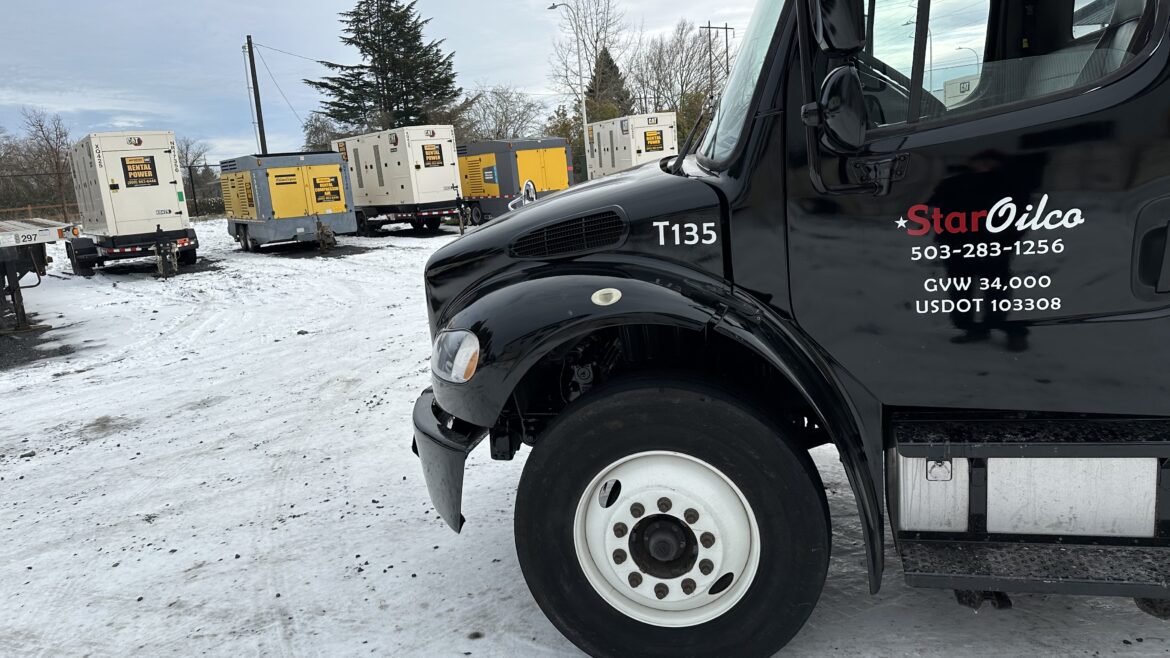
Star Oilco diesel fuel truck servicing portable generators on a snowy Portland job site
Do You Need a Diesel Loaner Tank? 1024 768 Star Oilco

Do You Need a Diesel Loaner Tank?

Did you know that Oregon allows temporary diesel tanks onsite for construction projects?

Order off-road diesel for your next construction project in the Portland, Oregon area and Star Oil will loan you a tank with your fuel purchase.

We also have routes to Longview, Washington and Salem, Oregon.

Wethose Fueling for Construction

Take the headache out of fueling your construction project with a temporary tank on the jobsite.

Star Oilco’s goal as a bulk diesel provider is to keep things simple. Make them easy, predictable, and also get the best price for our customers. We love serving construction sites with our mobile, onsite wet-hose service. But we notice sometimes construction projects can sometimes be tricky to fuel.

Planning your project around fuel is not what anyone wants to do. We make it easy by planning for regular stops at a regular time married with bulk equipment to get your price under control.

Generator Fueling Service

Star Oil provides full-service diesel construction fueling, including DEF.

Make sure your diesel generators, light sets, water pumps, air movers, and other project critical equipment are topped off with diesel and DEF.

It can be difficult to keep a construction site fueled with the stops and starts of projects. The coordination required to keep everything moving full speed while adjusting for the unexpected down times caused by subs, permitting, or weather, can be overwhelming. To “keep things simple,” which is our company motto, we know that locating a bulk diesel fuel tank on your jobsite can simplify your project’s fueling complexity. This provides you with a few days worth of fuel when you need it, while also lowering your cost of fuel.

We find that our customers benefit from lower prices and increased up time by placing a temporary bulk diesel tank in their project’s yard. Call Star Oilco for bulk fuel delivery and ask us about our ability to place a tank on your jobsite in the greater Portland ,Oregon or Vancouver, Washington area.

On-demand fueling service available upon request.

Diesel Tank Rental

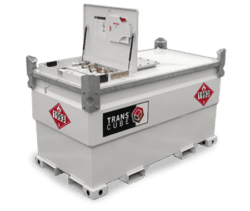
Star Oilco provides you with single wall 275 gallon and 550 gallon tanks with 110% containment for your short-term construction product at no cost. 550 gallon UL142 Fuel Cubes are also available for longer-term projects or projects requiring the ability to crane a tank. Bigger tanks and card control options are available, too. Whatever your tank need is, we’ll find solutions and make construction fueling easy.

For more information call 503-283-1256, email Dispatch@StarOilco.net or let us know below.


Contact Form

  • This field is for validation purposes and should be left unchanged.


Star Oilco also can provide fleet cards and wet-hose fueling service for your next project.

Star Oilco’s 6 Reasons to Use Wet Hose Fueling

Star Oilco’s 7 Ways to Stop Fuel Theft Before it Happens

Prepaid and Preset Fuel Cards for Your Small Business 

How to Eliminate Fuel Theft an Save Money

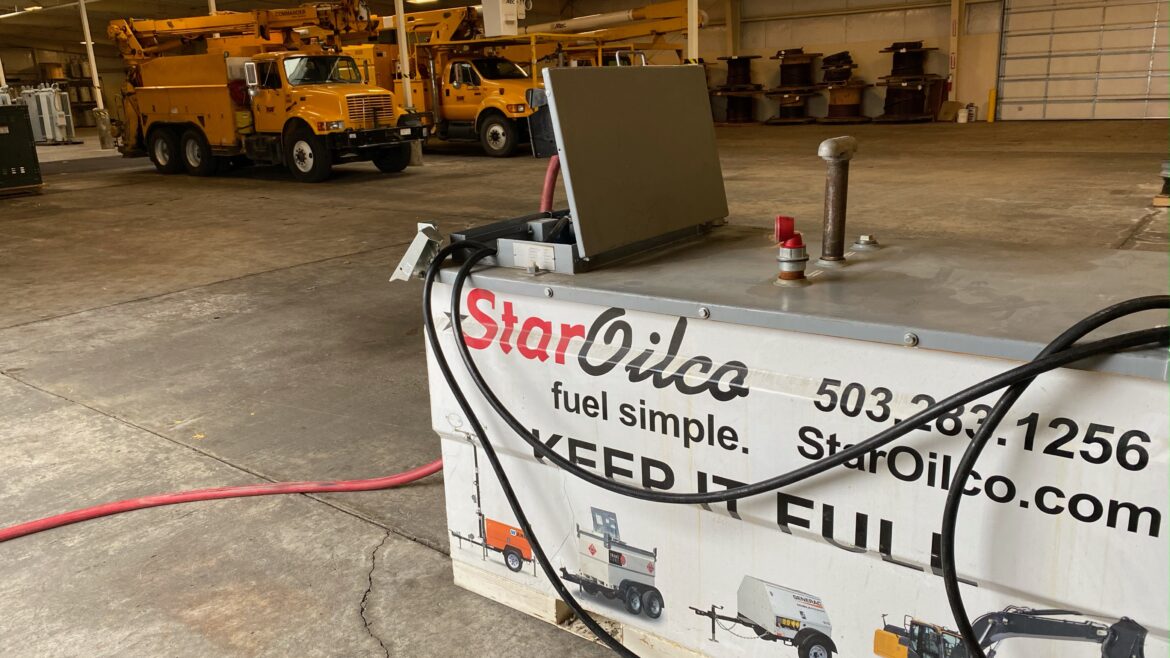
Star Oilco fuel tank and fueling system in a warehouse
Diesel storage tanks UL-2085 needed for modern Fire Code 1024 768 Star Oilco

Diesel storage tanks UL-2085 needed for modern Fire Code

What is required to install a fuel tank in Oregon?

A Tank that meets International Fire Code is a 2 Hour Fire Guard labeled tank.

In recent years Oregon and Washington have been moving to International Fire Code as their adopted standard. Following California with this higher standard of safety as it relates to liquid fuels.  The new standards are far more involved in their construction and therefore their installation as well. Heavy and far more expensive is the most notable standard of a modern Fire Marshall approved tank.

UL 142 – Double Wall Tanks

The old standard for diesel storage was UL-142 (commonly referred to as double wall or “diked tanks” by fleet managers).  These tanks are still made and extremely common throughout the US. If you see one of these tanks for sale and it looks like a great deal it’s probably because of an upgrade requirement causing them to sell it.  Be aware to check code in your local jurisdiction. These tanks still have a wide market for use especially for agricultural zones as well as temporary use with construction sites.

UL 2085 – 2 Hour Fire Guard and Double Wall Tanks

The new standard for storing diesel for refueling vehicles is the UL-2085. This code has been around for gasoline, it is only new in the way that Fire Marshall’s and local municipalities will require it for diesel fuels.

This standard has been around for a long time but typically was used when storing gasoline or more flammable liquids. That standard now applies to diesel fuels as well if they are being installed to refuel equipment, trucks or any other service.  Its worth noting that boilers, HVAC oil furnaces, and other plumbed stationary applications can still use the UL-142 code. Similarly agricultural use in Oregon is allowed a UL-142 use in most applications.  But for fleet fueling even if only a 100 gallon tank the Fire Marshall’s new standard is the UL-2085 concrete lined fire guard tank. It is also worth noting that if you have an installed UL-142 tank in a commercial or industrial zoned property you probably are okay with grandfathered use. But if you want to change anything the Fire Marshall and local Code Enforcement are going to be looking at the newer and safer standard.

Ask your local Fire Marshall to be sure of what the requirements are.

When discussing diesel storage tank options with your local Fire Marshall it helps to see the reason they have the standards they demand. Also be aware of other requirements that local jurisdiction may have. For instance Portland, Oregon’s Bureau of Environmental Services will often demand a cover be placed over the fueling area, an engineered concrete pad beneath it, as well as a potential oil water separator.  Usually there can be an additional permit and process associated with a tank install to meet the needs of a local Fire Marshall as well.

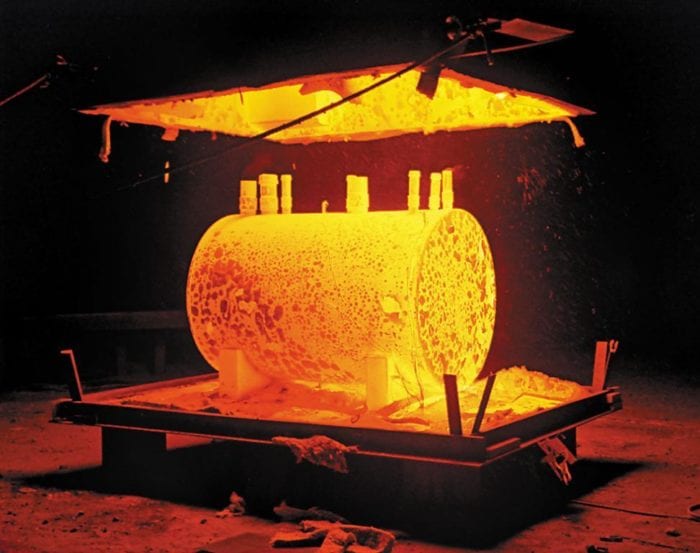
Two hour fire guard or UL-2085 rated tanks are the new standard in Oregon as we have adopted the International Fire Code. and the picture below says a thousand words. It will protect your property from a lake of fire preventing your diesel fuel from feeding disaster.

This is a great picture of a tank being tested for a two hour fire rating by a vendor of Star Oilco’s. Its speaks to why and what is the concern of your local regulator.

Modern Weld Company is a tank manufacturer out of California that makes great tanks to order exactly perfect for your site.

As they make what you need to the specifications you need you can make the Fire Marshall, local City Code enforcement, and your CFO happy at the same time.  If you have questions about installing a bulk diesel fuel tank to either UL-142 or UL-2085 standards give Star Oilco a call. We can help you meet UL codes for diesel, gasoline, biodiesel, or other storage needs.

Star Oilco white fuel truck with flammable fuel placard parked at a fueling facility
Renewable Diesel as a Major Transportation Fuel in California 1024 768 Star Oilco

Renewable Diesel as a Major Transportation Fuel in California

RENEWABLE DIESEL IS AVAILABLE

STAR OILCO HAS RENEWABLE DIESEL FOR YOUR FLEET

In the Pacific Northwest we have gone from a complete scarcity of Renewable Diesel availability to several players having terminal positions and this next generation sustainable fuel being readily available.  Star Oilco is ready to serve you with renewable diesel in several blends to meet both your fleet’s financial and carbon budgets.

For years California has lead the west coast with availability of renewable diesel and various blends with both petroleum diesel and biodiesel fuels. This experience is available in the research paper below to help inform your fleet in making decisions about de-carbonizing your fleets.

IS RENEWABLE DIESEL WORTH THE ADDED COST?

Fleet managers fell in love with this exceptionally high quality synthetic diesel fuel. Cleaner and drier than your typical petroleum diesel quite  a few believers are willing to pay a large premium for this fuel.  There are hardcore supporters of this fuel and it’s overall ability to reduce operational cost in far excess of it’s added cost. Which raises the next question.  Is it superior to petroleum diesel?

Caravan of white trucks on country highway under blue sky
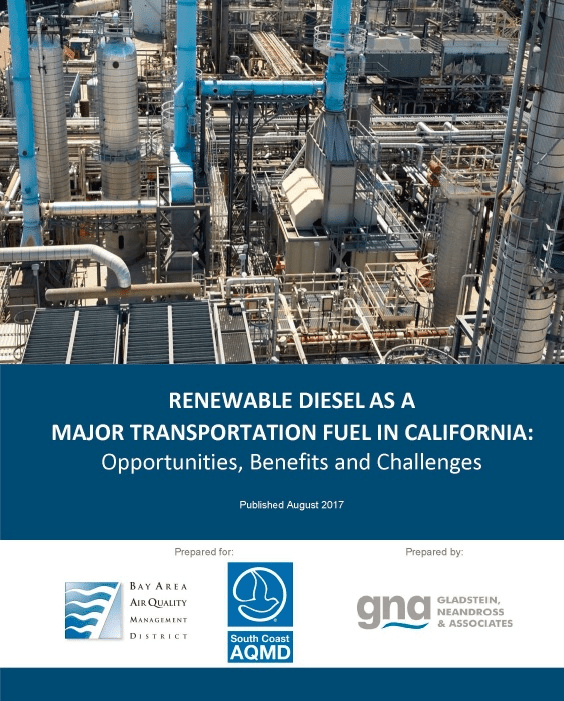
Report cover on renewable diesel as a major transportation fuel in California

IS RENEWABLE DIESEL SUPERIOR TO PETROLEUM DIESEL?

The answer points to yes based on initial experience rating the fuel on real world performance, fuel mileage, emissions system maintenance costs, and the much lower CO2 emissions.

The whitepaper shown is probably the most in depth resource for a fleet seeking to understand the potential of renewable diesel for its own use.

Renewable diesel is a next generation diesel fuel.  It has a low CO2 footprint similar to biodiesel, yet it is a high performance fuel that reduces down time and maintenance in urban stop-and-go fleet use.  Long story short, it is an impressive fuel solving many problems associated with modern clean diesel engines.

Given the newness of this fuel along, with the few producers of it, there is a real lack of in depth research on the subject.

If you have any questions about Renewable Diesel please feel free to contact us.

RENEWABLE DIESEL AS A MAJOR TRANSPORTATION FUEL

This white paper is the most in depth examination of Renewable Diesel operating in the real world. It covers a complete view of the product from the perspective of both fleets operating it and regulators seeking to reduce emissions. In our experience this is the most complete document you are going to find to advise a fleet considering using R99 Renewable Diesel.

Whitepaper – Renewable Diesel as a Major Transportation in California: Opportunities, Benefits, and Challenges.
Whitepaper that Gladstein, Neandross and Associates produced for the Bay Area Air Quality Management District and South Coast AQMD.

This report reinforces the manufacturers of renewable diesel’s statements and many anecdotal statements from fleets using the fuel. Renewable diesel sees superior performance in both emission reduction and performance in existing diesel technology. It is a cleaner burning and lower CO2 fuel that also contributes to a lower cost of vehicle maintenance.

According to this August 2017 report, California was on course to see approximately 250,000,000 gallons of R99 fuel sold in the state that year. This is a world-shaking volume of a next generation biofuel. With these readily adopted volumes, no doubt more product will be finding its way into the marketplace. The report cites a CARB expectation of the California Renewable Diesel market growing to over 2,000,000,000 (that’s BILLION) gallons in the next decade.

Portland city skyline with Mount Hood in the background
Diesel Fuel in Portland, Oregon 1024 683 Star Oilco

Diesel Fuel in Portland, Oregon

What is the difference between diesel fuel in Portland, Oregon and the rest of the Pacific Northwest?

Oregon Diesel Fuel

Star Oilco delivers and sells diesel fuel in Portland, Oregon.

We are ready for your diesel needs be they off-road, on-road, biodiesel, renewable diesel, or anything else you want.

Star Oilco has simple fuel solutions to keep your business moving.

On the West Coast, expect biodiesel blends to be in all diesel fuel. B5 biodiesel being the most commonly found fuel. Be aware though, in Oregon,  B20 biodiesel (a 20% blend of biodiesel mixed with petroleum diesel) is extremely common at retail throughout the state. B5 through B20 blends of biodiesel are becoming more common as Oregon’s legal framework regulates CO2 emissions requiring diesel sellers to blend biodiesel or charge substantially more for every gallon they sell.

On top of that, Oregon has a 5% biofuel blend mandate that can include a number of fuels, most commonly biodiesel and renewable diesel. Washington state also has a mandate for 5% biodiesel though it isn’t as specific as the Oregon mandate.

That’s Oregon Diesel. What about Portland?

The city of Portland has a stand-along city fuel tax due to its policy goals (which cause it to codify rules for low CO2 fuels and the sources of diesel in particular), as well as its own budget needs.

Portland, Oregon Diesel Fuel Mandates

A little known fact is that Portland, Oregon has its own biofuels mandate and fuel tax structure on diesel. This mandate affects all diesel equipment both on and off-road use. It does not affect boilers or HVAC systems though most people selling heating oil and boiler fuel are still handling a 5% biodiesel product to ensure they don’t cross fuel in violation of the law.

Functionally, the city of Portland’s mandate and Oregon’s specific mandate do not make a huge difference. Your biggest noticeable difference is the higher price due to the diesel fuel tax, given that Portland’s biofuel mandate now overlaps with Oregon state’s fuel mandates.

For more on the actual code for biofuel mandates in Portland, see the Portland City Code.

Until 2019, Portland had a 5% biodiesel “methylester” mandate. This meant that Portland mandated that all diesel fuel sold inside the city must contain 5% of biodiesel or sellers of fuel inside city limits would face a fine. For years, Portland actually checked every seller of diesel for a 5% biodiesel blend in person annually. This mandate also included feedstocks and did not allow for palm oil sourced biodiesel, as palm oil is responsible for a large amount of deforestation in Indonesia and other places. The Portland mandate required that half of all biodiesel blended to meet the 5% mandate must be derived from canola and waste vegetable oil sources, as Oregon can produce them.

In 2019, the city of Portland suddenly lined up their mandate to match the state of Oregon’s, which allows for renewable diesel to be used as a feedstock. Anything derived from palm is still a barred feedstock for the fuel to meet Portland mandate requirements (which is distinctly different than Oregon’s biofuel mandate).

Onsite Diesel wethose service Portland
Portland, Oregon Diesel Fuel Taxes

(NOTE: Read this article by Star Oilco for more on Oregon Fuel Taxes Explained.

In 2016, the city of Portland, Oregon created its own diesel tax of $.10 a gallon. This tax is on both gasoline and diesel fuels sold at retail or commercially.  If you are operating vehicles over 26,000 GVW that are exempt from Oregon road tax, Portland also has a weight mile for those tax exempt vehicles.

If you are fueling inside the Portland city limits, that diesel tax will be charged at the pump when you fill up unless you are a P.U.C. tax exempted vehicle in Oregon.

Find a list of every diesel and gasoline tax by city and municipalities in Oregon see the Oregon Fuel Tax Group.

If you have any questions about Portland, Oregon diesel fuel standards please feel free to call or message Star Oilco for more information.

Star Oilco is here to be your Bulk Fuel Supplier in Portland, Oregon.

Contact Form

  • This field is for validation purposes and should be left unchanged.


For more on the subject of Diesel fuel please read these other posts by Star Oilco on the subject:

Every Question Star Oilco has been asked about Biodiesel

Every Question Star Oilco has been asked about Off Road Diesel

About Diesel Fuel – Star Oilco’s Diesel Fuel FAQ

Oregon Biodiesel Tax Breaks for Retail Stations

Gas pump fueling a car with biofuel in front of a green farm field under a blue sky
B20 Biodiesel, a Proven Fuel 1024 408 Star Oilco

B20 Biodiesel, a Proven Fuel

Using Biodiesel in the Pacific Northwest.

(NOTE: B20 refers to 20% biodiesel blended with an 80% petroleum diesel percentage. B5 refers to 5% biodiesel blended with petroleum diesel which is the legally required blend percentage in Oregon state. For more on biodiesel basics, visit the US DOE.)

Biodiesel is the “Drop In Solution” used in the Pacific Northwest to reduce CO2 emissions in diesel equipment.

If you are looking to use Biodiesel in a fleet or a personal vehicle it is as easy as just asking for it.  In Oregon the fuel is everywhere.  From an Oregon and Washington state requirement for a minimum 5% of biodiesel blended with every gallon to large financial incentives this low carbon diesel fuel is ready for you if you want it.

It’s not just the Pacific Northwest.  For years B20 has been a defacto blend at some of the biggest names in fuel. When you pull up to the pump on the west coast you are likely getting B5 or B20 as a blend. In Oregon, B5 biodiesel is the required fuel by law. Oregon also has a B20 incentive for a waiver of state on road taxes.  Washington as well has requirements that biodiesel finds its way into retail and commercial diesel throughout the state.   Additionally, Oregon and California have “Clean Fuel Standard” programs which heavily incentivize low CO2 fuels like biodiesel.  Washington state is expected to pass their own Clean Fuel Standard as well this year.  Biodiesel has been a fact of life in fuel for over a decade in the United States and Pacific NW and it is not going away.

Due to a mix of federal and state incentives to use biodiesel, there can also be financial advantages for a fleet dedicated to making B20 biodiesel its fuel of choice. You can see evidence of this at truck stops and other retailers making B20 available in Oregon and Washington, as well as in the trucking lanes of the United States. America’s largest fleets are choosing B20 biodiesel in order to reduce their cost per mile. So can you.

In an effort to deliver the best value to truckers, many U.S. truck stops are blending biodiesel up to 20% when the market enables them to pass along a lower cost yet high quality ASTM specified diesel fuel to their customers. Most prominent is Pilot/Flying J, who lists where and when their sites are serving up B20 or lower blends. Pilot/Flying J buys biodiesel directly and blends on site in order to give their customers the best value possible. Loves Travel Centers also sell biodiesel blends around the U.S.

In Oregon, due to a diesel road tax waiver on B20 sales, gas station retailers Safeway, Leathers Fuel, Spaceage, and others are offering B20 biodiesel as their retail diesel offering. Oregon’s system requires the biodiesel be sourced from used vegetable oil refined biodiesel products. Biodiesel has been in Oregon’s fuel supply since 2006 when the city of Portland mandated B5 biodiesel blends within its city limits. The state of Oregon followed Portland with its own statewide mandate not long after.

(NOTE: If you operate a retail gas station and are curious about Oregon’s fuel tax breaks for biodiesel blends here is a more in depth article Oregon Biodiesel Tax Breaks for Retail Fuel Stations that explains these rules for retailers of fuel).

Biodiesel has been in our fuel system since 2006 and the technology that goes into making it has vastly improved. It is proven in diesel engine performance while also creating a diversified supply for energy and significantly reducing emissions from the working fleets of the world. Biodiesel substantially reduces emission coming out of your stack without a major impact on price because it helps to offset high diesel prices.

B20 Biodiesel A PROVEN FUEL

If you want to look at using B20 blends in your fleet, we are here to help. Star Oilco carries B20 blends for mobile onsite refueling every day of the week. We also have dyed/off-road/heating oil blends of B20. If you are an over the road fleet we can provide B20 at our cardlocks as well as help you procure it with a fleetcard over the road. Let us know if we can be of help.

Contact Form

  • This field is for validation purposes and should be left unchanged.