

Posts By :

Sunny Battazzi

Hand placing coin in jar labeled save with stacked coins beside it
Ways To Save Money On Heating Oil 1024 683 Star Oilco

Ways To Save Money On Heating Oil

Saving money on heating oil can help reduce costs during the cold season.

Here are some ways to save money on heating oil this season: 

Turn down your thermostat.

Typically your bill will be reduced by one to three percent every degree you lower the thermostat. You could save up to 12 percent on your heating costs by setting your thermostat to 68 degrees Fahrenheit instead of 72.

Use a programmable thermostat.

It is possible to set your thermostat to different temperatures at different times of the day with a programmable thermostat. You could, for instance, set it to turn down the heat while you sleep or are away from home. 

Man adjusting home thermostat to lower heating cost

Seal drafts.

If there are drafts in your home, cold air can enter and make your home less energy-efficient. You should look for drafts around doors, windows, and other openings in your home. A door sweep, caulk, or weatherstripping can be utilized to seal drafts around doors and windows to saving money on your heating bill.

Insulate your home.

You can keep your home warm in the winter and cool in the summer by installing insulation in your home. The attic, the walls, and the basement of your home can all be insulated if it is not well insulated already.

Have your heating system tuned up.

You may be able to increase the efficiency of your heating system and reduce your heating costs by having a heating system tune-up performed. A professional tune-up will examine the system and look for any potential problems or inefficiencies. They will also be able to adjust any settings or adjust the thermostat to maximize heating oil efficiency. Having a professional tune-up can help ensure that your heating system is running as efficiently as possible.

Cozy living room with burning fireplace and firewood stack

Here are some additional tips for saving money on heating oil this year:

It is important to keep your fuel tank full as often as possible. The purpose of this is to avoid condensation from forming in the tank, which can then lead to corrosion and rust as a result. 

Radiator bleed keys can be used to remove air from radiators. As a result, your heating system will run more efficiently. Bleeding radiators also helps to prevent corrosion in the heating system. It also helps to prevent overheating. 

Make sure you clean your furnace filter on a regular basis. It is possible for a dirty filter to restrict airflow and make your system work harder as a result. Dirty filters can also cause your furnace to overheat, reducing its lifespan. It’s important to keep up with regular maintenance and cleaning to keep your furnace running smoothly. 

Consider upgrading to a more efficient heating system. Purchasing a newer, more efficient heating system could allow you to save a lot of money on your heating costs in the long run if your current heater is old or outdated. You can also benefit from lower emissions and improved air quality. Newer heating systems are also more reliable and less likely to break down. 

By following these tips, you can save money on your heating oil costs and keep your home warm and comfortable all winter long. Check your furnace and heating system regularly to make sure it is running efficiently and repair any leaks. Consider investing in a programmable thermostat and setting it to automatically adjust the temperature at night and when you are not home. You can use more insulation to keep the heat inside your home. Keep curtains and blinds closed during the day to keep the cold out and open them at night to let the warm air in. Clean your fireplace regularly to ensure it is operating properly. You can also use energy-efficient light bulbs and appliances to help further reduce your energy costs. By following these simple tips, you can reduce your heating oil costs and create heat savings throughout the colder months of the year. 

Sign up for our newsletter to stay up to date on new articles.

Name(Required)

lose-up of a red fuel nozzle at a green diesel pump
Renewable Diesel vs Biodiesel 683 1024 Star Oilco

Renewable Diesel vs Biodiesel

What’s the difference and how do they compare in price? 

If you are looking for a cleaner and greener alternative to diesel fuel, you might have come across two options: renewable diesel and biodiesel. Both fuels are made from organic sources, such as vegetable oils and animal fats, but they have different production processes and properties. In this blog post, we will compare renewable diesel and biodiesel in terms of their pros and cons, as well as their prices and incentives in Oregon. 

What is Renewable Diesel? 

Renewable diesel is a fuel that is chemically identical to petroleum diesel, but it is made from renewable raw materials through a process called hydrotreating. Hydrotreating removes impurities and oxygen from the feedstock, resulting in a pure and refined fuel that can be used in any diesel engine without modifications or blending. Renewable diesel (R99) has a high cetane number, which means it ignites easily and burns efficiently. It also has a low cloud point, which means it can withstand cold temperatures without gelling or clogging filters. 

What is Biodiesel? 

Biodiesel is a fuel that is made from renewable raw materials through a process called transesterification. Transesterification converts the feedstock into fatty acid methyl esters (FAME), which are then blended with petroleum diesel at various ratios. Biodiesel can be used in most diesel engines, but it may require some modifications or adjustments depending on the blend level and the engine type. Biodiesel has a lower cetane number than renewable diesel, which means it may not ignite or burn as well. It also has a higher cloud point than renewable diesel, which means it may gel or clog filters in cold weather. 

The cost of renewable diesel and biodiesel depends on various factors, such as the type and availability of feedstock, the production process, the market demand, and the government incentives. In general, renewable diesel is more expensive than biodiesel, as it requires more complex processing and higher quality feedstock. According to the U.S. Energy Information Administration (EIA), the average wholesale price of renewable diesel in California was $3.06 per gallon in October 2021, while the average wholesale price of biodiesel was $2.76 per gallon in the same month. However, both renewable diesel and biodiesel can benefit from federal RIN’s and state credits such as the low carbon fuel standards, which can lower their effective prices and make them more competitive with petroleum diesel. As of July 10th of 2023 renewable diesel (R99) in Portland Oregon was 60 cents higher than biodiesel (B99). 

 Renewable Diesel vs Biodiesel Carbon Intensity 

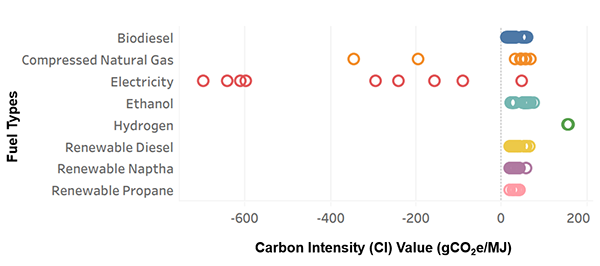
According to CARB, the carbon intensity of biodiesel ranges from 14.85 to 67.45 gCO2e/MJ and, renewable diesel ranges from 15.84 to 62.86 gCO2e/MJ, depending on the feedstock and production pathway. The lowest carbon intensity for biodiesel is achieved by using waste cooking oil as the feedstock and renewable methanol as the transesterification agent. The highest carbon intensity is associated with using soybean oil as the feedstock and fossil-based methanol as the transesterification agent. The lowest carbon intensity for renewable diesel is achieved by using waste cooking oil as the feedstock and renewable hydrogen as the hydrotreating agent. The highest carbon intensity is associated with using soybean oil as the feedstock and fossil-based hydrogen as the hydrotreating agent. 

Fuel-Pathways-Carbon-Intensity-Values

Pros and Cons of Renewable Diesel and Biodiesel 

Both renewable diesel and biodiesel have some advantages and disadvantages compared to petroleum diesel. Here are some of the main pros and cons of each fuel:  

Renewable Diesel Pros: 

– Reduces greenhouse gas emissions by up to 75% compared to petroleum diesel 

– Reduces tailpipe emissions of particulate matter, nitrogen oxides, carbon monoxide, and hydrocarbons 

– Improves engine performance and efficiency with fewer regeneration cycles of the emissions system 

– Compatible with existing infrastructure and vehicles 

– Biodegradable and nontoxic 

Renewable Diesel Cons: 

– More expensive than petroleum diesel 

– Limited availability and supply 

– May increase emissions of sulfur dioxide 

Biodiesel Pros: 

– Reduces greenhouse gas emissions by up to 78% compared to petroleum diesel 

– Reduces tailpipe emissions of particulate matter, carbon monoxide, and hydrocarbons 

– Biodegradable and nontoxic 

– Supports domestic agriculture and energy security 

 Biodiesel Cons: 

– May increase emissions of nitrogen oxides 

– May cause engine problems such as injector coking, filter plugging, corrosion, and reduced lubricity 

– May degrade over time or when exposed to water or microbes 

Oregon Prices and Incentives for Renewable Diesel and Biodiesel 

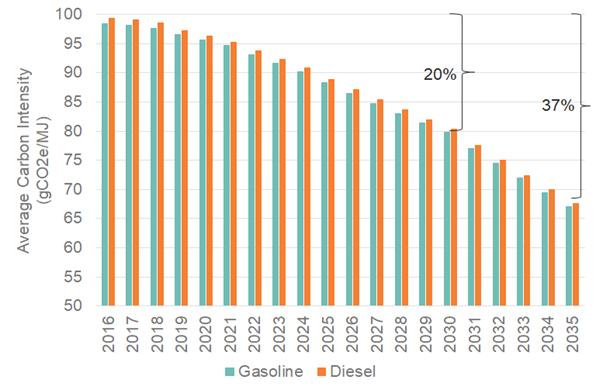
Oregon is one of the states that has adopted a Clean Fuels Program (CFP), which aims to reduce the carbon intensity of transportation fuels by 10% by 2025. The CFP creates a market for low-carbon fuels such as renewable diesel and biodiesel by requiring fuel suppliers to either blend them with petroleum diesel or buy credits from low-carbon fuel producers. The CFP also provides incentives for consumers to use low-carbon fuels by reducing their fuel taxes. 

According to the Oregon Department of Environmental Quality (DEQ), the average price of diesel in Oregon as of November 2021 was $3.87 per gallon. The average price of biodiesel blends ranged from $3.88 per gallon for B5 (5% biodiesel) to $4.01 per gallon for B20 (20% biodiesel). The average price of renewable diesel was $4.05 per gallon. As of July 2023 the price of renewable diesel (R99) in Oregon was 50 to 60 cents higher than biodiesel (B99). 

The DEQ also provides a Fuel Cost Calculator that allows consumers to compare the costs and benefits of different fuels based on their vehicle type, fuel efficiency, annual mileage, fuel price, carbon intensity, and tax rate. According to the calculator, using renewable diesel instead of petroleum diesel would save an average consumer $34 per year in fuel costs and reduce their carbon emissions by 1.6 metric tons per year. Using biodiesel instead of petroleum diesel would save an average consumer $12 per year in fuel costs and reduce their carbon emissions by 0.8 metric tons per year. 

Renewable diesel and biodiesel are both viable alternatives to petroleum diesel that can help reduce greenhouse gas emissions and support renewable energy sources. However, they also have some trade-offs in terms of cost, availability, performance, and emissions. Consumers should consider their vehicle type, driving habits, fuel preferences, and environmental goals when choosing between these fuels. Oregon offers some incentives and programs to encourage the use of low-carbon fuels such as renewable diesel and biodiesel, which can help consumers save money and reduce their carbon footprint. 

Diesel fuel flowing into a dark reflective liquid surface
How Heating Oil Works 1024 578 Star Oilco

How Heating Oil Works

During the colder months, heating oil is a widely used fuel source for residential heating systems. Understanding the processes of how heating oil works can help homeowners make informed decisions, ensure optimal equipment performance, and maximize energy efficiency. 

Production and Composition of Heating Oil:  

Heating oil is a petroleum-based product derived from crude oil. As with gasoline and diesel fuel, it is refined by removing impurities and separating it from other petroleum products. Generally heating oil consists of hydrocarbons, including long-chain alkanes and aromatic compounds although the specific composition of heating oil may vary slightly. 

Storage and Delivery:  

Above ground and underground tanks are typically how heating oil is stored, located on the property where it is needed. The oil is delivered by specialized trucks that transport it from refineries or storage facilities, pumping it from the truck into the storage tank. Tanks are equipped with various protective measures, such as overfill prevention devices and leak detection systems. 

View our heating oil tank chart here.

Close-up of yellow gas pipe with shut-off valve and metal connector

Combustion Process:

Heating oil operates in a similar manner to other fossil fuels when it comes to the combustion process. The oil is drawn from the storage tank to the burner in the heating system, where it mixes with air and is atomized into a fine spray. This mixture is then ignited by an electric spark or a pilot flame, generating heat that warms the air or water circulated throughout the house. 

Heating oil combustion occurs in a combustion chamber or a furnace. This is where the heat is transferred to a heat exchanger. Afterwards, the heat exchanger transfers heat to air or water, which is distributed throughout the house through ductwork or pipes. The byproducts of the combustion process, including carbon dioxide, water vapor, and small amounts of sulfur dioxide, are safely vented outside. 

How efficient are heating oil systems? 

The energy efficiency of a heating oil system varies depending on the efficiency of the burner and the overall system design. Heat can be most maximized by using high-efficiency burners and making sure equipment has been well-maintained to minimize fuel consumption and reduce emissions. 

Over the years, there have been significant advancements in heating oil technology to enhance the overall performance. Ultra-low sulfur heating oil (ULSHO) has become more common, with sulfur content reduced to less than 15 parts per million (ppm). This significantly reduces sulfur dioxide emissions. Biodiesel blends, made from renewable sources such as soybean oil or recycled cooking oil, can also be mixed with heating oil to further reduce carbon emissions. 

Miniature house wrapped in a warm blue scarf to symbolize home heating

Heating oil plays a crucial role in keeping our neighbors in Portland, Oregon warm and comfortable during the winter months. Understanding the production process, storage and delivery methods, combustion process, and environmental considerations associated with heating oil can help homeowners make educated and informed decisions, ensuring they have an efficient operation with their equipment, and they can even contribute to a greener future. 

Thank you for choosing Star Oilco at your home for education and heating oil delivery services in the Portland, Oregon surrounding area. We’re happy to serve our customers and “Keep It Full”! 

Yellow Star Oilco truck at sunrise on a rural Oregon property
Where is Renewable Diesel Being Produced in The United States? 1024 768 Star Oilco

Where is Renewable Diesel Being Produced in The United States?

The United States has witnessed a remarkable shift towards renewable energy in recent years, with a growing emphasis on reducing greenhouse gas emissions and achieving a sustainable future. Renewable diesel has emerged as a alternative to conventional petroleum-based diesel, while providing engine performance on par with petroleum diesel. 

renewable-diesel-united-states

Renewable Diesel Producers in the United States:

Neste:

Neste, a global leader in renewable diesel production, has made significant strides in the United States. The company operates multiple renewable diesel refineries across the world, including its flagship facility in Rotterdam, the Netherlands. To cater to the growing demand in North America, Neste has expanded its production capacity in the United States. The company’s renewable diesel is derived from 100% renewable raw materials, such as waste fats and vegetable oils, resulting in a fuel with significantly lower carbon emissions. Neste has already established a strong presence in the United States, and their production volumes are expected to increase significantly over the next five years. 

Renewable-Diesel-Sustainably-Made-With-Raw-Materials

Diamond Green Diesel  (Valero and Darling Ingredients):

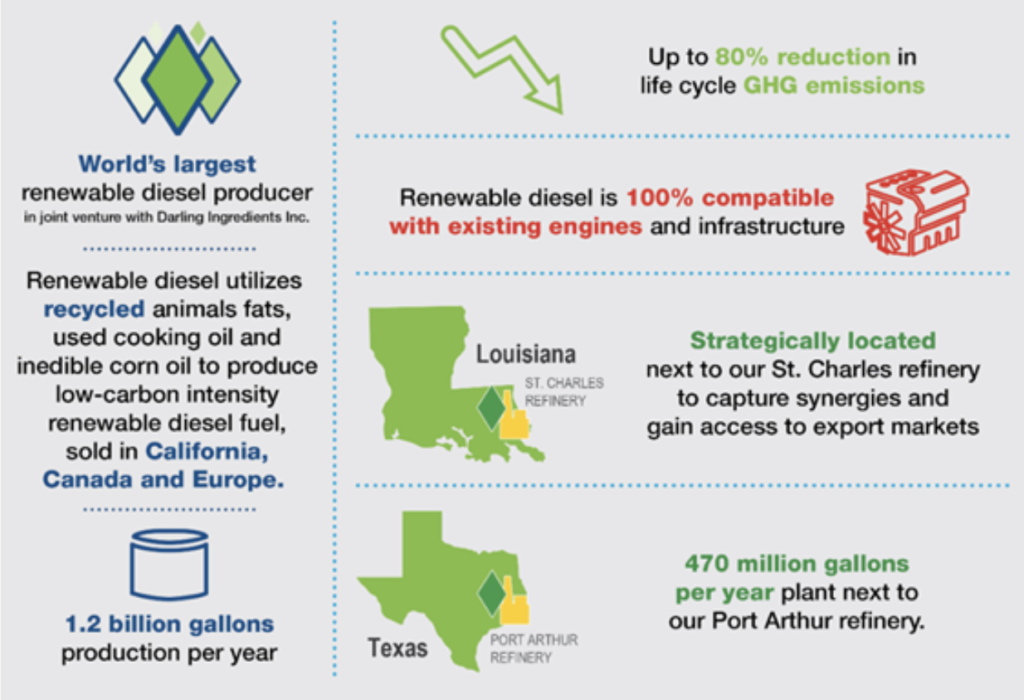
Diamond Green Diesel (DGD) is a joint venture between Valero Energy Corporation and Darling Ingredients Inc. that focuses on producing renewable diesel in the United States. The DGD facility, located in Norco, Louisiana, is one of the largest renewable diesel refineries in the country. It has the capacity to produce approximately 18,000 barrels per day (bpd) of renewable diesel, equating to over 600 million gallons per year. The joint venture partners are committed to expanding their renewable diesel production capabilities, with future projects expected to increase production volumes even further. 

worlds-largest-renewable-diesel-producer

Renewable Energy Group (REG):

Renewable Energy Group (REG), headquartered in Ames, Iowa, is a leading producer of advanced biofuels, including renewable diesel, in the United States. The company operates multiple bio-refineries across the country, strategically located to maximize feedstock availability and transportation logistics. REG’s renewable diesel production is expected to witness significant growth in the coming years due to increasing demand and favorable regulatory policies promoting renewable fuels. The company has continuously invested in expanding its production capacity, making them a key player in the renewable diesel market. 

Marathon Petroleum Corporation:

Marathon Petroleum Corporation, one of the largest petroleum refining companies in the United States, has also entered the renewable diesel market. The company is repurposing existing refining infrastructure to produce renewable diesel from a variety of feedstocks, including soybean oil, corn oil, and animal fats. Marathon Petroleum aims to capitalize on its extensive refining capabilities and distribution network to expand its renewable diesel production and meet the growing demand for sustainable transportation fuels. 

Estimated Production Volumes and Driving Factors: 

The production of renewable diesel in the United States is expected to experience substantial growth over the next five years. While precise figures can vary due to market dynamics and regulatory changes, industry experts anticipate a significant increase in production capacity and output. Factors driving this growth include: 

Renewable Fuel Standards (RFS) and Low Carbon Fuel Standards (LCFS):

Federal and state-level regulations, such as the Renewable Fuel Standard (RFS) and Low Carbon Fuel Standard (LCFS), have played a pivotal role in incentivizing the production and consumption of renewable fuels, including renewable diesel. These policies impose blending mandates and create markets for renewable fuels, encouraging companies to invest in production infrastructure and increasing overall production volumes. 

clean-fuels-program-oregon

Environmental Sustainability Goals:

The commitment to environmental sustainability and reducing carbon emissions has become a top priority for businesses, governments, and consumers alike. Renewable diesel, otherwise referred to as R99, offers a viable solution for achieving these goals, as it significantly reduces greenhouse gas emissions compared to traditional diesel. The increasing awareness and demand for cleaner transportation fuels are expected to drive the production of renewable diesel in the United States. 

Investment in Production Infrastructure:

Major players in the energy industry, such as Neste, Valero, and Marathon Petroleum, have made substantial investments in retrofitting existing refineries and constructing new facilities dedicated to renewable diesel production. These investments indicate a long-term commitment to renewable diesel and signal the potential for significant production increases in the coming years. 

Renewable diesel production in the United States is poised for remarkable growth over the next five years, driven by regulatory support, environmental sustainability goals, and significant investments by key industry players. Companies like Neste, Diamond Green Diesel, Renewable Energy Group, and Marathon Petroleum are leading the charge, expanding their production capacities to meet the growing demand for sustainable transportation fuels. With these advancements, the United States is well on its way to achieving a greener and more sustainable future, reducing carbon emissions and promoting a cleaner energy landscape. 

Close-up of green diesel nozzle fueling a generator unit outdoors
Diesel fuel flowing into a dark reflective liquid surface
Simplifying Heating Oil and Diesel 1024 578 Star Oilco

Simplifying Heating Oil and Diesel

Are Heating Oil and Diesel Twins or Cousins? 

We want to help simplify and understand heating oil and diesel for your heating oil tank. In the world of fuels, heating oil and diesel often find themselves under the spotlight, with many questioning their similarities and differences. While both derived from crude oil and share a similar chemical composition, there are subtle distinctions that set them apart. We want to dive into the intricacies of these two fuels to explain the unanswered questions between their relationship. 

Chemical Composition: A Shared Foundation 

Heating oil, also known as No. 2 fuel oil, and diesel fuel are both distillates of crude oil, meaning they are separated from crude oil through a process called fractional distillation. This process involves heating crude oil to different temperatures, causing different fractions of hydrocarbons to vaporize and condense at specific points. Heating oil and diesel fall within the middle distillate range, sharing a similar chemical makeup. 

Dyeing for Distinction: A Mark of Identity 

The most apparent difference between heating oil and diesel lies in their coloration. Heating oil is typically dyed red, a result of adding a dye mandated by law to distinguish it from untaxed fuels like off-road diesel. This visual distinction serves as a deterrent against tax evasion and misuse of fuels. 

Sulfur Content: A Matter of Emissions 

Another key distinction between heating oil and diesel lies in their sulfur content. Heating oil typically has a lower sulfur content compared to diesel fuel. Sulfur in fuel contributes to the formation of harmful air pollutants like sulfur oxides, which can cause respiratory problems and acid rain. The lower sulfur content in heating oil makes it a cleaner-burning fuel compared to diesel. 

Intended Use: A Tale of Two Applications 

While heating oil and diesel share a similar chemical foundation, their intended uses diverge significantly. Heating oil is primarily used for residential and commercial heating systems, providing warmth to homes and businesses. Diesel fuel, on the other hand, is primarily used in diesel engines, powering vehicles like trucks, buses, and generators. 

Interchangeability: A Limited Substitution 

In a pinch, heating oil can be used as a substitute for diesel fuel in emergency situations. However, long-term use of heating oil in diesel engines is not recommended due to potential damage to the engine’s fuel injection system and emission control components. Similarly, using diesel fuel in heating systems is not advisable as it may lead to soot buildup and inefficient combustion. 

Conclusion: Distinct Yet Related 

Heating oil and diesel may appear as twins at first glance, but upon closer inspection, their unique characteristics emerge. While they share a similar chemical composition, they differ in their dye color, sulfur content, and intended use. Heating oil serves as a reliable source of warmth for homes and businesses, while diesel fuel powers the engines that drive our world. While they can be substituted in dire circumstances, long-term use of one fuel in the other’s application can lead to adverse consequences. Understanding the nuances of these two fuels allows us to make informed decisions for their optimal utilization. 

Questions often times arise regarding the above information with heating oil or diesel for your heating oil tank. We encourage you to reach out to one of our fuel experts on our team to help answer additional questions you may have. Star Oilco is here to provide quality and fast service to our customers and help make fueling easy. Star Oilco will keep your tank full. It’s what we do best. 

JOIN THE FUEL MARKET REPORT NEWSLETTER FOR YOUR WEEKLY FILL OF UPDATES!

Name
Green oil droplets suspended in liquid under magnification
Understanding the Benefits of Renewable Diesel 1024 683 Star Oilco

Understanding the Benefits of Renewable Diesel

In an era of environmental consciousness and sustainable alternatives, the need for renewable energy sources has become increasingly evident. One of the notable contenders in this field is renewable diesel —a clean-burning, low-emission fuel that could revolutionize the transportation sector. We will dive into renewable diesel, exploring its production process, environmental benefits, and potential to replace petroleum-based diesel. 

What is renewable diesel? Renewable diesel, also known as green diesel or second-generation biodiesel, is a next-generation alternative fuel derived from sustainable feedstocks such as vegetable oils, animal fats, and waste fats and oils. Unlike traditional biodiesel, which is typically produced through transesterification, renewable diesel is synthesized through hydro-treating. This process removes oxygen from the feedstocks, resulting in a cleaner and more energy-dense fuel that is chemically identical to petroleum-based diesel. 

Environmental Benefits: 

  1. Reduced greenhouse gas emissions: One of the primary advantages of renewable diesel is its significant reduction in greenhouse gas emissions. Studies have shown that renewable diesel can reduce carbon dioxide (CO2) emissions by up to 80% compared to petroleum diesel. This reduction is attributed to the use of sustainable feedstocks, which have a lower carbon intensity than fossil fuels.
  2. Improved air quality: Renewable diesel has lower levels of particulate matter, nitrogen oxides (NOx), and sulfur emissions than conventional diesel. Renewable diesel combustion produces fewer harmful pollutants, leading to improved air quality and a decrease in respiratory and cardiovascular health risks for both urban and rural communities.
  3. Sustainable feedstock utilization: Renewable diesel can be produced from a wide range of feedstocks, including used cooking oil, animal fats, and waste oils. By utilizing these feedstocks, the fuel industry can promote the circular economy by reducing waste and repurposing materials that would otherwise end up in landfills. Furthermore, growing dedicated energy crops for renewable diesel production can be done sustainably, without deforestation or compromising food production. 

Advantages Over Traditional Biodiesel:  

  1. Compatibility with existing infrastructure: Unlike traditional biodiesel, renewable diesel can be seamlessly blended with petroleum diesel or used as a drop-in replacement without modifications to existing diesel engines or distribution infrastructure. This characteristic makes it an attractive option for achieving immediate emissions reductions in the transportation sector.
  2. Superior cold-weather performance: Renewable diesel exhibits excellent cold-weather performance compared to conventional biodiesel. It has a lower cloud point and a higher cetane number, which ensures better ignition and combustion even in cooler climates. This attribute makes it a more reliable fuel choice, particularly in regions with frigid winters.
  3. Higher energy density: Renewable diesel has a higher energy density than biodiesel, resulting in increased fuel efficiency and mileage. This benefit translates to longer driving distances per gallon of fuel, making renewable diesel an economically viable choice for vehicle owners and fleet operators. 

Renewable diesel represents a groundbreaking alternative to petroleum-based diesel, offering a host of environmental benefits and paving the way for a greener and more sustainable future. With its significant reduction in greenhouse gas emissions, improved air quality, and compatibility with existing infrastructure, renewable diesel presents a strong case for a need and desire for a widespread adoption in the transportation sector. As renewable energy technologies continue to evolve, embracing renewable diesel can be a crucial step towards reducing our dependence on fossil fuels.

Star Oilco fuel delivery truck parked beside commercial fleet vehicles on a wet asphalt lot
Star Oilco Speaks On Decarbonizing Heavy Duty Trucks 1024 768 Star Oilco

Star Oilco Speaks On Decarbonizing Heavy Duty Trucks

Decarbonizing Heavy Duty Fleets By Using B99 Biodiesel.

Mark Fitz joined the Clean Cities Coalition Mindful Mobility Tech Talk series for their High GHG Reductions webinar. Mark spoke on the benefits of B99 and how fleets can begin decarbonizing their emissions today!
On September 28th, 2022, three representatives were invited to speak on how they are not only saving large amounts of energy but are also having a big impact on reducing greenhouse gas emissions.

B99 Biodiesel reduces CO2 footprint of a 105,500 GVW truck and trailer by more than half at a lower cost than petroleum diesel.

How Can I Utilize B99 or B100 for Decarbonizing My Own Fleet?

Star Oilco uses The Vector System developed by Pittsburgh-based Optimus Technologies. The Vector System allows upgrades for any medium or heavy-duty engine to operate on 100% biodiesel. This is the only EPA-compliant biodiesel engine system and can be installed in as little as 12 hours. Contact Optimus Technologies or reach out to Star Oilco locally to learn more about The Vector System.

Star Oilco’s Field Test

Star Oilco fielded the Optimus Technologies system on our 105,500 GVW truck and trailers.  We began with a single Freighliner truck and trailer operating a Cummins ISX as a trial.  This truck’s typical route was approximately 305 miles round trip from Portland, Oregon to Grays Harbor, Washington.

Over the last year and a half this truck has performed amazingly well. The only maintenance concern is swapping the fuel filters more regularly with every oil change.  Neither drivers nor our Elog system noticed differences in mileage and power.  On a few occasions a loss of power was experienced requiring an in between service fuel filter swap.

Follow the links below for more information on B99 Biodiesel and Star Oilco’s field test of the Optimus Technologies System:

B99 Biodiesel As A Heavy Duty Fuel

Biodiesel As A Heavy Duty Low Co2 Solution

This event is part of the Columbia Willamette Clean Cities Coalition’s Mindful Mobility Tech Talk series.  A series designed to educate and expand on the evolving trends in fleet technology relevant to fleets seeking to decarbonize their miles traveled.