
• 232 NE Middlefield Rd, Portland, OR 97211

Posts By :

Mark

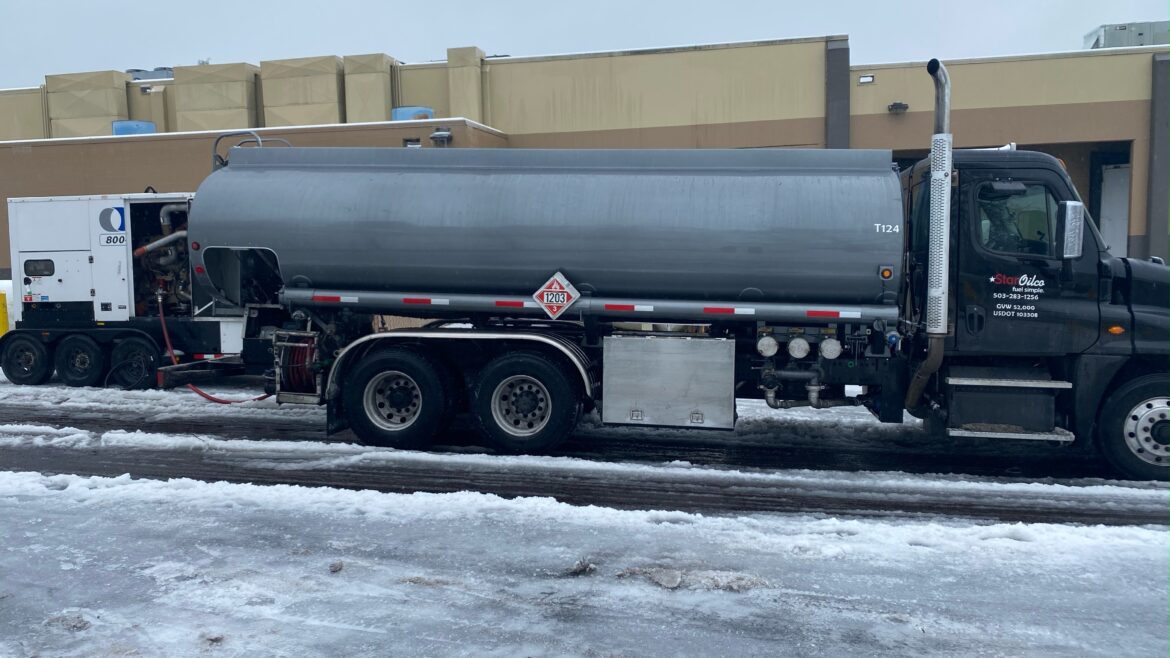
Star Oilco fuel tanker truck delivering diesel to refrigeration unit during icy winter conditions
Do you need Refrigerated Trailer fuel? We fuel reefers automatically. 1024 768 Star Oilco

Do you need Refrigerated Trailer fuel? We fuel reefers automatically.

Refrigerated Trailer Fueling Service.

Dyed Diesel delivered to your trailer.

Need to keep your refrigerated trailer running during the summer heat in the Pacific Northwest? When temperatures rise, having a reliable reefer trailer is more important than ever to protect your inventory. That’s where Star Oilco comes in. Our team provides fast, dependable refrigerated trailer fuel delivery in Portland, Salem, Vancouver, and nearby areas. We’ll keep your cold storage trailers fueled and your goods safe, so you can focus on your business, not the weather.

Keep your refrigerated trailer running with our automatic keep full program.
Reefer trailer fuel service

Refrigerated trailers, often also called “reefers” in trucking.  These are popular in grocers, food processors, and many other industries. Reefers expand refrigerated inventory for grocers during the food rush of the holidays, and Star Oilco is ready to keep your inventory cold.

Star Oilco is the Portland area’s leading refueler of refrigerated trailers. We’re ready to help you expand your on hand inventory by supplying dyed diesel for your refrigerated trucks. We have the industry’s lowest price for service, a flat fee of $65 for service on an automatic keep full schedule. We’ll keep your inventory the right temperature this holiday season! Our trucks are ready and on the road driving past your location. This program is designed specifically in response to grocers and food processors needing a partner to simplify their refrigeration needs during their busiest time of year.

We make it one less thing to worry about.

How often should you fuel your refrigeration trailer?

Reefer Trailers typically can run for two days without a refuel if opened only once or twice a day.  Three days if you go a weekend without opening the trailer if fueled on Friday.  If you have staff leaving the door open regularly expect to need fuel daily.

Refrigerated trailer fueling. Keep full program.

Call for service. The first step is to open an account or run the service on a credit card, fleet card, or other payment method used by your business. 

Star Oilco can provide either Ultra Low Sulfer B5 Diesel, or low CO2 R99 Renewable Diesel to your reefer. All fuels are dyed and for off-road use to avoid the expensive taxes associated with using clear diesel from a gas station pump. All of our dyed diesel is treated with Hydrotex PowerKleen Premium Diesel. This additive guarantees long-term storage stability and improves performance at time of combustion.

A refrigerated trailer typically burns between 10 and 15 gallons a day in the Portland area during the winter. In our experience, fuel burns faster if the door is continually opened. Some customers are able to get by with service twice a week. Given this experience, we usually recommend a refill schedule of three days a week. This ensures you have no downtime or worry with the refrigerated trailer.

Customers on automatic keep full schedule receive emergency response services for fuel theft at no additional charge. We will be there for you to make running your business that much easier.

Also remember if you are storing a trailer onsite for back up or overflow purposes you will want to prepare the fuel in the tank for long term storage. Star Oilco’s fuel additives ensure the storage and make sure your refrigerated trailer fires when you need it to.

To set up Refrigerated Trailer Refueling Service call or email our office.

We are ready to keep you full.

Construction equipment fuel delivery service

Message us below if you want to get a call back from our Dispatch about setting up service or call 503-283-1256 for immediate service.

Contact Form

  • This field is for validation purposes and should be left unchanged.
Icons representing fuel, savings, and driver control for fleet card security
Upgrade your Fleet Card’s Security Features 1024 653 Star Oilco

Upgrade your Fleet Card’s Security Features

Human Resource strategies to stop employees from stealing gas and diesel in your  business with these best practices.


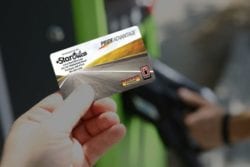
Upgrade the security features on your Pacific Pride fuel cards with Star Oilco.

Are you looking to use a corporate fleet card to simplify your fuel buying while also knocking out your exposure to employee gas theft?
Star Oilco can make that easy for you.

Regardless of what system you choose, there are some organizational best practices, that when implemented, will be self-reinforcing in your organization. Simple little changes to how you approach fuel cards will greatly reduce any opportunity for theft.

Whether you use a Pacific Pride, Voyager, WEX, Comdata, Fuelman, or CFN corporate fleet card, you can take inventory of what you are currently doing and upgrade that process with these best practices.

Fleet Card Best Practice #1: Your current vendor should be able to assist you with securing your fleet card.  Call your current card provider and ask for a list of every active card, the last time it was used, the PINs associated with these cards, and security features associated. Check these against your next bill to see what cards aren’t being used.  Turn off a card not being used.

Fleet Card Best Practice #2: Annually take inventory of what cards you have and who is using them. Line up this list of active cards with your employees and make sure there isn’t a lost card out there.  Often a card policy implemented by Human Resources or your Dispatcher is a good way to track what employees have what cards.

On a regular basis, pass a clip board around asking each employee with a fleet card to confirm they still have that card and initial a confirmation that the card is still in their possession.  You would be surprised how individual cards can float between employees as it is easier than asking for a new card.

Fleet Card Best Practice #3: Audit your transactions regularly. This is a great project for your Account’s Payable to look through. Check against the card list of active cards looking for transactions that occur outside of normal business hours and days. Look for locations outside of your service area as well.  Also look for cards with more than one transaction in a day or large volumes as often that’s theft.

Fleet Card Best Practice #4: Put your Fleet Cards on the key ring dispatched with the vehicle, not with the driver. To limit a risk of a stolen card, restrict card ownership to management and maintenance. Everyone else should have cards directly connected with a vehicles license plate, so if that card goes missing it is obvious.

Fleet Card Best Practice #5: Program your cards for the vehicles they are attached to. You do this by connecting the card to the vehicle with a key ring. Then program the Fleet Card to only allow a specific fuel for that vehicle (regular, premium or diesel), limit the fill volume needed for that vehicle’s tank, and also limit the times of day that vehicle can get fuel. This reduces the opportunity for theft to exceed a small minimum and also makes theft obvious when the limits are hit.

Fleet Card Best Practice #6: it’s the 21st Century so manage in real time.  Make sure your Fleet Card provider can send an email to your Dispatch or fleet management in real time as the fuel cards are being used. Mistakes relating to efficiency or theft will be far more obvious and trainable if the transaction is observed the day of rather than a week. Instant feedback and communication is critical to change bad behavior of driver’s who mean to do well but may just have mad ea simple mistake.

Fleet Card Best Practice #7: Buy fuel by your vehicle not by an individual.  Move your Fleet Card program to a “Floating PIN” system. All modern Fleet Cards should offer this option. It enables you to attach the Fleet Card to the vehicle (all costs are tracked by the vehicle number and/or license plate on your invoices) and provide a unique and secret PIN to each of your driving employees.

If they use the card, their name appears on the bill next to their transaction. If PINs are kept secret and this is enforced, any theft or inappropriate fuel usage will be extremely obvious and accountable.

Fleet Card Best Practice #8: Adopt a “No Tolerance Fuel Theft Policy” as part of your hiring process, as well as every time you replace or issue new Fleet Cards. This is a policy managed by your Human Resources or Driver Compliance department. It is a form disclosing that any fuel cards or PINs related with cards are confidential and assigned to a person or vehicle.

Any use of a PIN will be the responsibility of the person who that PIN is associated with. A personal private PIN is their responsibility. If it is used, they are responsible and any observed fuel theft will be a first-time fire/termination offense. PINs are to be kept secret and if the PIN is known by someone else, it is their responsibility to let management know and get that personal PIN changed.

Fleet Card Best Practice #9: Negotiate a Cost-Plus basis for your fleet fueling costs. You should be able to have a frank conversation with your commercial fueling provider about where prices come from and how much margin they charge you. In many markets, fuel providers can even get a wholesale cost plus basis for fuel that beats the retail street mark ups. Pacific Pride and CFN stand alone commercial cardlocks are focused on this type of need. Often the savings for diesel customers is very substantial due to this model of pricing.

Fleet Card Best Practice #10: Negotiate the terms you need for the way you buy fuel. If you have a frank conversation about the terms and costs related with buying fuel, you’ll have more options that are available but not advertised. Industry standard for fuel sellers is either ten day terms with twice monthly or monthly billing. If you have the ability to pay faster, often deeper discounts are provided.

For extremely large customers daily billing could net thousands of dollars in savings a month. For operations relying on 45-day fuel charge reimbursements, talking to a fuel vendor about matching your fuel bill with a fleet’s Accounts Receivable can prevent huge cash-flow crunches.

Need to secure your fleet from fuel theft?

Call Star Oilco, we can make it easy.

Star Oilco can help you field all of these Best Practices. Our motto is “Keep it Simple” and we are there to make this easy. Feel free to reach out and see what Star Oilco can do for your fleet to upgrade it’s fleet fueling security.

To download a white paper on these Pacific Pride fuel card security feature best practices go HERE to our Stop Fuel Theft page.


Contact Form

  • This field is for validation purposes and should be left unchanged.

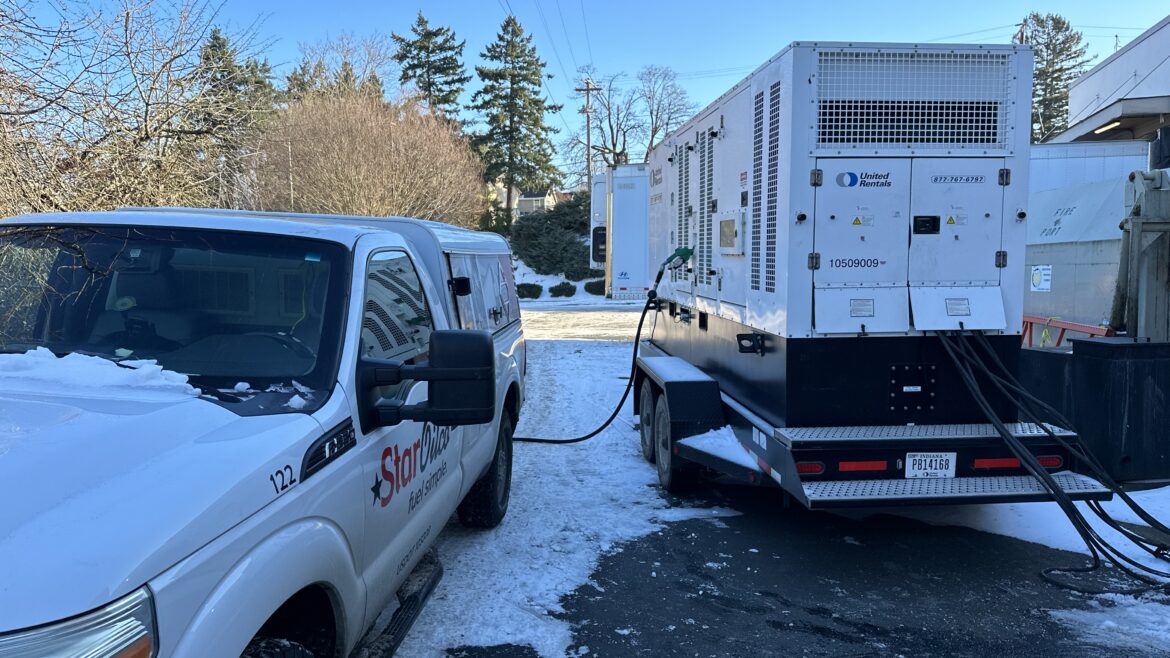
Star Oilco truck fueling a large generator during winter conditions
Diesel Backup Tanks – Treating and Refilling 1024 768 Star Oilco

Diesel Backup Tanks – Treating and Refilling

Here’s good advice if you are relying on diesel as a back up fuel in the Pacific NW.

Now is the time to refill and treat your back up fuel tanks.

Diesel as a back up fuel

Quite a bit of our business at Star Oilco is fueling back-up generators, emergency water pumps, refrigerated trailers and other long term off-road diesel storage requirements. In the Pacific Northwest, biodiesel blending is required by state laws and you need to take an extra duty of care when storing diesel as a back-up fuel.

This means that most off-road diesels and heating oils are ultra low sulfur diesel containing a small quantity of biodiesel.  That means long term storage requires a proactive approach.  You can’t just hope and wait to see what the fuel begins to look after years of storage.

Technical advice from Government Fleet Magazine to help you with storing diesel fuel.

Here is an article from Government Fleet Magazine on the subject which runs through the specifics of long term storage and what causes fuel to degrade when stored.  Government Fleet Magazine – How to Maintain Stored Diesel Fuel.

Star Oilco has also worked up a PDF check list on how to verify if your fuel is in need of freshening or is still in emergency ready shape.  If you are a customer of ours, we will deliver a laminated card version to keep next to your back up generator. If you are not a customer (or outside of our service area) drop us a message below and we will gladly email you the PDF.

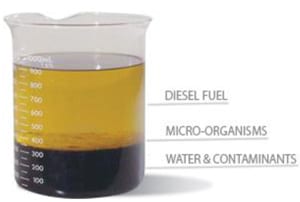
For our customers, we recommend that you check the tank bottom fuel quality on an annual basis to make sure the product looks good. If the tank has sat for years and is dark in color (good diesel is bright and transparent – you will notice if it is in bad shape), we recommend pumping the tank out at least partially and replacing with fresh fuel. Often you can also hugely improve the quality of the fuel by polishing the fuel. Polishing is when you circulate fuel from the bottom of the tank through a pump, filter repeatedly in order to remove any sediment or growth from the fuel, and then place this fuel back in the same tank.

Look at your fuel for a bright and clear color.

For stored fuel, you also want to make sure it is stabilized and contains a biocide. Stabilizers prevent the oxidation of the fuel and prevent the effect of metals like lead, copper and zinc, which can react and degrade fuel. For heating oil systems with a return line, for instance, the fuel is flowing through a copper line to the furnace and then back to the tank in a return line.

Use additives designed to prolong the life of your emergency diesel fuel.

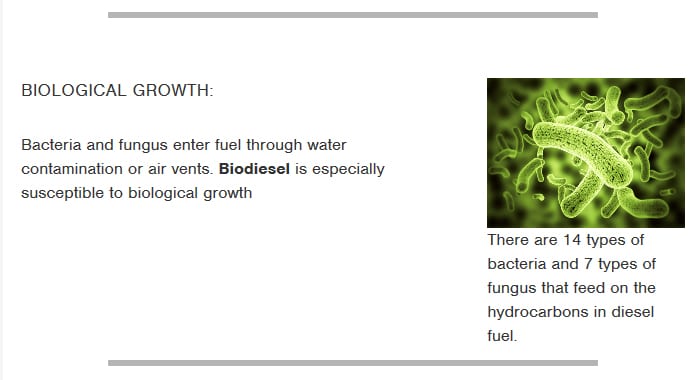
Biocides prevent the growth of biological activity in the tank. In scenarios whcontaminated_dieselere micro-organisms like algae, bacteria, yeasts, and other bugs are growing in your fuel, biocides can kill this growth. It is still important to remove the residual grit and other contaminants that are the hallmark of bugs growing in your tank. Usually you remove them by filtration or total turn over of the fuel. If your tank absolutely has to be clean, you can contract a tank professional to enter the tank and physically clean the tank bottom or reline the tank with either fiberglass or an epoxy resin.

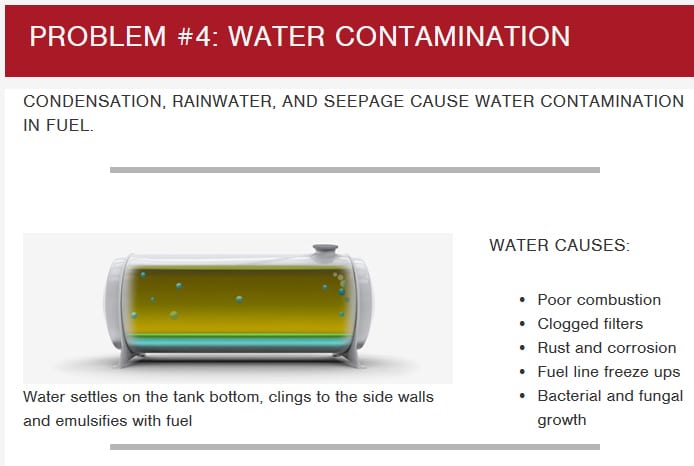
Water in diesel destroys fuel quality rapidly. Check your tank for water every fall and spring.

In events where water finds its way into your storage tank, that can also be corrected by pumping the tank bottom. Additionally, you want to put in an absorbent material designed to absorb water and not fuel. If your long term storage tank has water and you are not planning to burn 100% of the fuel in the near future, DO NOT add anything that removes water by distributing into the fuel. Adding a “fuel drier” that actually pushes the water into solution with the diesel will worsen the long term quality of your fuel, not improve it. That water is where bugs find their home to grow in fuel.

Star Oilco will test your fuel at no charge if you have an open account.

Feel free to call us with any questions you may have about long term storage of diesel. Star Oil can also deliver treated diesel ready for long term storage complete with Hydrotex PowerKleen Premium Diesel additive to improve the long term storage quality of your fuel. For biocide, we use Valvtect BioGuard fuel microbiocide to kill any possible biological activity and prevent any chance of it starting.

Diesel Testing and Storage in Portland

If you have a long term diesel storage tank and you are in the Portland, Oregon area, we are here to test your fuel.  Make sure your diesel is there for you when disaster strikes.

Tank Testing Form

  • This field is for validation purposes and should be left unchanged.


For more reading on diesel fuel quality assurance:

Fight Humbug in your Diesel Tank (using Valvtect Bioguard Plus 6 to stabalize your stored diesel)

Diesel Fuel Technical Review (an easy to read and free text book on diesel fuel)

Emergency Back Up Generator Fuel Quality (designed to provide a checklist to help Facility Managers keep those back up generators ready for emergency action)

Using Desicant Breathers to keep diesel fuel dry and clean (an introductory primer on desicant breathers and how they can be used to keep long term diesel storage drier and cleaner)

Using Diesel Filters to clean up your diesel fuel quality (an introductory primer on using aggressive filtration in line with diesel fuel dispensing for fuel quality assurance)

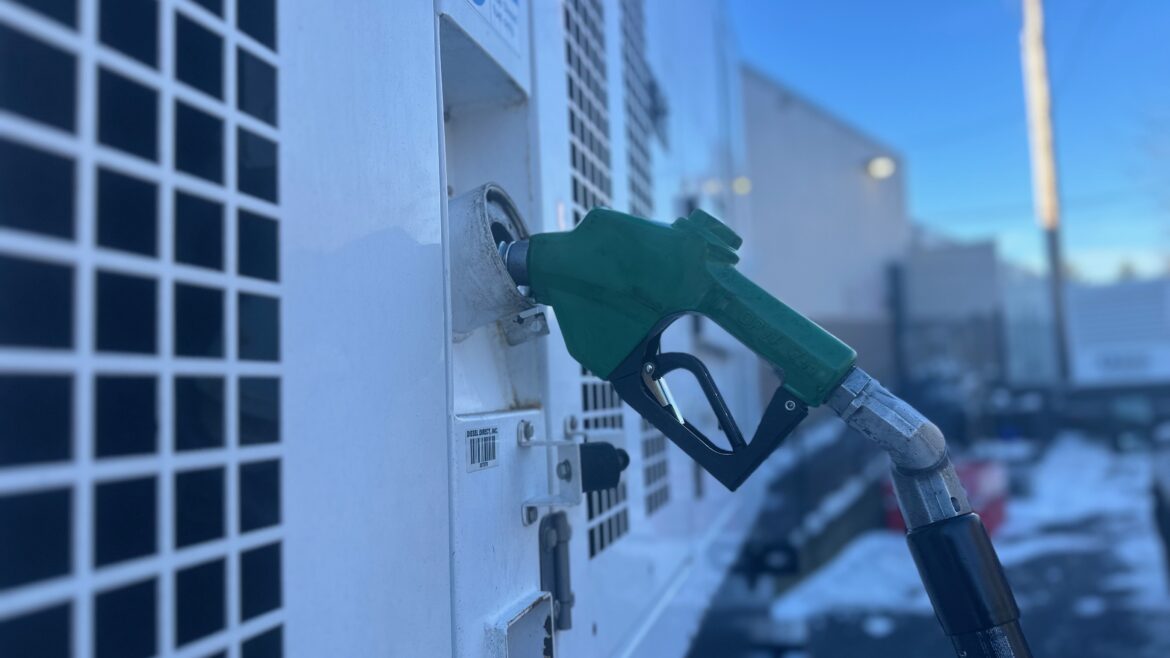
Green diesel nozzle fueling refrigerated trailer in Portland snow
Do you have questions about Renewable Diesel in Oregon? 1024 768 Star Oilco

Do you have questions about Renewable Diesel in Oregon?

Renewable Diesel delivered in Oregon

Renewable Diesel vs Petroleum Diesel Burn Test

Imagine a superior next generation renewable diesel direct to your fleet.

___________________

Star Oilco is delivering R99 Renewable Diesel to fleets now.

Renewable Diesel delivered to your fleet by mobile onsite fueling or in bulk.

Imagine a fuel that is cleaner and drier than your typical diesel fuel bought in Oregon.  Now imagine that this dry and clean characteristic means a better performing fleet.  A fuel that causes less maintenance and increased performance benefits as it relates to your modern Tier 3 Diesel Emission systems.  Fewer DPF (particulate trap) regens and other post engine maintenance issues in your fleet while more power and up time reported by the drivers behind the wheel.  Now add to that a more than half reduction in CO2 emissions and Oregon has incentives for the adoption of this fuel because it is a biofuel.  A biofuel that outperforms traditional diesel in performance, emissions, and in lifecycle analysis.

That next generation biofuel is her, Renewable Diesel!

Star Oilco can deliver Renewable Diesel to your tank in Oregon and Washington.  If you are looking at this fuel we will work hard to make it easy for you regardless of how small or large your fleet. It is immediately available for bulk customers.   If you are interested in mobile on-site refueling, wet-hosing, construction job site fueling, or a retail option for the fuel we can work with you as well to make that happen.

Renewable Diesel: A Next Generation low CO2 Diesel Fuel.

This product is available in Oregon and we are excited to make getting this fuel simple.  Star Oilco is a proud seller Renewable Diesel product. If decarbonizing your fleet is your goal  while reducing the total cost of maintenance on your fleet, Star Oilco is ready to serve your needs.

Renewable Diesel is available from several manufacturers of Renewable Diesel shipped to Oregon, Washington and California.  This product being made available given it’s lower than petroleum CO2 emissions meeting the Low Carbon Fuel standards created by California, Oregon, and expected in Washington state.

Renewable Diesel clean burning

For more on Renewable Hydrocarbons, please check out the US Department of Energy’s Alternative Fuels Data Center page on the subject. 

Call Star Oilco with any questions you may have about Renewable Diesel, Biodiesel, Ethanol or other emerging alternative fuels.  We have a track record of making alternative fuels easy for those wanting to use them. Call 503-283-1256 or email OrderDesk@Star Oilco.net and we can get you in conversation with our team about a future fuel available today.

Star Oilco Crest

Star Oilco is delivering R99 Renewable Diesel to fleets in bulk and by mobile onsite fueling.

Contact Form

  • This field is for validation purposes and should be left unchanged.

For more on Renewable Diesel please also see the following:

Renewable Diesel as a major Transportation Fuel in California

Every Question Star Oilco has been asked about Renewable Diesel

Renewable Energy Group’s Ultra Clean Diesel (Renewable Diesel fuel blends)

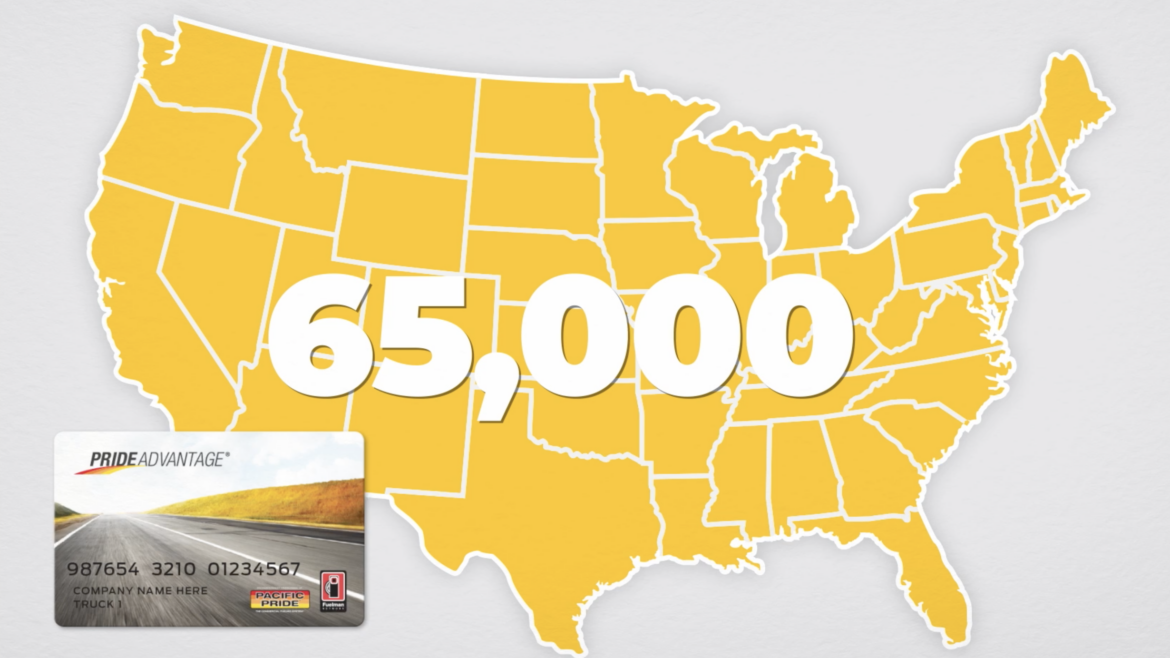
Map of the United States showing 65,000 Pacific Pride cardlock locations with fuel card in foreground
Use Pacific Pride Cardlock to Fuel your Portland, Oregon Fleet 1024 593 Star Oilco

Use Pacific Pride Cardlock to Fuel your Portland, Oregon Fleet


Seize Control of Your Fuel Spending with Pacific Pride Cardlock

A Pacific Pride Cardlock Card gives you the ultimate control over when and where fuel is purchased. Plus, we guarantee the highest level of control by offering human support to make it easy for a small business. You have enough to manage and don’t need another website to log into! Know who bought what, when, and where — in real time — to better manage the buying decisions by your drivers.

Pacific Pride, CFN, WEX, Voyager and other fleet cards all have similar tools. But with Pacific Pride Cardlock, you’ll benefit from stand alone commercial fuel sites that are available 24 hours a day, 7 days a week, 365 days a year.

In Oregon, the minimum wage is rising and that means the retail price of fuel is rising to pay for those wages.  While other cards require you to wait in line and pay someone to fuel your vehicle in Oregon, Pacific Pride stand alone cardlock locations avoid that needless labor and allow your business to serve itself around the clock. Get out of fuel lines and save on your total cost of fuel.

Beyond the time and money savings of avoiding retail fuel lines, Pacific Pride cardlock also is far more secure to protect you from someone stealing fuel with your fleet card. Star Oilco’s Pacific Pride cardlock offering has a single simple tool for you: a human being on the other side helping make sure the total program is working. We help you grab control of every drop, dollar and driver.

            We are your partner in Fleet Card and Cardlock Card success.

Star Oilco goes one step further than our competitors by keeping things simple and easy for you. This is done with the obvious human element and best practices that complete the full value that a secured fuel card offers.

Call us and have us take care of that for you. You tell us what you want, we’ll consult with you and you’ll get a working card program.

This is what we recommend for your non-management cards:

  1. Secure your fleet card to a vehicle (attached to the license plate on the bill or place the fleet card on the key ring of the vehicle).
  2. Designate your vehicle cards to only work in the state’s zip codes that you service during the times of day you operate as a business.
  3. Give each driver a unique and secret PIN attached to their name (so when they use a card, their name appears on the bill next to the transaction).
  4. Implement a “No Tolerance Fuel Theft Policy” with your Human Resource policy. Have every employee sign a contract with your business that they own their personal secret PIN and it is only for them to use. Star Oilco can provide a recommended policy for you to use. Then, if they share their PIN with someone else, they will be responsible for anything that happens. If theft is happening, it is a “No Tolerance” dismissal offense on the first occurrence.
  5. Use the e-receipts to see in real-time fuel purchases. An electronic receipt is emailed to your Controller or Dispatcher to watch for off-policy fuel usage in real time, which allows your Dispatch or Management to respond the same day to questionable decisions around fuel cards.

                  Imagine how this works for your business in practice

You can set up restrictions by days of the week, hours of the day or even by zip codes. If your business does not operate on weekends, turn off the fuel cards during the times you do not operate. If your fleet is never on the road before 7am and is back at home by 7pm every night, set up those time restrictions to make it that much harder for fuel theft to occur. If you need to update this, change something, order cards, etc., just call our office and we take care of that update for you.

With our e-receipts, your Dispatch will get an email every time fuel is purchased. You will see where, what, when and with whom this occurs. You can reinforce your company fuel policies at the local level the same day — No more waiting for the bill to see if a driver did something that cost you money. By seizing control of your fuel, your drivers will also respond to your new level of control as well. By having control and transparency of what your drivers do, they will require less management as they know you are watching.

Often the most controllable expense related with fuel is the fuel that might slip through a business due to unethical employees or outside theft. Fuel slippage is the industry term for unauthorized fuel taking. With Pacific Pride cardlock fuel, you can take control over fuel purchases and avoid the loss up front with card controls. Contact Star Oilco for a total fuel security solution for your business.

       Seize control with Star Oilco’s corporate fleet card solutions.

If you have further questions about Pacific Pride and control of your fleet fueling, call us at 503-283-1256 or contact us using the form below.


Contact Form

  • This field is for validation purposes and should be left unchanged.

Star Oilco proudly provides Pacific Pride commercial fueling and fleet card services.

Pacific Pride commercial fueling and fleet fuel card logo


Close-up of calculator and printed fuel cost audit spreadsheet
What’s in a “Keep it Simple Fuel Audit” 1024 683 Star Oilco

What’s in a “Keep it Simple Fuel Audit”

How do you compare different fuel card vendors?

You audit your fuel bill.

We will help you clarify your bill by showing what you pay, what’s in that cost of fuel, and how you can save going forward. We do this by concentrating on one fact: there are only three fees in the total cost of a gallon of gas or diesel.

The three verifiable costs in a gallon of fuel are:

  1. The commodity cost of fuel (the wholesale and verifiable fuel cost itself),

  2. The fuel taxes charged by the feds, state, and local governments on top of that, and;

  3. The margin your fuel vendor puts on top of those two very transparent costs.

Fuel bill audit best practices

Tax time is a good time to revisit your policies and systems.

Let us audit your bill and catch inconsistencies and over charges.

We have a transparent way to analyze your fuel expense that breaks it down in an easily understood format. Our approach will demystify what you’re paying in fuel so you can grab control of your gasoline and diesel bills. Our mission is to ‘Keep it Simple’ and make fuel make sense. There are several types of expenses that get added to your cost of fuel.

Pacific Pride Fuel Security

At Star Oilco, we ‘Keep it Simple’ when analyzing fuel bills.

Today, two trends can be witnessed in the Pacific Northwest: fuel prices are all over the place, and wages are rising against that trend. This makes managing for a low cost of gasoline or diesel extremely hard given the labor that might be involved in chasing that price.

Add to that the fact that retail gas stations are keeping more margins than ever in retail fuel history. With minimum wage at $15 in parts of the Pacific NW, the cost of retail gas stations is rising faster than inflation.

Stand-alone commercial cardlock locations such as Pacific Pride and CFN help you save on your own labor, as well as avoid the higher retail cost. One additional feature is you can audit a commercial cardlock fuel seller against the commercial wholesale rack price. Retail sellers promising discounts are discounting from a posted price that is based solely on what they decide a good price can be. Today, that’s a historically high margin above wholesale cost price.

Dig into your bill for an understanding of what you are paying and what you are paying for. Let us demystify the fees, charges, and hard-to-understand line items of our competitors. It seems that many of our competitors, much like cell phone companies, want to give you a bill that is as complex as possible so it’s difficult for you to understand your cost of fuel.

We can clarify your bill by showing what you pay, what’s in that cost of fuel, and how you can save going forward. Commodity cost of the fuel, fuel taxes and the margin of the vendor make up every fuel bill.

Wholesale Fuel Cost + Taxes + Margin = Total Fuel Cost

These three costs can be audited and confirmed. When we quote a prospective customer, we take their existing fuel bill and break it down into a spreadsheet that is easy to understand thanks to these definable costs. Take your existing fuel bill. Choose a few locations that are most commonly used by your fleet. Usually just the two most-used sites are enough to gauge if savings can be gained by changing vendors. Focus on the cost there, as this simplifies your focus as a representative sample of your fuel expenses.

In a spreadsheet, make easy-to-read tabs for each fuel and location. Then gather the dates fuel was bought at each location. Place the date and the price per gallon paid in their own columns. Now you know your cost. In the next column, enter the wholesale price of fuel to compare. This is going to be pretty close to what your fuel vendor was paying for it on that day give or take a few pennies.

The commodity cost of fuel is established in the market. Though different size players have discounts, these discounts are usually pennies per gallon and aren’t substantial overall. You can request a 30 day free trial of the Oil Price Information Service or “OPIS” for your local wholesale market for fuel. Government bids often use this service as a transparent bid price for fuel. NOTE: If you are buying with a Pacific Pride or CFN fleet card that uses stand-alone 24-7 commercial cardlock sites, the price will be based on OPIS as well. If you want help with this, Star Oilco can provide you with a copy of OPIS.

After that, the next column is the fuel taxes on that fuel. In another column next to the wholesale cost of fuel, you place the local taxes associated with that fueling site. Your state will usually have a “Fuel Tax Group” or some variation of that name where the state’s website will list all state and municipal taxes.

After seeing the wholesale cost and fuel taxes charged, all that remain is the margin. Many fuel sellers will try to complicate this by passing costs through, but at the end of the day, this is still their markup regardless of what they call it. This enables you to really have a discussion on what price you are charged to use their fleet card.

Our next step is to determine the typical margin you are being charged. Take the real price you paid on a day. Your next column on the spreadsheet will be the following formula:
NOTE: Margin Charged is the result that should be in your new column.

(Cell with the ACTUAL PRICE PAID) – (Cell with the WHOLESALE COST) – (Cell with FUEL TAXES) = MARGIN CHARGED

If you line up all the days for MARGIN CHARGED and average those (select a cell at the bottom of the column and type “=AVG” and select the data in the MARGIN CHARGED column), you will find the average margin. Usually this is about the same on every one of the sheets for the type of fuel you are buying. Diesel and gasoline margins are typically different. Retail gas stations, in particular, will treat diesel like a premium product so don’t be surprised if those margins are over $.40 a gallon in some places.

If you want help with this, call us!

We will empower you with the knowledge of what your vendor is charging you and determine if it is a fair price for the service. Beyond that, there should be no other costs. If your vendor has other costs (fees, invoice charges, etc.), we’ll show you what those really cost per gallon so you understand your true cost fuel.
Star Oilco makes this clear and easy to understand. Let us know if we can help.

Contact Form

  • This field is for validation purposes and should be left unchanged.


Call for service.


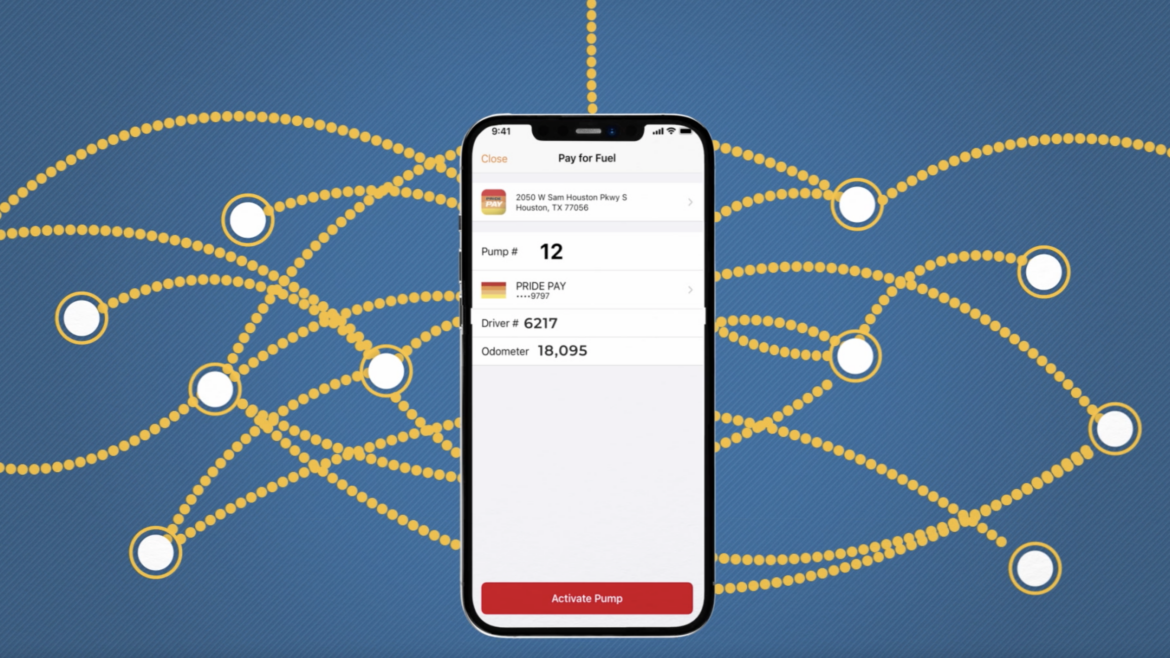
Mobile fuel card app interface showing pump activation and driver info
Save money with a commercial fuel card 1024 544 Star Oilco

Save money with a commercial fuel card

Save money with a commercial fuel card by avoiding the credit card retail price and preventing fuel theft in your business.

How do you avoid the higher credit card prices at gas stations?

Buy Your Fuel at a Commercial Cardlock

Make sure that employee fuel theft is not robbing from your bottom line.


Save money with Star Oilco using a commercial fuel card


  • Buy Diesel from Pacific Pride and CFN Commercial Cardlocks over retail gas stations.
  • Use a secure Fleet Card that ensures that employee theft is locked down.
    • Make sure your company’s Fleet Card is secured for:
      • A Fleet Card attached to the individual vehicle with a secure identifiable PIN for each employee.
      • Only the times of day you operate.
      • Only the days of the week you operate.
      • Only the fuel products your vehicle uses.
      • A limited number of transactions a day to ensure if a card gets misused the amount is extremely reduced.
      • A real time “E-Receipt” that notifies you of fuel purchases in real time to better manage employees for your fuel costs.

Wholesale pricing at a Pacific Pride commercial cardlock

 Take control of your fuel spend by buying wholesale instead of retail gasoline.

Over the last year fuel costs have jumped to record highs.   Retail gas and diesel prices in particular are high compared to wholesale market purchasing opportunities for fleets.  Retail posted prices for credit card purchases further increase the cost on your business.

Commercial gas station cards that direct your fleet to buy fuel at convenience stores cost far more than the posted price for fuel.  Many of these gas stations also price diesel fuel with the same mark up as premium gasoline. By getting your employees out of the retail fuel line save in several ways.

How do you save with Commercial Cardlock over a retail gas station?

PRODUCTIVITY – Get out of retail gas lines and self serve your fleet 24-7-365.

PURCHASE CONTROLS – Lock down your fleet cards by vehicle, fuel type, time of day, and Zip Codes to ensure a either a well meaning employee doesn’t buy the wrong product or  a stolen wayward card does not rob from your bottom line.

WHOLESALE AVERAGE BASED PRICING – Buy your diesel and gasoline from a verifiable wholesale index.  Pacific Pride Commercial Cardlock sites are all based from an auditable OPIS Average market index plus our agreed margin. Know what and why you are paying for fuel.  (NOTE: Star Oilco will gladly help you audit your current fuel purchase program)

FLEXIBLE – Star Oilco can combine our fleet card program with Mobile Onsite Fueling and our billing simplifies your fuel program management by consolidating all purchases by your license plates on one invoice. Our Mobile Onsite Fueling and Commercial Cardlock invoices are combined showing you all purchases on one invoice also available for export in a CSV file.

You will first of all pick up productivity, a lack of managerial control, as well as a system that conceals employee theft is tied to the cost of buying fuel.  Move your fleet fuel purchases to Pacific Pride’s network card and save per gallon as well by restricting the fuel purchases you would not want.

Now is the time to look at your total cost of fuel

Let us help you audit your fuel program

We will help you clarify your bill by showing what you pay, what’s in that cost of fuel, and how you can save going forward. We do this by concentrating on one fact: there are only three fees in the total cost of a gallon of gas or diesel.

How we approach buying commercial fuel with a gas card.  There are only three parts of your fuel cost.  Let us help you understand what you pay for fuel:

  1.    The commodity cost of fuel (the wholesale and verifiable fuel cost itself),

  2.    The fuel taxes charged by the feds, state, and local governments on top of that, and;

  3.    The margin your fuel vendor puts on top of those two very transparent costs.

Tax time is a good time to revisit your policies and systems.

Let us audit your bill and catch inconsistencies and over charges.

We have a transparent way to analyze your fuel expense that breaks it down in an easily understood format. Our approach will demystify what you’re paying in fuel so you can grab control of your gasoline and diesel bills. Our mission is to ‘Keep it Simple’ and make fuel make sense. There are several types of expenses that get added to your cost of fuel.

Pacific Pride Fuel Security

At Star Oilco, we ‘Keep it Simple’ when analyzing fuel bills.

Today, two trends can be witnessed in the Pacific Northwest: fuel prices are all over the place, and wages are rising against that trend. This makes managing for a low cost of gasoline or diesel extremely hard given the labor that might be involved in chasing that price.

Add to that the fact that retail gas stations are keeping more margins than ever in retail fuel history. With minimum wages approaching $15 in parts of the Pacific NW, the cost of retail gas stations is rising faster than inflation.

Stand-alone commercial cardlock locations such as Pacific Pride and CFN help you save on your own labor, as well as avoid the higher retail cost. One additional feature is you can audit a commercial cardlock fuel seller against the commercial wholesale rack price. Retail sellers promising discounts are discounting from a posted price that is based solely on what they decide a good price can be. Today, that’s a historically high margin above wholesale cost price.

Dig into your bill for an understanding of what you are paying and what you are paying for. Let us demystify the fees, charges, and hard-to-understand line items of our competitors. It seems that many of our competitors, much like cell phone companies, want to give you a bill that is as complex as possible so it’s difficult for you to understand your cost of fuel.

We can clarify your bill by showing what you pay, what’s in that cost of fuel, and how you can save going forward. Commodity cost of the fuel, fuel taxes and the margin of the vendor make up every fuel bill.

Wholesale Fuel Cost + Taxes + Margin = Total Fuel Cost

These three costs can be audited and confirmed. When we quote a prospective customer, we take their existing fuel bill and break it down into a spreadsheet that is easy to understand thanks to these definable costs. Take your existing fuel bill. Choose a few locations that are most commonly used by your fleet. Usually just the two most-used sites are enough to gauge if savings can be gained by changing vendors. Focus on the cost there, as this simplifies your focus as a representative sample of your fuel expenses.

In a spreadsheet, make easy-to-read tabs for each fuel and location. Then gather the dates fuel was bought at each location. Place the date and the price per gallon paid in their own columns. Now you know your cost. In the next column, enter the wholesale price of fuel to compare. This is going to be pretty close to what your fuel vendor was paying for it on that day give or take a few pennies.

The commodity cost of fuel is established in the market. Though different size players have discounts, these discounts are usually pennies per gallon and aren’t substantial overall. You can request a 30 day free trial of the Oil Price Information Service or “OPIS” for your local wholesale market for fuel. Government bids often use this service as a transparent bid price for fuel. NOTE: If you are buying with a Pacific Pride or CFN fleet card that uses stand-alone 24-7 commercial cardlock sites, the price will be based on OPIS as well. If you want help with this, Star Oilco can provide you with a copy of OPIS.

After that, the next column is the fuel taxes on that fuel. In another column next to the wholesale cost of fuel, you place the local taxes associated with that fueling site. Your state will usually have a “Fuel Tax Group” or some variation of that name where the state’s website will list all state and municipal taxes.

After seeing the wholesale cost and fuel taxes charged, all that remain is the margin. Many fuel sellers will try to complicate this by passing costs through, but at the end of the day, this is still their markup regardless of what they call it. This enables you to really have a discussion on what price you are charged to use their fleet card.

Our next step is to determine the typical margin you are being charged. Take the real price you paid on a day. Your next column on the spreadsheet will be the following formula:
NOTE: Margin Charged is the result that should be in your new column.

(Cell with the ACTUAL PRICE PAID) – (Cell with the WHOLESALE COST) – (Cell with FUEL TAXES) = MARGIN CHARGED

If you line up all the days for MARGIN CHARGED and average those (select a cell at the bottom of the column and type “=AVG” and select the data in the MARGIN CHARGED column), you will find the average margin. Usually this is about the same on every one of the sheets for the type of fuel you are buying. Diesel and gasoline margins are typically different. Retail gas stations, in particular, will treat diesel like a premium product so don’t be surprised if those margins are over $.40 a gallon in some places.

If you want help with this, call us!

We will empower you with the knowledge of what your vendor is charging you and determine if it is a fair price for the service. Beyond that, there should be no other costs. If your vendor has other costs (fees, invoice charges, etc.), we’ll show you what those really cost per gallon so you understand your true cost fuel.
Star Oilco makes this clear and easy to understand. Let us know if we can help.

Contact Form

  • This field is for validation purposes and should be left unchanged.


For more on what is required to self serve gasoline as a small business in Oregon.

For more on Fueling Solutions developed for small businesses dedicated to managing a fleet and drivers for local Delivery. 

Call for service.


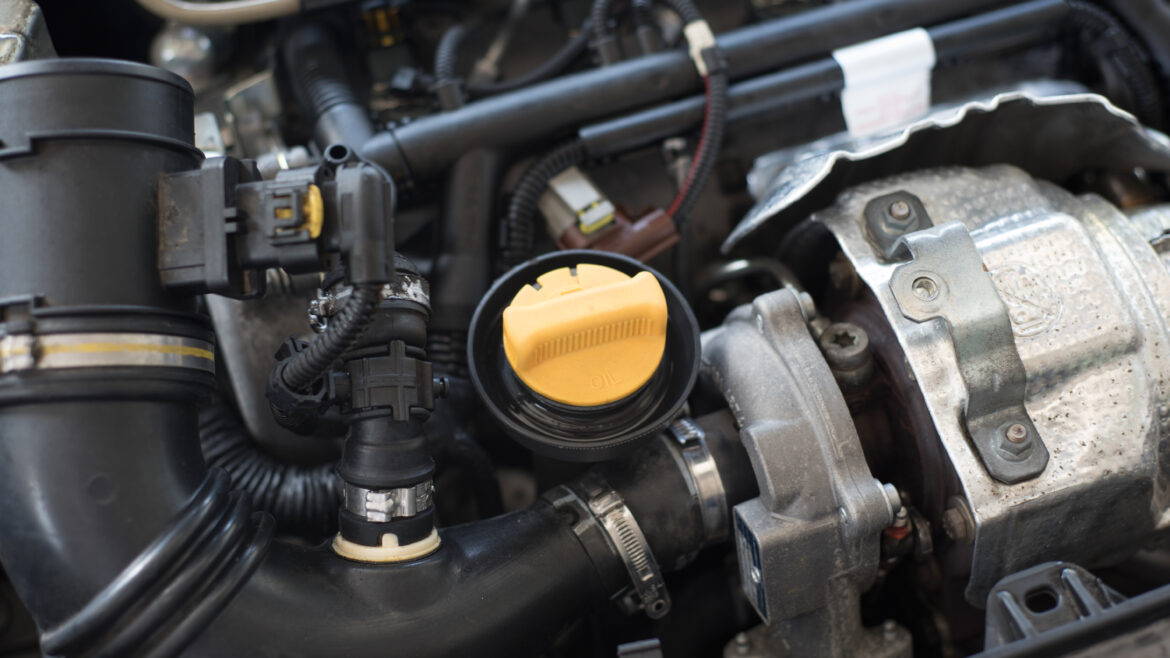
Close-up of diesel engine with visible oil cap, piping, and metal components
Bulk diesel desiccant filters, dry fuel, and keeping your diesel fuel clean. 1024 684 Star Oilco

Bulk diesel desiccant filters, dry fuel, and keeping your diesel fuel clean.

Bulk diesel fuel delivery and storage best practice.
Use Desiccant Breathers and Premium Diesel additives to improve your diesel performance and reduce maintenance cost.

Save tens of thousands on fleet maintenance costs!

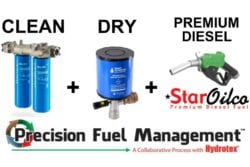
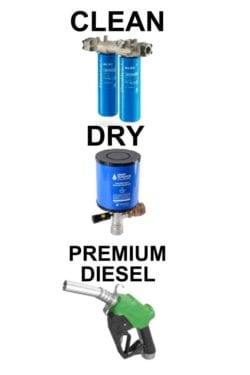
How? Clean, dry, and premium-treated diesel.

Reduce injector wear and particulate trap service needs with simple steps focused on fuel quality. Get the water and dirt out of your fuel with aggressive filtration and then upgrade the fuel’s lubricity, detergency, cetane, and performance with Hyrdrotex Power Kleen premium diesel.

Call Star Oilco if you want to permanently solve bulk diesel quality issues with our Precision Fuel Management program.

Do you have a bulk diesel storage tank?

Does that tank seem to have water in the bottom of it and you can’t seem to figure out where it’s coming from?

You call your diesel supplier and they say they know it isn’t them. If that’s your experience, Star Oilco can explain where that water is probably coming from. With the help of Hydrotex, Star Oilco can also lab test your fuel quality and prove we are in improving it as well.

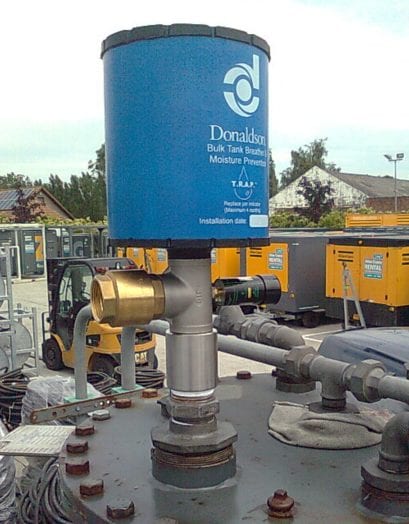
desiccant filter in field

All storage tanks are different. But for the most part, if your tank seems to take on water randomly. It’s probably from the tank breathing. Especially if you have a large above ground tank. In fact, if you tracked it on a calendar it probably happens the same time of year in conjunction with a weather pattern your tank responds to.

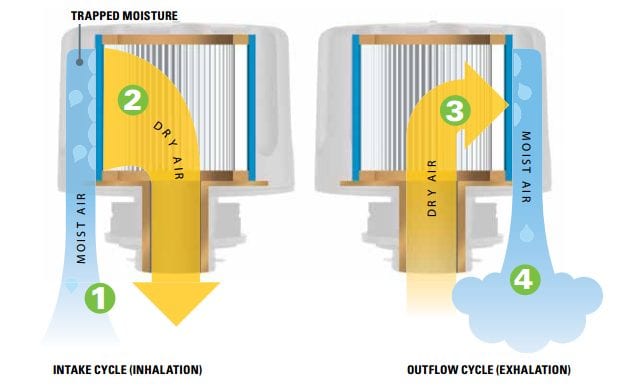
How it works is as the temperature changes the tank’s space that is not filled with fuel will breathe in and out. The temperature and air pressure move air in and out of the tank. As does dispensing fuel out of the tank and then refilling the tank. When that happens, especially if you have a significant amount of humidity in the air or misting rain, water makes it’s way into your fuel supply. As temperatures change, moisture is drawn into the tank, condenses on the inner wall of the tank, and then deposits itself on the bottom of the tank.

This water not only poses a risk to your engines, but if your fuel isn’t treated for stability and performance, that fuel is guaranteed to start growing bugs and algae that will spread throughout your fleet and will have your mechanics spinning filters and dealing with random problems due to this diesel biological growth.

This problem is also exacerbated by ineffective fuel additives trying to keep your fuel dry, clean and safe for your injectors to process, which ensures that water does not get absorbed by your diesel. A single drop of water falling out of solution in today’s high pressure fuel rails and your engine can blow an injector.

HOW DO YOU SOLVE WATER IN YOUR DIESEL TANK?

ANSWER: DESICCANT BREATHERS ON YOUR VENTS

Desiccant diagram

Star Oilco recommends Donaldson desiccant filters, given their excellent full line of products and support. More on the full Donaldson Clean Dry Fuel program here: Donaldson Clean Diesel Kits Brochure.

The Donaldson desiccant breaker mounts to the top of a tank at it’s vent point. This addition seals the point of failure for water to get into your tank. Though in some cases it doesn’t stop 100% of water from ending up in your fuel tank, it definitely guarantees you know where it won’t be coming from, the environment around your tank.

(NOTE: If dealing with underground storage tanks also be aware that if you seal the vent with a desiccant filter and you still have incident’s of water, it might be a leak in the bottom of the tank where rain water is making its way into the tank.)

By using Donaldson filters, Star Oilco also gains the benefit of support from Hydrotex PowerKleen diesel fuel lab to analyze fuel to guarantee that the before and after samples of the fuel are moving as expected and the problem is solved. Running diesel samples can cost as much as $200 each time–having a partner that backs up our solutions with ASTM and ISO measured verification is a must.

The first step in getting better performance from your diesel fuel is to test your bulk diesel storage tank.

To get a complementary ASTM diesel fuel test, contact Star Oilco for assistance.
Clean, dry, premium diesel

Tank Testing Form

  • This field is for validation purposes and should be left unchanged.
Close-up splash of diesel fuel in liquid form
Fuel Filtration-Clogged Filters-Cleaning Them Up. 1024 678 Star Oilco

Fuel Filtration-Clogged Filters-Cleaning Them Up.

Has your fleet experienced black diesel fuel or clogged fuel filters?  
Do you wonder what makes diesel go bad or cause further issues?  

contaminated_diesel

In most cases, it’s water and dirt in the fuel leading to further degradation over time. If gone unchecked it will lead to mechanical failures in your fleet.

 

Donaldson Filter has a great educational video about the high stakes importance of aggressive filtering of your diesel prior to going into your fleet. Today aggressive filtering and ongoing quality assurance of your fuel is a must. Star Oilco calls this Precision Fuel Management and we offer it to all of our bulk fuel customers.

Precision Fuel Management is the ongoing improvement of your diesel fuel quality.

This is done by adding aggressive Donaldson filtration to the dispenser on your diesel tank or filtering fuel on Star Oilco’s Mobile Onsite trucks when wet hosing our customers). For bulk storage tanks, we include a Donaldson desiccant breather to the vent on your tank to scrub moisture from the air as it is pulled into your tank, as well as Hydrotex PowerKleen Premium Diesel Additive. In addition to these best practices Star Oilco will also sample your tank bottom, as well as take a representative sample out of your diesel nozzle and lab test this fuel according to the ULSD ASTM standard D975, as well as check for the ISO cleanliness level of your fuel. We test twice a year going into Summer and Winter to confirm if there is water on the bottom of your tank as well as any worries about dirt, biological growth, or any other recurring, but preventable fuel quality problems.

NOTE: ASTM D975 is the specification for ultra low sulfur diesel in the United States. ISO Cleanliness is a standard to check for microscopic dirt that can harm the performance of your engine systems long term if it’s getting past your engine filtration. 

https://staroilco.net/bulk-fuel/biofuels/precision-fuel-management/

Diesel technology has advanced a long way in the last decade to meet the extremely high emission standards of the EPA and CARB for diesel engines. What this advanced diesel tech means is that your engine has extremely high-operating fuel pressures and extremely tight tolerances for the fuel acceptable to the long term use of your engine.

What does this mean in a nutshell?

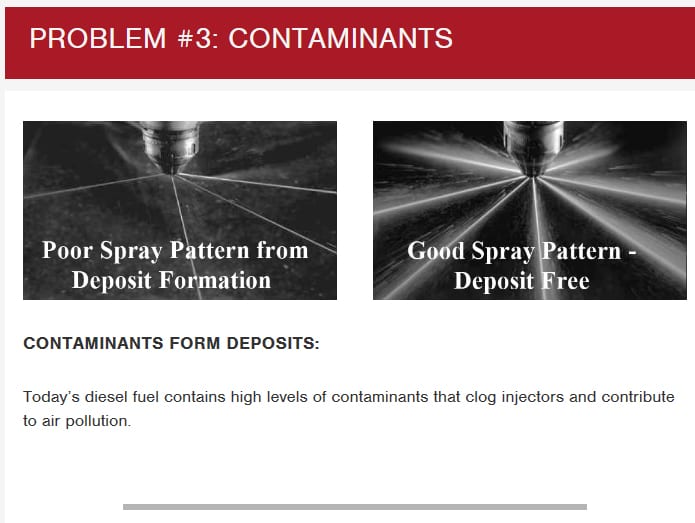
High operating fuel pressures and tight tolerances in the fuel rail mean dirt and water can destroy injectors and affect the operation of your fleet. These two contaminants (dirt and water) are the source of most other fuel-related problems and therefore your highest exposure to preventable maintenance cost. If you have experienced unexplained fuel filter spinning, failed injectors, and DPF maintenance that is more than normal, it may be fixable with Precision Fuel Management.

Precision Fuel Management is aggressive filtration at the fuel dispenser combined with PowerKleen Premium Diesel and a clean dry tank bottom that is sampled and tested regularly. If you want to look into cleaning up your bulk fuel, give Star Oil a call. Our first step is a complementary test of your fuel.

If you have an immediate concern about biological growth and long-term storage with your diesel, we recommend an alternative stopgap measure. Treat your fuel with Bioguard Plus 6 to kill the bugs growing in your diesel fuel.

Fill out the form to get a complementary diesel tank test for ASTM and ISO cleanliness of your fuel.

Tank Testing Form

  • This field is for validation purposes and should be left unchanged.

Golden diesel fuel swirling in abstract motion
Star Oilco Diesel Fuel Quality Assurance 1024 574 Star Oilco

Star Oilco Diesel Fuel Quality Assurance

                                 Star Oilco Diesel Fuel Quality Assurance


Diesel Fuel Tank Cleaner


  • Diesel Fuel Is Often A Company’s Largest Expense. Unfortunately, there is very little control over its quality.
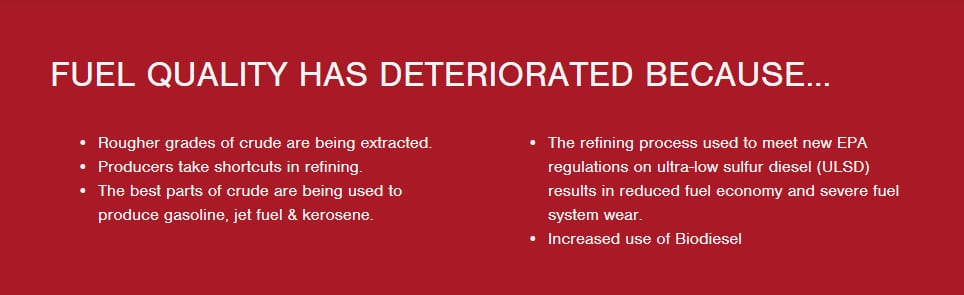
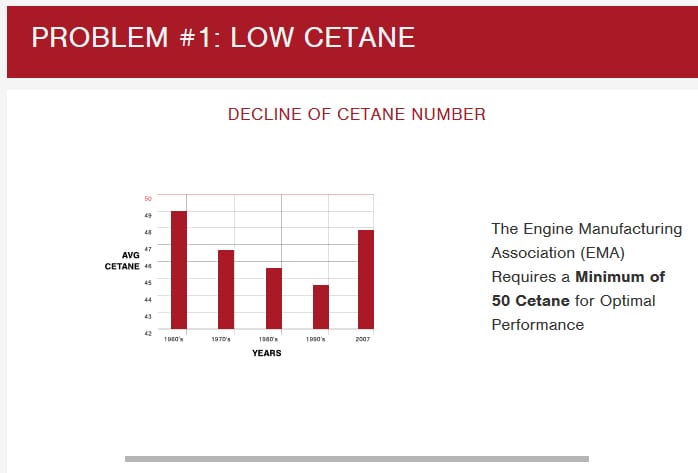
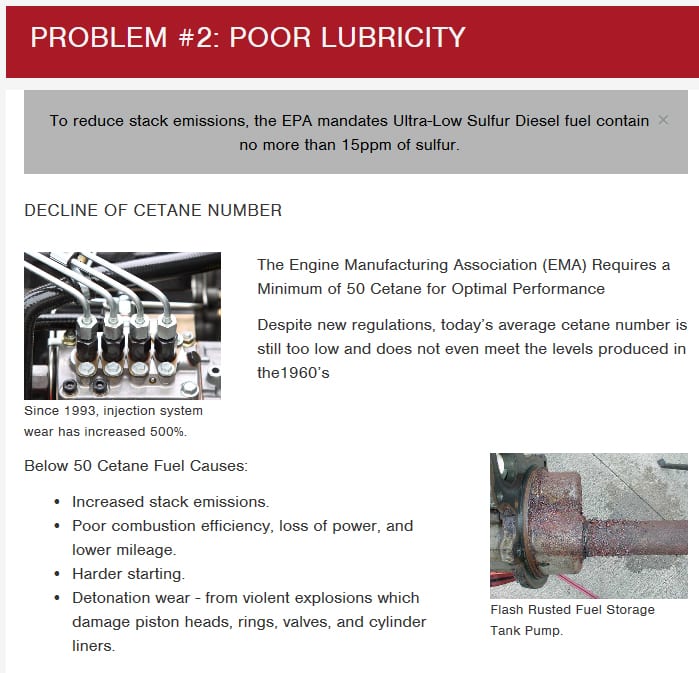
  • Fuel Quality Has Declined over the last 25 years…
  • Engine manufacturers have tightened the tolerances for fuel
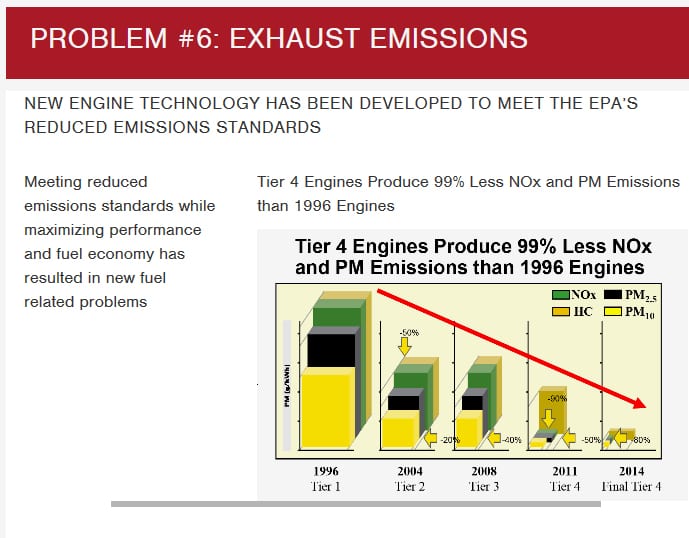
  • Newer tier 4 engines starting from 2008 need cleaner fuel


“Over the last two decades, the cetane number and the API gravity, the basic measures of crude oil quality have declined.”


—Society of Automotive Engineers, (SAE) Bulletin 872243


Cetane number is actually a measure of a fuel’s ignition delay. This is the time period between the start of injection and start of combustion (ignition) of the fuel. In a particular diesel engine, higher cetane fuels will have shorter ignition delay periods than lower cetane fuels.

What is a typical API gravity for diesel fuel? The classic book “Petroleum Refinery Engineering” by W.L. Nelson (4th ed., McGraw-Hill, 1958) gives numbers ranging from about 25 to 40 (with “Grade 1-D” around 40 and “Grade 2-D” around 35). In a Web search using the keywords “diesel” and “API gravity” I found a couple of sites with specs for #2 diesel fuel; these had minimum values of 26 and 30 API gravity. So a reasonable guess would be that typical #2 diesel fuel would have an API gravity of about 35; I’ll let you plug that into the above formula to get the specific gravity.

The densities of petroleum products are traditionally (especially in the U.S.) expressed as “API Gravity” The API Gravity is related to the specific gravity by the equation: API = (141.5/SPGR) – 131.5, where the specific gravity is the density relative to that of water and everything is measured at a temperature of 60 degrees F.

MadSci Network © 1997, Washington University Medical School

“Diesel fuel quality has deteriorated for the past 20 years and is expected to continue this trend for the foreseeable future.”

American Society for Testing and Materials, (ASTM) Pub. # 10056


COMMON PROBLEMS WITH 21st CENTURY DIESEL FUEL IN THE PACIFIC NW

Fuel Quality Deterioration

industrial-townProblem 1


Problem 2


Problem 3

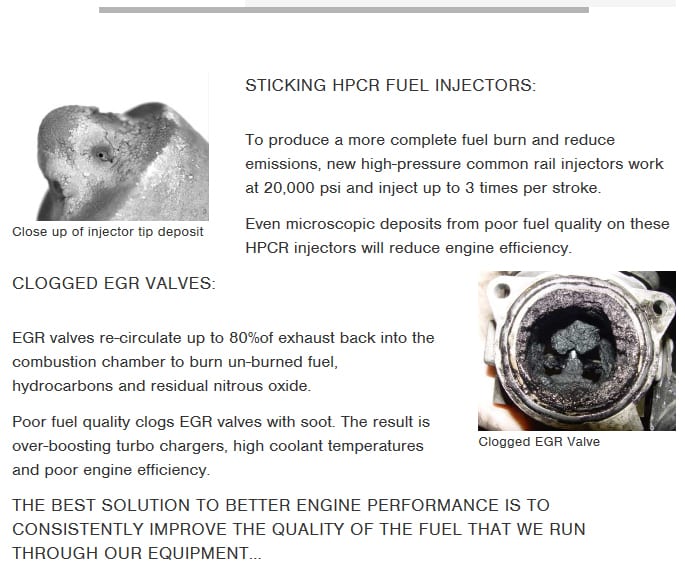
Problem 6a


Problem 4


Problem 4a


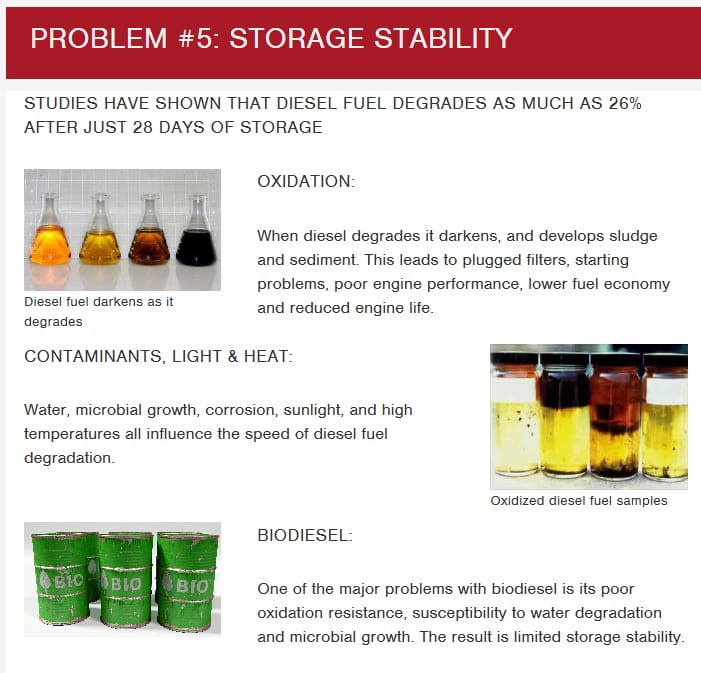
Problem 5

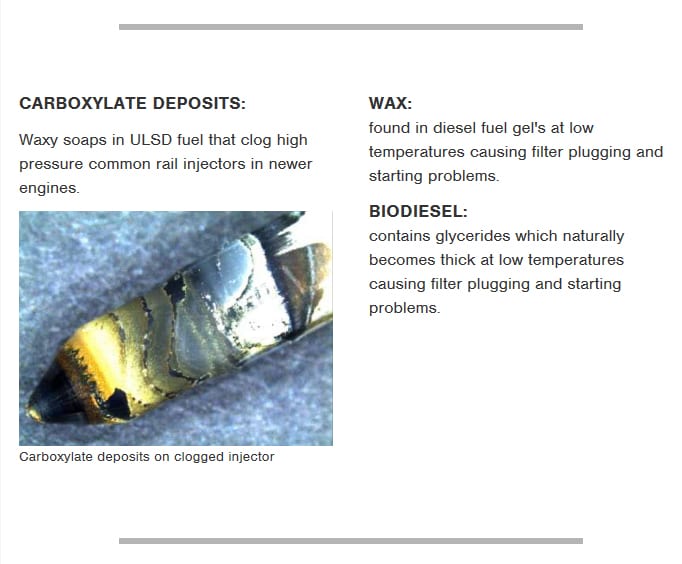
Problem 3b

Problem 6

The odds are stacked against the fleet owners

what can be done to help alleviate or control the problems?

you have questions, we have the solutions, call us to find out.

 CAll Today

If you have bulk fuel storage, the first step is testing your tank bottom and what is coming out of the nozzle.  Star Oilco can do a complementary ASTM and ISO specification analysis of your diesel fuel.  If you are seeing recurring fuel system issue, the first step is to make sure your bulk storage isn’t the problem. We can help.

Tank Testing Form

  • This field is for validation purposes and should be left unchanged.